

Who would have thought that a small Älg would travel across the wild Atlantic.
Älgbert Elgson

Imagine standing on the edge of a gurgling geyser while steam fogs up your glasses. Or hiking through a lunar landscape of black sand, framed by snow-capped peaks. Sound like an adventure? Iceland is just that and much more!
Join me on my adventure to Denmark, Iceland and the Faroe Islands.
Wake me up when we get there!
Friday, 24.July 2020
All beginnings are difficult and if something doesn’t come easily right away, it’s usually all the nicer when it finally works out. We put a lot of effort into the planning. Whether it was choosing the route and destinations or designing our small but nice micro-camper. The days and weeks before the trip were used intensively to prepare everything down to the smallest detail. This went on until late into the night the day before departure.
The bags had to be packed, provisions stowed and of course everything had to be secured well. All the work almost threatened to fizzle out when we had to turn back after less than 50 km -> the particle filter clogged and no more power… A quick check with the diagnostic device and manual control of the „burn-out process“ and our vehicle ran like it did on the first day.
Phew! We were lucky again. The trip can now begin, albeit later than planned.

Älgmobil | Opel Vectra C Caravan 
Älgmobil | Der Wohnmobilausbau wurde in drei Segmente unterteilt. Das erste Abteil beinhaltet Küche und Bad, das zweite Vorratskammer für Lebensmittel und Büro und im dritten Abteil gleich hinter den vorderen Sitzen befindet sich der Kleiderschrank, sowie die Möbel des Ess- und Wohnzimmers. – The mobile home conversion was divided into three segments. The first compartment contains the kitchen and bathroom, the second pantry and office and in the third compartment just behind the front seats there is a wardrobe and the furniture of the dining and living room. 
Älgmobil | (Fast) präzise Schnitte für ein (fast) perfektes Endergebnis – (Almost) precise cuts for an (almost) perfect end result. 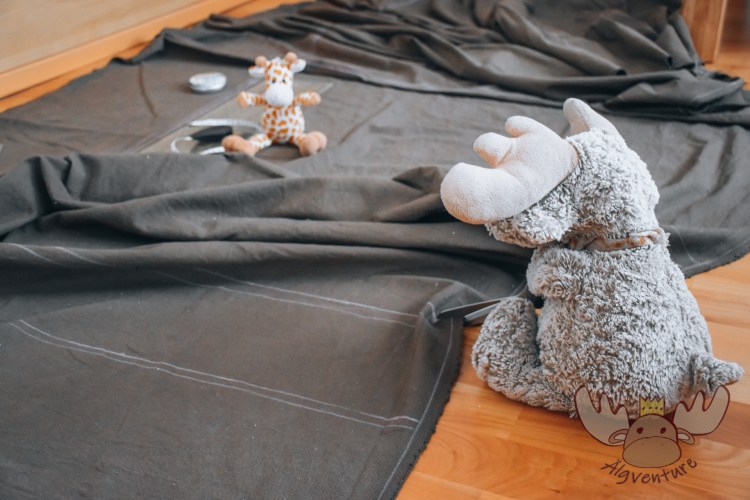
Älgmobil | Der Stoff der einmal der Überzug für die Matratze werden soll, wird ausgeschnitten. – The fabric that is to be the cover for the mattress is cut out. 
Älgmobil | Älgbert packt seinen Koffer – Älgbert packs his suitcase 
Älgmobil | Älgbert hat es sich schon im großen Bett gemütlich gemacht. – Älgbert has already made himself comfortable in the big bed.
The journey to our first stopover in Bremerhaven was less spectacular. The German Autobahn is not exactly the most varied route on our journey and we are glad to have got this section behind us as quickly as possible. After our arrival we are accordingly tired. The exertion and lack of sleep of the last few days are still with us and the relaxed holiday feeling has yet to set in. But we still have time 🙂
Fish sandwiches and sea breeze – savoring the little moments of freedom
Saturday, 25.July 2020
There is a lot to see at our stopover. We were in Bremerhaven some time ago and had to decide what we wanted to see again. We started with the German Emigration Center museum, which would actually fill a day on its own. However, as we only had one day, we had to hurry this time. We were out again in a record three hours. The museum definitely did not deserve this rush. After this rush and the fact that we had just left the museum at lunchtime, it was now time to find something nutritious and eat it.
Älgbert makes friends everywhere – admittedly, he is also very easy to notice when he poses for a souvenir photo somewhere. He caught the attention of a local Bremerhaven resident and we received a very good tip on where to buy the best fish sandwiches for miles around. Spoiler: they were extremely tasty! So we sat in a row, the Älg companions each with a fish sandwich and a drink and Älgbert with red fruit jelly in his hand, on a bench and listened to the waves of the sea. The first feeling of freedom began to spread comfortably within us, something we had not been able to feel for far too long.
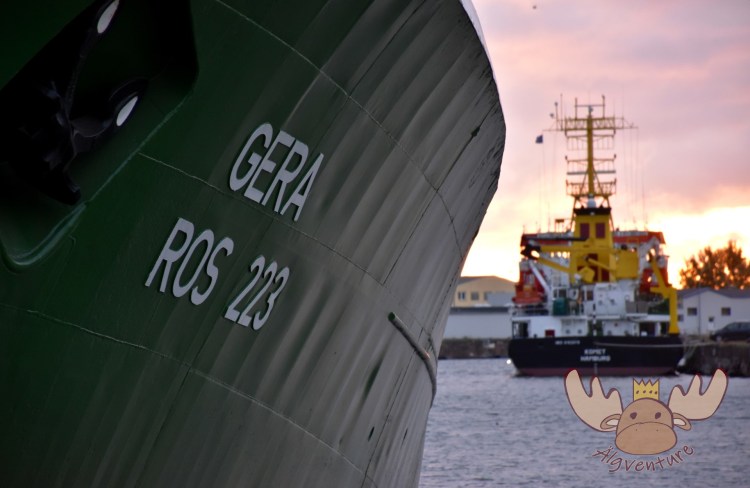
Bremerhaven | Gera 
Bremerhaven | Schiffe warten im Hafen auf ihren Einsatz – Ships wait in the harbor to be deployed 
Bremerhaven | Im Auswandererhaus wird die Geschichte der Auswanderer nach Amerika lebensnah nacherzählt. – In the “Auswandererhaus” museum, the story of the emigrants to America is retold in a true-to-life manner. 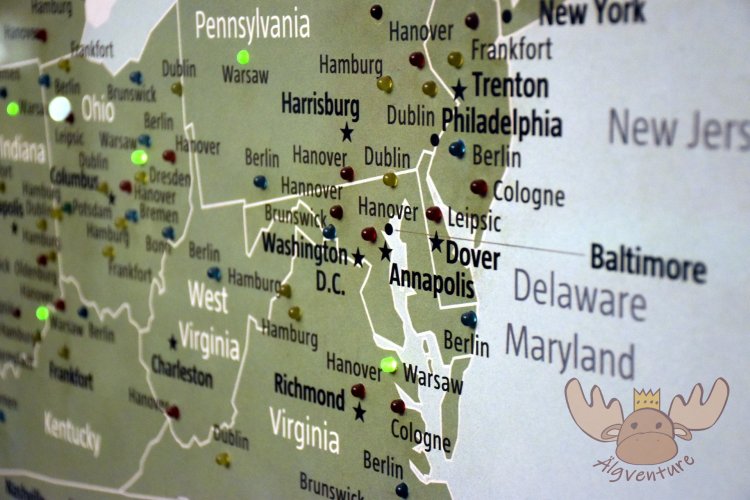
Bremerhaven | Die Auswanderer nahmen auch die Namen ihrer Städte mit nach Amerika. – The emigrants also took the names of their cities with them to America. 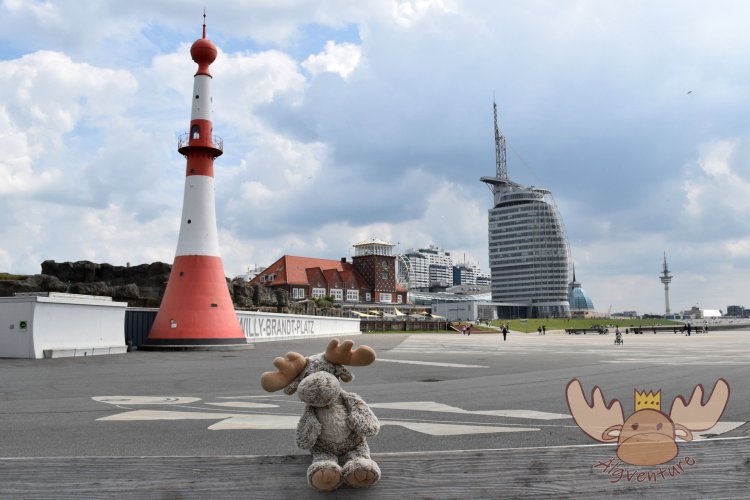
Bremerhaven | Sightseeing
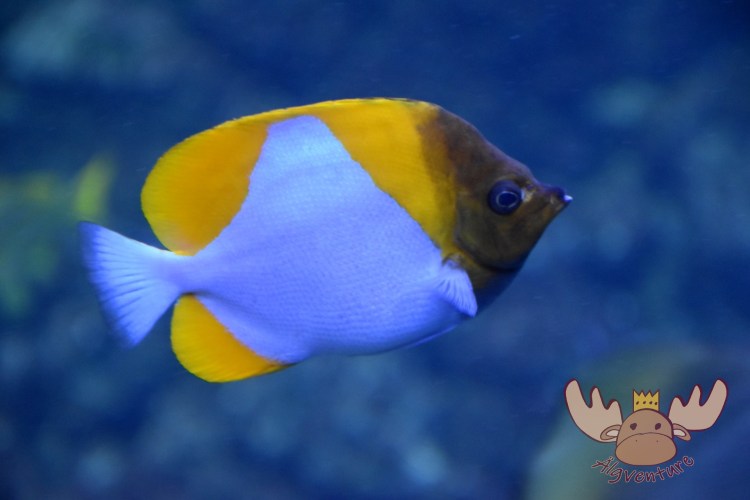
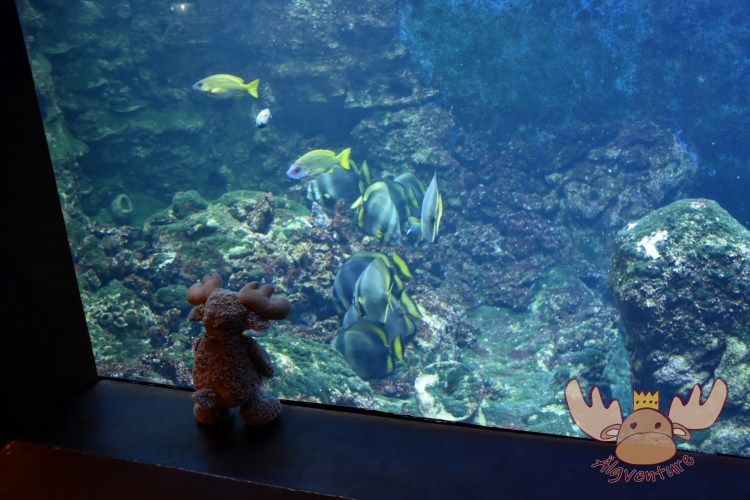
After the necessary refreshment and a short stay in the nearby shopping center – we needed flip-flops suitable for camping – we went to the Klimahaus Bremerhaven. This museum is also very informative and you could easily spend several days there, you wouldn’t have seen and tried everything. Here again, there were far too many people in far too little space. But perhaps it was also due to the onset of tiredness that this museum was also dealt with in record time – again completely undeserved… So it was under no circumstances possible to persuade the companions of the quite willing traveler to take a look inside the nearby submarine „Wilhelm Bauer“. Since the stay in the other museums was not exactly extensive either, this will probably be a topic of discussion on a future trip to the north. You can stop off here again.
The evening program, on the other hand, met with great enthusiasm from everyone involved. Since we had been to Bremerhaven many years ago and found a wonderful restaurant there, it was immediately clear where we would have our evening meal: Fiedler’s fish restaurant in the fishing harbor, which is right next to our hotel – what a coincidence! And so the second day of our trip came to an end with full stomachs. We are excited to see what awaits us on the third day.

Denmark – The gateway to the (Scandinavian) world
Sunday, 26.July 2020
Today was the day. We arrived in Denmark, the gateway to the (Scandinavian) world. But it wasn’t 100% safe and we don’t even mean our initial difficulties… Denmark had restrictive entry regulations at the time of the trip. A swab with a cotton swab and our dream could have been shattered. However, we were not invited to a random check and were able to enter the country unhindered. We were overjoyed to have reached this stage so easily. So the tension was in vain.
The journey felt like we were coming home. The signposts had many well-known place names and good memories of past trips came flooding back. Ribe – Do you still remember the VikingeCenter? And the great place by the sea that we found? Vejle – We wanted to buy the royal porcelain there! Aarhus – Den Gamle By was really worth seeing, we should definitely go back there again. The list could go on and on…

Hirtshals | Die dänische Hafenstadt ist der Ausgangspunkt vieler Island-Reisender. – The Danish port city is the starting point for many travelers to Iceland. 
Hirtshals | Unser Micro-Camper ist unter den vielen großen Wohnmobilen fast unsichtbar. – Our micro camper is almost invisible among the many large motorhomes. 
Hirtshals | Älgbert setzt sich vor dem Leuchtturm in Szene. – Älgbert poses in front of the lighthouse.
So we have now arrived and the test operation of our micro-camper can begin. After we moved into our parking space in the middle of huge mobile homes, the odd glance with raised eyebrows thrown in our direction and some of our short-term neighbors frowned as they drove past us, we wanted to explore the area. After almost seven hours sitting in the car, we urgently needed to stretch our legs.
Fortunately, there is a lot to see in Hirtshals. So we immediately plunged into the dune landscape to explore the remaining German bunkers from the Second World War. But it wasn’t just bunkers that caught our eye. The attentive observer will find strange little concrete cubes everywhere in the small town. These were set up for Hirtshals‘ 100th anniversary – residents were allowed to choose the locations. So if you have some time to spare before a ferry crossing, you can go and look for the hundred little cubes and get to know Hirtshals better.

Hirtshals | Einer der im ganzen Ortsgebiet verstreuten Betonwürfel zu Ehren des Stadtjubiläums. – One of the concrete cubes scattered throughout the local area in honor of the city’s anniversary. 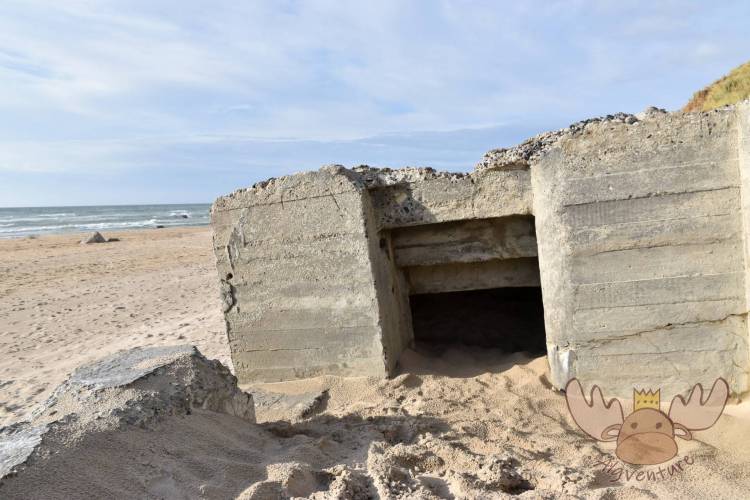
Hirtshals | Ein Beispiel deutscher Überbleibsel jüngster Geschichte – An example of German remnants of recent history 
Hirtshals | Älgbert genießt den Blick auf das Meer – Älgbert enjoys the view of the sea 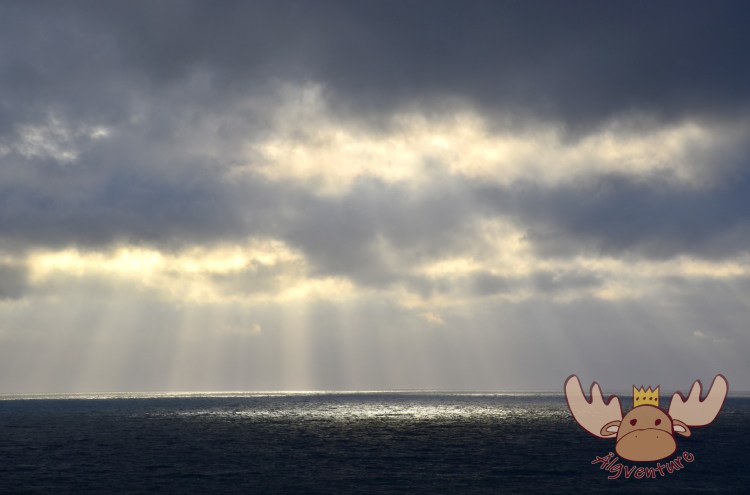
Hirtshals | Lichtspiele über dem Meer – Rays of sunshine over the sea 
Hirtshals | Die Küche unseres Micro-Campers im ersten Probebetrieb – The kitchen of our micro camper in its first test operation
Grenen
Monday, 27.July 2020
Today was a good day. Not only did the sun shine all day, even though rain was forecast, but the place we visited today also left many good impressions.
Grenen is one of the most beautiful places in Denmark for us – also because this is where the female part of the Älg travel companion was completely convinced of the north. It is the northern point of Denmark where two seas meet – the North Sea and the Baltic Sea. The dividing line between these two seas is easy to see with your own eyes, because the water has different colors.
Unfortunately, today we were once again witnesses to the excessive human intelligence… Common sense should make it clear to everyone that you shouldn’t get too close to wild animals – in this case seals – and that you should leave them alone. But not the crowd of tourists who let themselves be driven from their cars to the very top with the help of a tractor with a passenger trailer to take a souvenir selfie of themselves. Of course, these „people“ can’t think of anything better than getting as close as possible to the little baby seal in order to be able to zoom in as far as its nostrils… well, let’s not go at that.

Grenen | Viele Touristen lassen sich mit dem Traktor bis ganz zur Spitze bringen, obwohl es nur einige wenige hundert Meter Fußmarsch vom Parkplatz sind. – Many tourists take a tractor to the tip, even though it is only a few hundred meters walk from the parking lot. 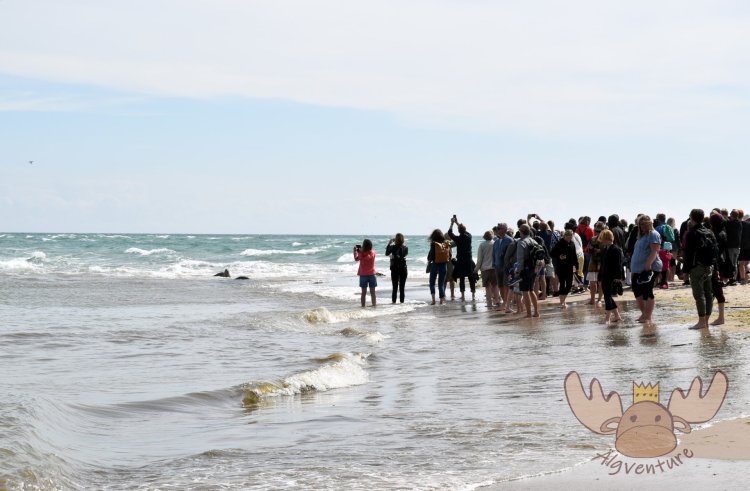
Grenen | Negativbeispiele von Touristen – Negative examples of tourists 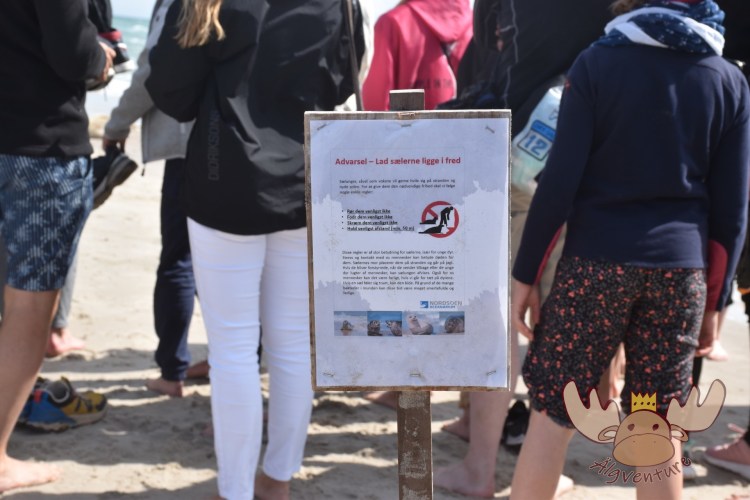
Grenen | Negativbeispiele von Touristen – Negative examples of tourists
We first looked for a quiet spot in the dunes to have a leisurely breakfast and listen to the seagulls singing. This has almost become a tradition, because every time we are in the area, we grab something to eat and drink and forget the moment in this little piece of heaven.
Like Grenen, the small town of Skagen is also part of the program every year. This time, however, we were very surprised at how much Skagen has changed in a short time. For the better, as well as the worse. A lot has happened in the harbor area in particular. Abandoned and partly dilapidated warehouses have been torn down and replaced with promenades. Unfortunately, this is also noticeable in the number of visitors.
The center was lively without being overcrowded.
To compensate, we wanted to experience something new. Something that we have planned several times, but have never found the time for until now. Off we went to Råbjerg Mile!
We knew what it was, of course, but we were more than pleasantly surprised by the extent of it. In our imagination we imagined a slightly larger sand dune, but we never thought we would find ourselves in the Danish version of the Sahara. For a brief moment we couldn’t tell the difference.
With both shoes full of sand, we ended the day with a cozy bottle of cider at sunset.
After reading these lines, you might think that we were disappointed with our favorite place in Denmark. That is not the case at all. Unfortunately, we are just increasingly disappointed with the other travelers. Many of them are not enjoying the moment, but are more concerned with taking the best picture for Instagram and paying no attention to their surroundings. That is not really what travelers want! More what tourists want. And who wants to be called a tourist 😉
“The traveler sees what he sees; the tourist sees what he visits.”
G.K. Chesterton
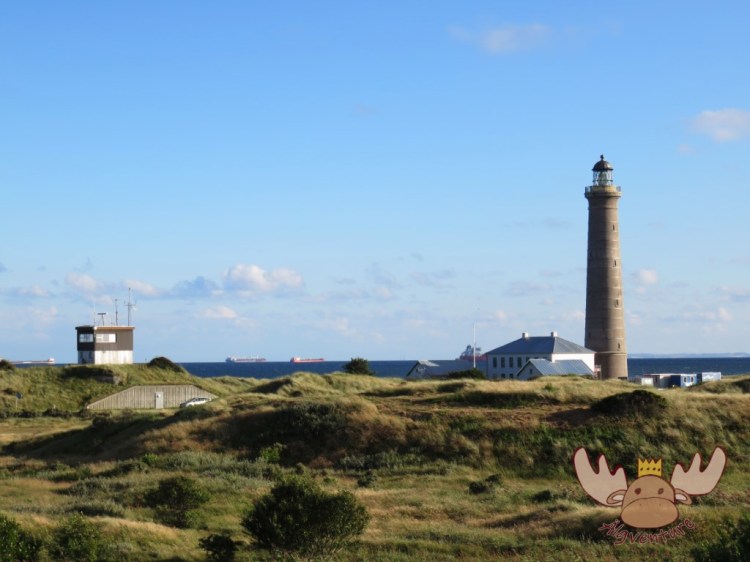

Grenen | Älgbert nimmt ein Sonnenbad in den Dünen – Älgbert sunbathes in the dunes 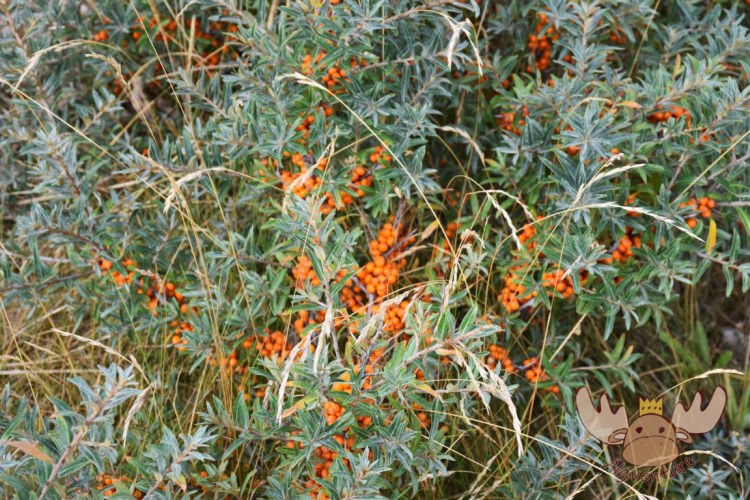

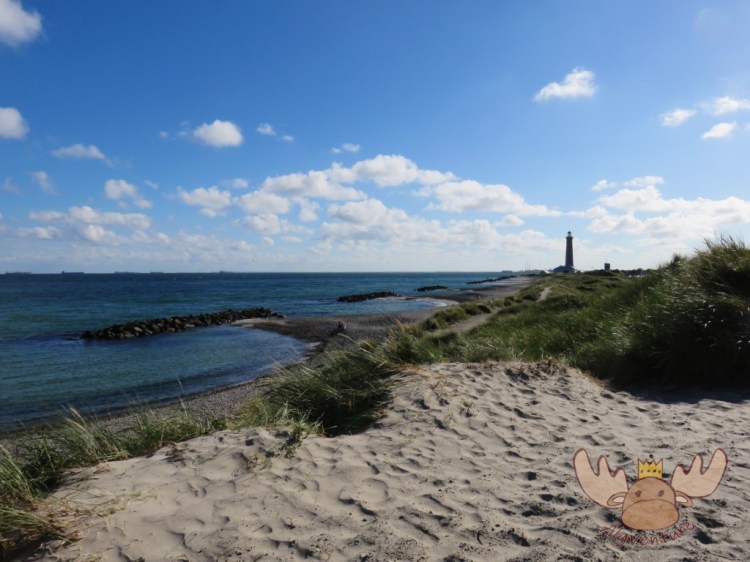
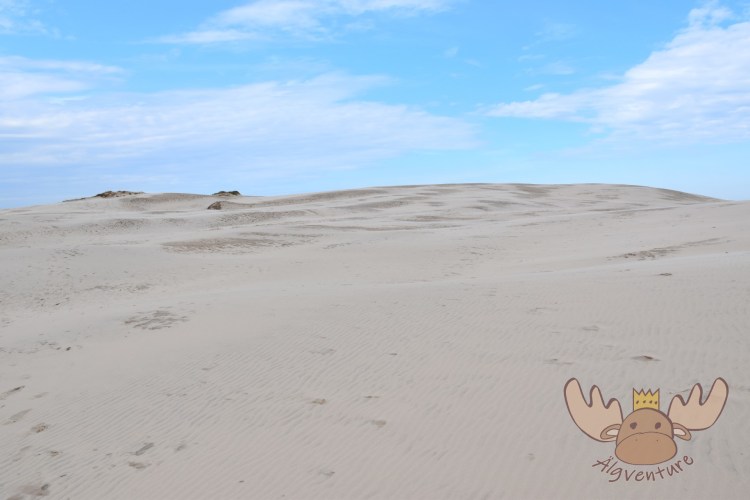
Råbjerg Mile | Die Weite der Dünen vermitteln einem das Gefühl als ob man sich in einer Wüste befinden würde. – The vastness of the dunes gives you the feeling of being in a desert. 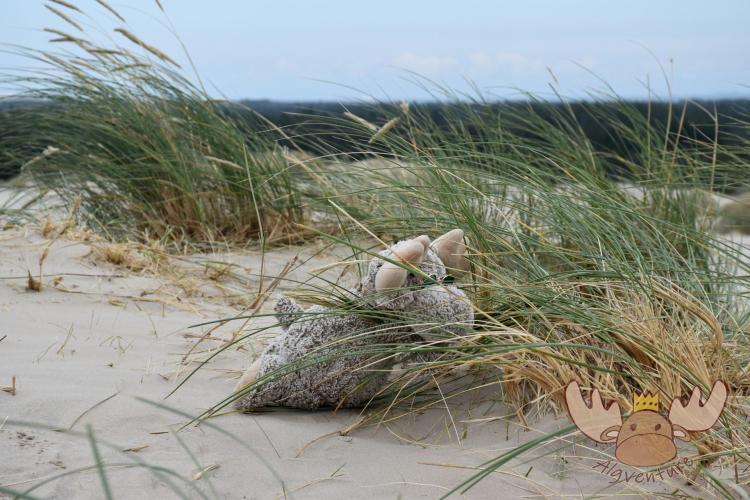
Råbjerg Mile | Durch die Nähe zum Meer kann es jedoch auch manchmal sehr windig werden. – However, due to the proximity to the sea, it can sometimes be very windy. 
Grenen | Am Abend ließ sich Älgbert noch einen kleinen Schluck Vanille-Likör schmecken. – In the evening Älgbert enjoyed a small sip of vanilla liqueur.
The crossing – a rollercoaster of emotions
Tuesday, 28.July 2020
Now the time had come. Once we entered the belly of the Norröna, there was definitely no turning back – we are going to Iceland!
Embarkation went smoothly. Some of the steering wheel acrobats took a little longer to reach their assigned place, but this is to be excused due to the unusual situation. It is always fascinating to see how this ballet of cars finds its rhythm in such a short time and is successfully completed.
The Norröna offers all kinds of amenities. Several restaurants and bars invite you to linger, several whirlpools to relax in and the open-air deck for sunbathing. If it weren’t for the weather… We had unpleasant waves right after setting off in Hirtshals.
The SLR camera of Älgbert also broke. Unfortunately, the camera couldn’t hold on to anything and fell to the ground. We hope to be able to solve these technical problems somehow. Otherwise we will probably have to expect a loss of quality in the photos…
The waves bothered us too. As members of the mountain people of Homo Sapiens Austriensis, we are not used to such high and such rough waves. The Atlantic knocked us down and the sea didn’t seem to care much about how we were feeling. We thought about a few things again. We wavered. Was our decision right? Is it even possible for a member of a mountain people society to travel across the sea? Would it be technically possible to build a bridge to Iceland? Questions upon questions…
With pharmaceutical support we were able to continue the journey. On the other hand, we would have had no other choice anyway, because in the middle of the Atlantic it is difficult to just get out, no matter how much you would like to.
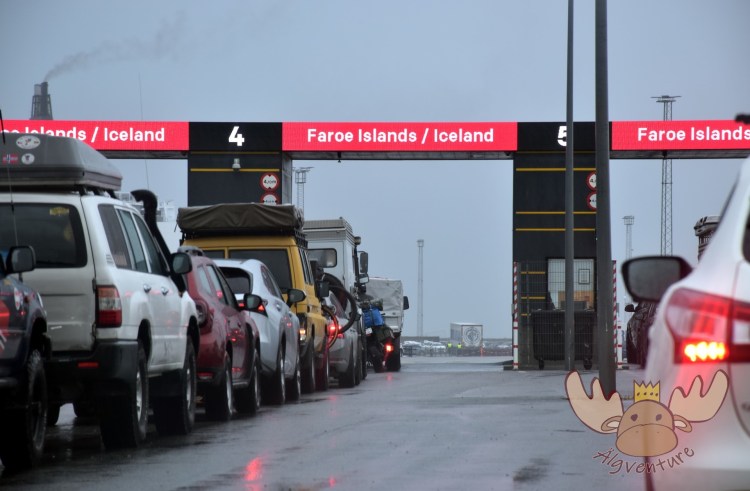
Norröna | Aufgereiht warten die Reisenden mit ihren Fahrzeugen auf Einlass in den Bauch des Schiffes. – The travelers and their vehicles are lined up and waiting to be admitted into the belly of the ship. 
Norröna | Die Tore öffnen sich. – The doors are opening. 
Norröna | Hier konnte Älgbert noch in die Kamera lachen. – At this point Älgbert was still able to smile for the camera. 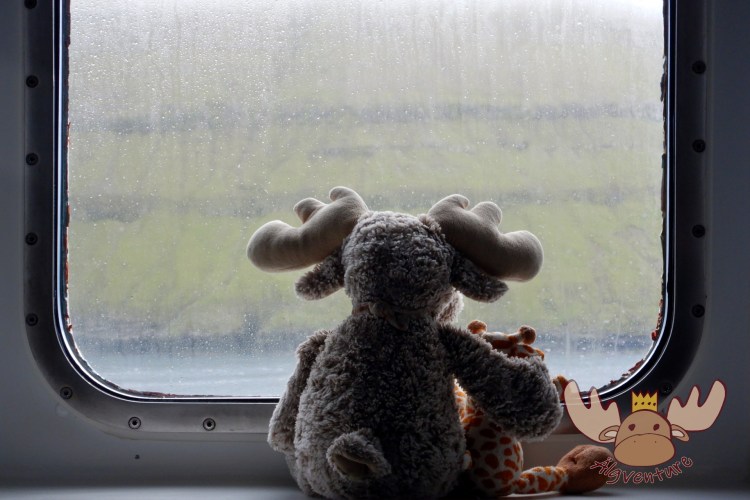
Norrönna | Die Färöer Inseln kommen in Sicht. – The Faroe Islands come into view 
Norrönna | Die Färöer Inseln kommen in Sicht. – The Faroe Islands come into view 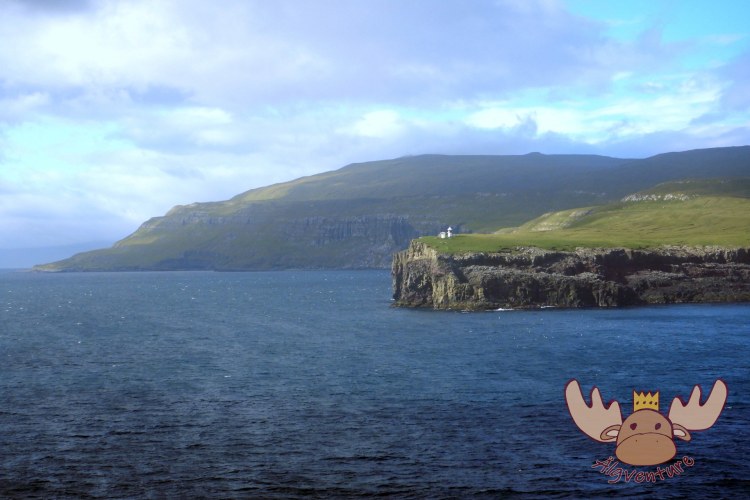
Norrönna | Die Färöer Inseln kommen in Sicht. – The Faroe Islands come into view 
Norönna | Blick auf Tórshavn – View of Tórshavn 
Norönna | Blick auf Tórshavn – View of Tórshavn 
Norönna | Stärkung mit Tee hilft in allen Lebenslagen. – Tea helps in all situations.
The short stopover in Tórshavn lifted our spirits. Not only because the ship was quietly in the harbor for a short time, but also because it gave us our first glimpse of the Faroe Islands. These small islands reminded us again why we were putting ourselves through this ordeal.
The onward journey was surprisingly calm. It was as if the Atlantic wanted to reconcile with us. Excited about the next day, we fell asleep and dreamed of the magical landscape of Iceland.
The brass ballet starts moving again when we arrive in Seyðisfjörður. With skillful hand signals, we are guided out of the belly of the Norröna and can enter Iceland without any problems. Our adventure can begin! 😀
When bad luck catches up with you…
Thursday, 30.July 2020
After our successful arrival and rearranging our luggage, we started exploring Iceland. The route from Seyðisfjörður into the interior of the country took us past the first waterfalls, over winding roads up a mountain pass and then back down to Egilsstaðir with beautifully curved curves. One motif followed the next and each was more beautiful than the last. And so we continued until we reached our actual first destination: Hengifoss.

Seyðisfjörður 
Seyðisfjörður 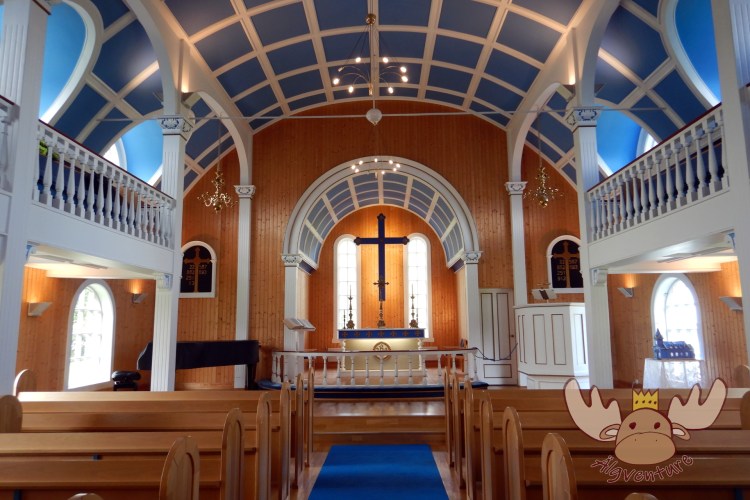
Seyðisfjarðarkirkja | Blaue Kirche in Seyðisfjörður – Blue church in Seyðisfjörður 
Älgmobil | Nach Fertigstellung ging es auch schon auf große Reise. Das erste Abenteuer, dass wir mit unserem Micro-Camper in Angriff genommen haben, führte uns nach Island. – After completion, it was ready for a long journey. The first adventure that we tackled with our micro camper took us to Iceland.
The weather couldn’t be better, so we decided to hike to one of the countless waterfalls as our first activity in Iceland. The almost three kilometers up made us sweat quite a bit, because our fitness had suffered due to the lack of athletic performance during the year. The sight of the rock formations motivated us to keep climbing up so that we could finally marvel at one of the highest waterfalls in Iceland.
The descent was much easier than the way up. It could also be due to gravity.


When we arrived at the car park, the next setback was revealed. When bad luck catches up with you…
First the debacle with the camera and now this…
A Swiss steering wheel acrobat tried to use cold forming technology on our motorhome with Swiss precision. Unfortunately, it was successful… The tailgate was bent and the rear window shattered into a thousand pieces – camping is out of the question. Otherwise our Älg will catch a cold if his toes are exposed to the weather. After exchanging the insurance details, it was time to solve the problem. At least a new rear window is needed, otherwise the rest of the trip will be a bit uncomfortable.
So we picked up the phone and called the workshops. The very friendly staff tried to find the replacement part, but nothing was possible under two weeks delivery time. Well, that’s Iceland.
The intended campsite near Höfn was therefore exchanged for a guesthouse near the glacier foothills of Vatnajökull and the lost rear window was covered with a plastic bag.
Let’s see what the next few days bring. Aren’t there a few volcanoes in Iceland?

Island | Mit kaputter Heckscheibe musste die Reise fortgesetzt werden. – The journey had to be continued with a broken rear window. 
Island | Beeindruckende isländische Landschaft direkt neben der Straße – Impressive Icelandic landscape right next to the road Island | Beeindruckende isländische Landschaft direkt neben der Straße – Impressive Icelandic landscape right next to the road
The only way out is to move forward.
Friday, 31.July 2020
After meeting the Swiss man’s Toyota Hilux, the plan we had actually drawn up pretty much evaporated. The first thing we tackled today was our problem with the airy rear. The suddenly gaping hole was provisionally covered with a garbage bag yesterday, but this solution was not really satisfactory. We needed something better, or at least a solution that would allow the tailgate to be opened again. So we went back to Höfn from our emergency accommodation to look for a workshop or at least suitable equipment.
A solution with the help of a workshop was unfortunately not possible. The nice workshop employees made it clear to us that they would also just cover the broken window with a plastic bag. So plan B – we look for a hardware store. There is something like that even in the small town of Höfn, but the selection is somewhat limited. There was definitely no adhesive tape… But at least we now know what an Icelandic hardware store looks like from the inside.
The local gas station was better equipped – we could have thought of that ourselves. So we bought up the entire stock of adhesive tape in Höfn and left the small coastal town with four rolls that would form our rear window from now on. At first, however, we only patched it up, because we are actually in Iceland for something completely different.
Unfortunately, the weather thwarted our plans. It rained incessantly and the wind blew like a hurricane. Our rear window replacement had trouble staying in place. In such weather, a hike to a glacier tongue, a glacier lake or even to a nearby Viking village is not really fun.
So we decided to continue the journey and hoped that the weather would improve along the way. How wrong we were with this assumption. Instead of getting better, the situation got worse and worse… When we arrived at Jökulsárlón (a really beautiful lake at the foot of a glacier), the meteorological situation was so bad that after leaving the vehicle, our Älg and his companion were almost blown away by the wind. As a result, the visit that was actually planned as the main point in this area was very, very short. We therefore decided not to visit the nearby Breiðamerkursandur (also called Diamond Beach because small, crystal-clear icebergs that look like diamonds wash up on the beach). This was definitely not an easy decision for us, as the landscape would have been very beautiful. Although THE landscape is not really the right expression here. It seemed more like there were a thousand landscapes that seemed to be completely different around every bend. Barren black desert landscapes alternated with lush green hills, only to change into a landscape of large glacier tongues winding through rubble after the next bend. Unfortunately, we had to leave a beautiful part of Iceland behind us unexplored.
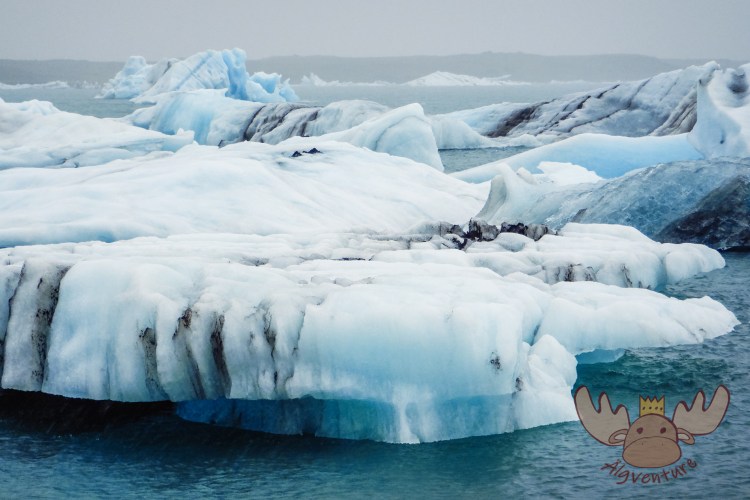
Jökulsárlón – Die schwarzen Linien im Eis sind eingeschlossene Ascheschichten von vergangenen Vulkanausbrüchen | The black lines in the ice are trapped layers of ash from past volcanic eruptions 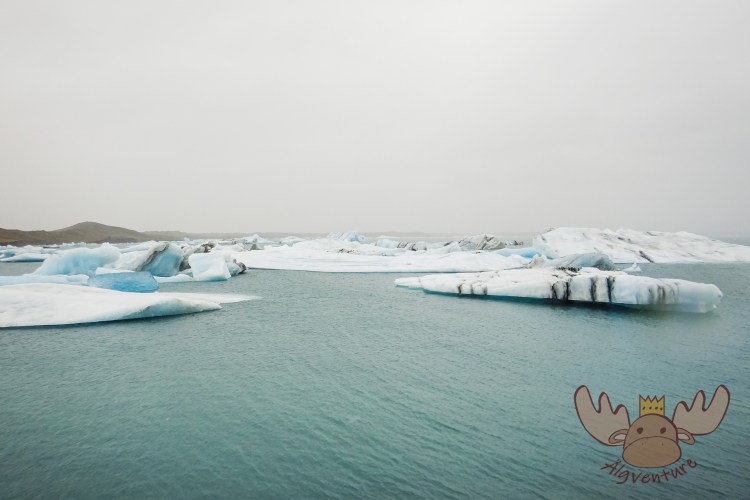
Jökulsárlón – Die Eisschollen treiben eine Zeit lang in einem See an der Küste bevor sie auf das offene Meer gespült werden. | The ice floes float in a coastal lake for a while before being washed out to sea. 
Jökulsárlón – Das schön blau schimmernde Eis ist mehrere Tausend Jahre alt. | The beautifully blue shimmering ice is several thousand years old. 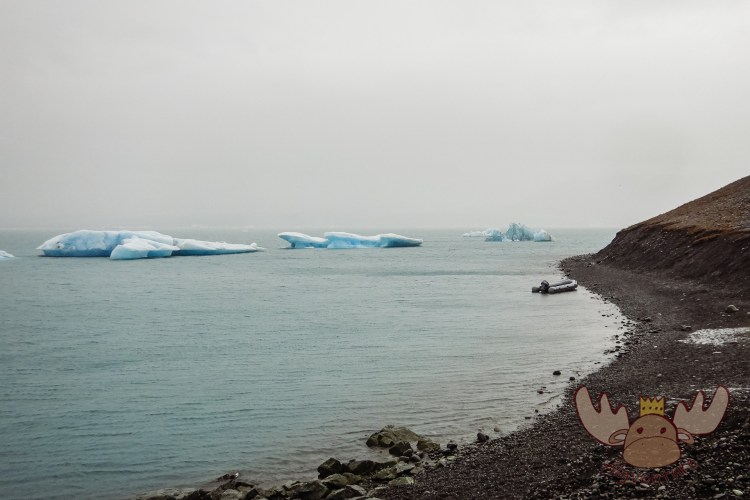
Jökulsárlón – Das Eis des Gletschers treibt auf das Meer hinaus | The glacier ice drifts out to sea
We still wanted to make the best use of the rest of the day. So we headed to Vík í Mýrdal! First of all, we had to adapt our equipment to the prevailing climate – so we first got suitable trousers for use in the rain. We also managed to get hold of a box on this occasion – more on that later.
After today, at the latest, it became clear to us that Icelandic weather mainly means wind and rain and that we were probably a little under-equipped with our jackets designed for Central Europe. Camping was still not an option and so our already planned stay in accommodation in Vík í Mýrdal was simply extended by a day. The stormy evening hours were now used to improve the now completely damaged makeshift arrangement. The wind and the horizontal rain did not make things any easier. But even under these adverse conditions, we managed to get the window sealed again. Now we even had the function of opening the tailgate again. The previously flapping foil of the garbage bag was reinforced with the box we had previously grabbed. With this upgrade we hope for a quieter ride and restful nights in windy conditions. Our limbs were completely cold when we had finished this work. The shower afterwards was more than soothing and the instant soup from Korea warmed our bodies so that we can now fall asleep contentedly and look forward to the next day.
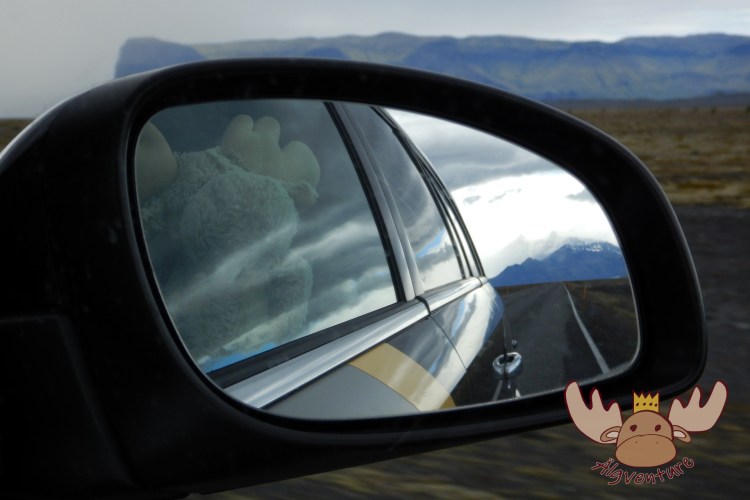
Island | Beeindruckende isländische Landschaft direkt neben der Straße – Impressive Icelandic landscape right next to the road 
Island | Beeindruckende isländische Landschaft direkt neben der Straße – Impressive Icelandic landscape right next to the road 
Island | Beeindruckende isländische Landschaft direkt neben der Straße – Impressive Icelandic landscape right next to the road 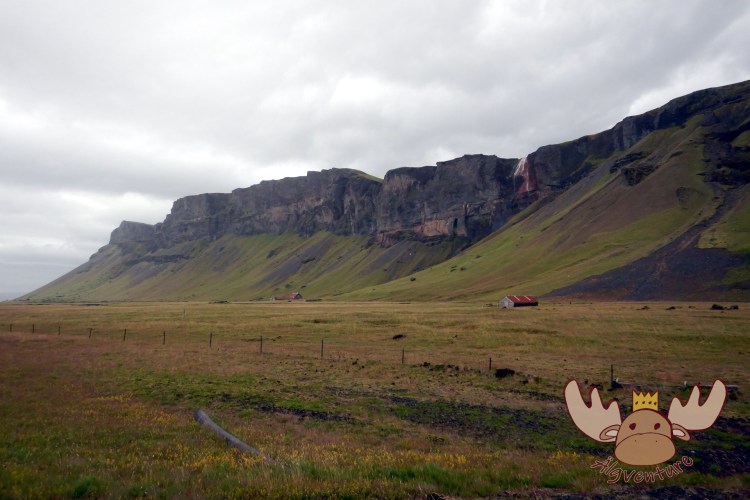
Island | Beeindruckende isländische Landschaft direkt neben der Straße – Impressive Icelandic landscape right next to the road 
Island | Bei widrigem Wetter wurde aus einem alten Karton und einem Plastiksack eine neue Heckscheibe gebaut. – When the weather was bad, a new rear window was built from an old cardboard box and a plastic bag. 
Island | Eine koreanische Instant-Suppe erwärmte unsere erkalteten Glieder. – A Korean instant soup warmed our cold limbs.
Lundi!!!
Saturday, 01.August 2020
After yesterday’s exertion, today was the day for a lie-in. It wasn’t until 10:00 a.m. that we started to get going, but not with any landscape expeditions, but with much more mundane things: vacuuming. The hole in the back was closed, but there were still shards of glass everywhere in our micro-camper, so an overnight stay, even wrapped up in sleeping bags, would certainly not be very pleasant. The nice host in our current accommodation was kind enough to lend us his vacuum cleaner. The neighbors found it amusing that two tourists had the idea of vacuuming their car.

Today’s destination was Dyrhólaey. The landscape and bird sanctuary is known for the sheer number of different bird species – including puffins. The path there was neither rocky nor difficult. A wonderfully developed road leads directly to a large parking lot with a newly built toilet block. This is gentle, nature-oriented tourism in Icelandic. Nevertheless, we like to use the parking lot and hike to the first places where puffins are expected. We suspected we would see one or two birds. We had no idea that we would stumble upon a breeding colony. Countless of the small birds flew towards the sea and shortly afterwards returned to their nests with their beaks full of fish. We could have watched this spectacle for hours. After a while, however, it became clear to us that we had to move on. After all, there is a lighthouse not too far away with a breathtaking view of the Icelandic landscape. The short hike of just under 2.5 km was child’s play with our new equipment. When we arrived at the lighthouse, we felt like we were in Middle Earth – the view was so beautiful, we thought we were standing on a film set.

Dyrhólaey | Auch wenn der Weg steinig und schwer zu sein scheint, so lohnt sich der Ausblick umso mehr. – Even if the path seems rocky and difficult, the view is all the more worthwhile. 
Dyrhólaey | Der Weg zum Leuchtturm führt über einen kleinen Pfad durch grüne Landschaft. – The way to the lighthouse leads over a small path through green landscape 
Dyrhólaey | Die charakteristische Doppelbogenform lässt sich schon von weitem erkennen und diente früher in der Schifffahrt als wichtige Landmarke zur Navigation. – The characteristic double arch shape can be seen from afar and used to be an important landmark for navigation in shipping. 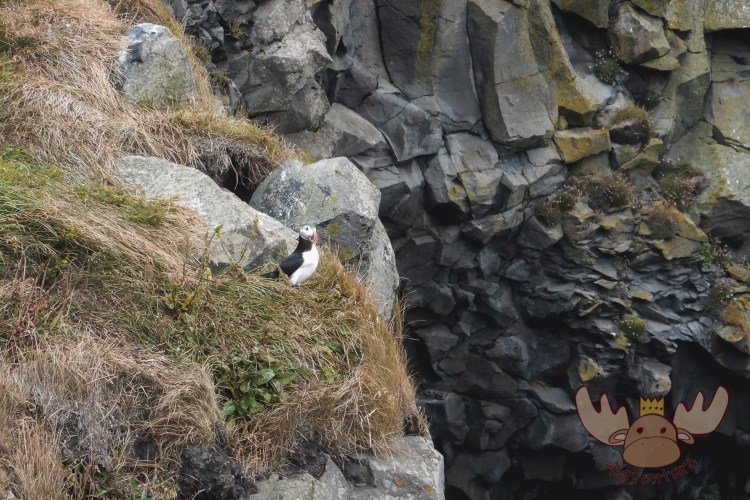
Dyrhólaey | Die Halbinsel ist bekannt für die vielen Brutplätze der Papageientaucher die man mit nur wenigen Metern Entfernung beobachten kann. – The peninsula is known for the many breeding sites of puffins that can be seen from just a few meters away 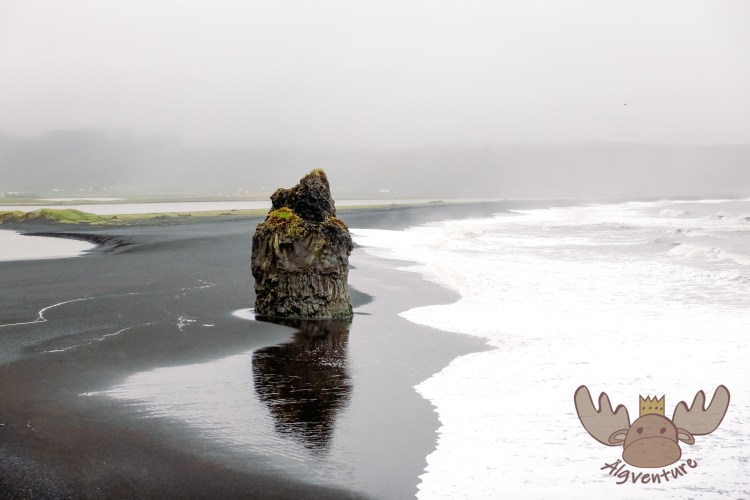
Dyrhólaey | Der gleich nebenan liegende Strand Reynisfjara bietet mit seinem schwarzen Sand im Kontrast zum grünen Hinterland immer wieder schöne Fotomotive. – The Reynisfjara beach, which is right next door, offers beautiful photo opportunities with its black sand in contrast to the green hinterland. 
Dyrhólaey | Endlos wirkende schwarze Sandstrände und (fast) unberührte Landschaft bilden das Panorama auf der Spitze des Berges. – Endless black sandy beaches and (almost) untouched landscape form the panorama on the top of the mountain. 
Dyrhólaey | So viel unberührte Landschaft ist in Europa an kaum einem anderen Ort zu finden als hier in Island. – Hardly anywhere else in Europe can you find so much untouched landscape than here in Iceland. 
Dyrhólaey | Der Leuchtturm weist den Seefahrern in seiner heutigen Form seit 1927 den Weg und steht am südlichsten Punkt Islands. (Vestmannaeyjar ausgenommen) – The lighthouse has been showing seafarers the way in its current form since 1927 and is located at the southernmost point of Iceland. (Excluding Vestmannaeyjar)
The day before, the small town of Vík í Mýrdal was barely visible due to the fog. We really wanted to take a closer look at the black sand beach. So we walked the few kilometers back. The guide also needed a hat. Since we were already in town and were hungry, the only logical conclusion was that we should get something to eat straight after the hat. We chose a small but nice restaurant with Icelandic specialties: burgers and pizza. Although all the ingredients were from Iceland, the food was imported. We should improve our future selection a little. But the burgers were very good.
We spontaneously decided to take a short digestive walk to the basalt columns at Reynisfjara. The few meters from the parking lot were very easy to walk despite our stomachs being full to bursting. The basalt columns and caves were the most beautiful we have ever seen. Well, they were the first ones we saw in Iceland, but that should not detract from their impressive appearance. We are slowly beginning to fall in love with these landscapes. Will we ever be impressed by nature in other countries again? We will only find out in the future. At the moment we are enjoying every moment and soaking it up.
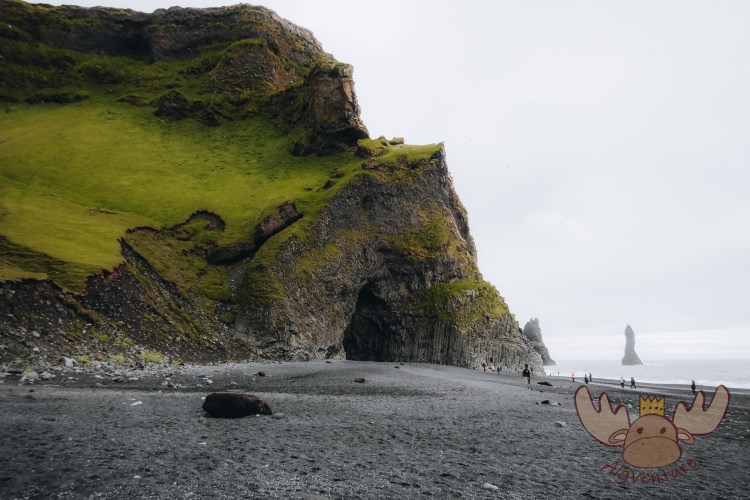
Reynisfjara Beacht | Eingang zur Hálsanefshellir Höhle mit den charakteristischen Basaltsäulen. – Entrance to the Hálsanefshellir Cave with the characteristic basalt columns. 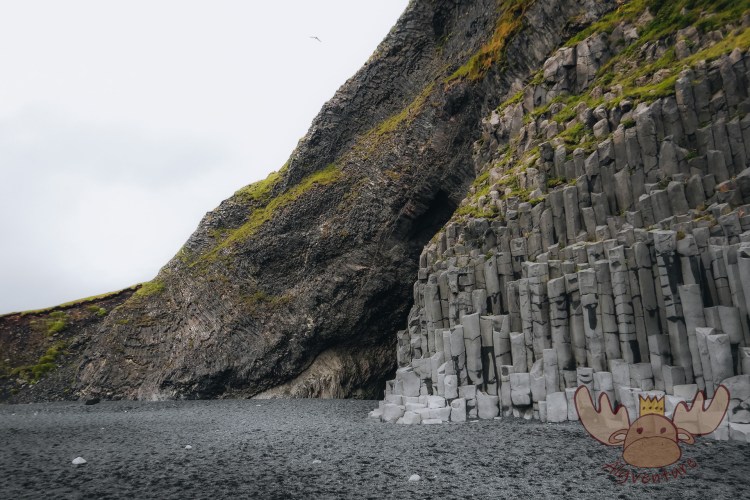
Reynisfjara Beacht | Eingang zur Hálsanefshellir Höhle mit den charakteristischen Basaltsäulen. – Entrance to the Hálsanefshellir Cave with the characteristic basalt columns. 
Reynisfjara | Im Gegensatz zu Älgbert sollten Besucher die Basaltstrukturen nicht erklimmen um deren Erhalt noch für viele Generationen zu gewährleisten. – In contrast to Älgbert, visitors should not climb the basalt structures to ensure their preservation for many generations to come. 
Reynisfjara Beach | Jede der Felsformationen von Reynisdrangar hat einen eigenen Namen: Skessudrangur, Landdrangur und Langsamur – Each of Reynisdrangar’s rock formations has its own name: Skessudrangur, Landdrangur, and Slowsamur 
Reynisfjara Beach | Die schier endlos scheinenden schwarzen Küsten Islands bieten beeindruckende Fotomotive. Im Hintergrund befindet sich Dyrhólaey mit seinen vielen Papageientauchern. – The seemingly endless black coasts of Iceland offer impressive photo opportunities. In the background is Dyrhólaey with its many puffins.
No progress…
Sunday, 02.August 2020
A new day has dawned, and we want to make the most of it. With a slight delay due to past events, we were able to start exploring other Icelandic landmarks today. But which ones? There are countless! Covering them all would probably take several lifetimes. Then there’s the accessibility – but more on that later.
We started with Fjaðrárgljúfur, a canyon about 50 minutes or 70 kilometers east of Vík í Mýrdal. The gorge is up to 100 meters deep in some places and is about two kilometers long. So this was only the first item on our list of things to do today, because a short walk like this obviously doesn’t fill a whole day. On the way there we passed the lava field at Kirkjubæjarklaustur again. A surreal lunar landscape that stretches to the horizon and is completely covered in moss. Since we aren’t always familiar with the Icelandic names, we naturally have to look for them on Google Maps. The reviews entered there are once again a topic in themselves… An example: „The lava fields are of course unique, but I have to say that they are not pretty to look at. You feel like you are standing in an alien world and a monster could rise from the lava field at any moment“ – 2 out of 5 Google stars
You could really scratch your head at some of them, but it would still be of no use…

Fjaðrárgljúfur | Auch Älgbert kommt aus dem Staunen nicht mehr heraus. – Even Älgbert can’t help but be amazed. 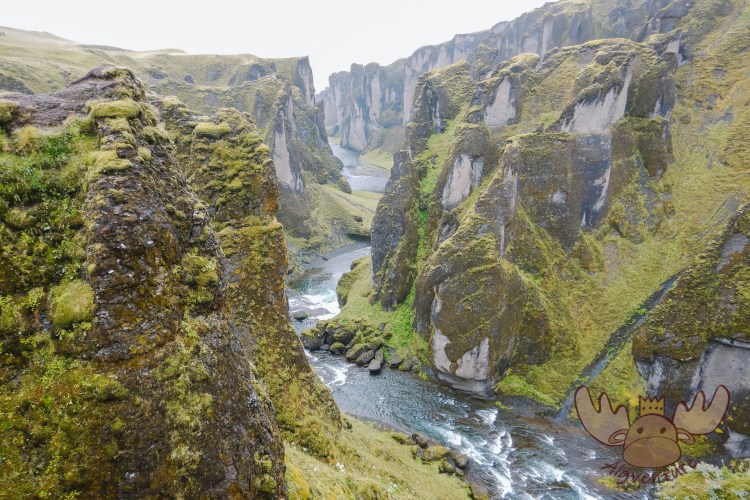
Fjaðrárgljúfur | Ein Wanderweg führt entlang der Kante, der auf keinen Fall verlassen werden sollte. – A hiking trail leads along the edge, which should not be left under any circumstances. 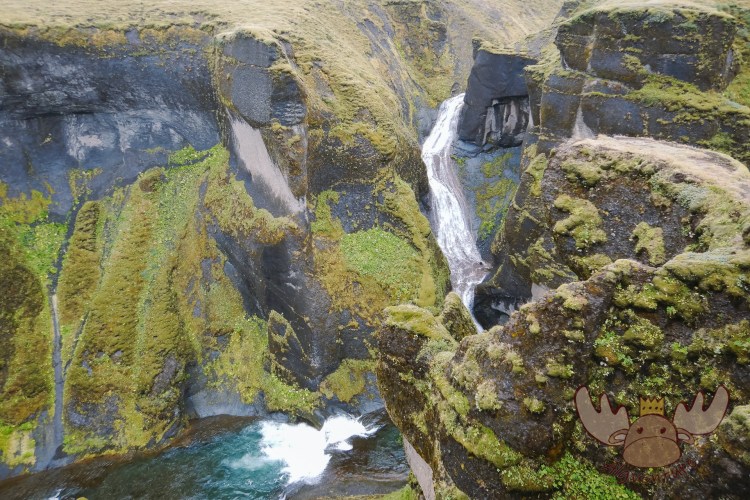
Fjaðrárgljúfur | Die Schlucht die der Fluss Fjaðrá in die Lanschaft geschnitten hat, ist bis zu 100 Meter tief und hat eine Länge von etwa zwei Kilometern. – The gorge that the river Fjaðrá has carved in the landscape is up to 100 meters deep and about two kilometers long. 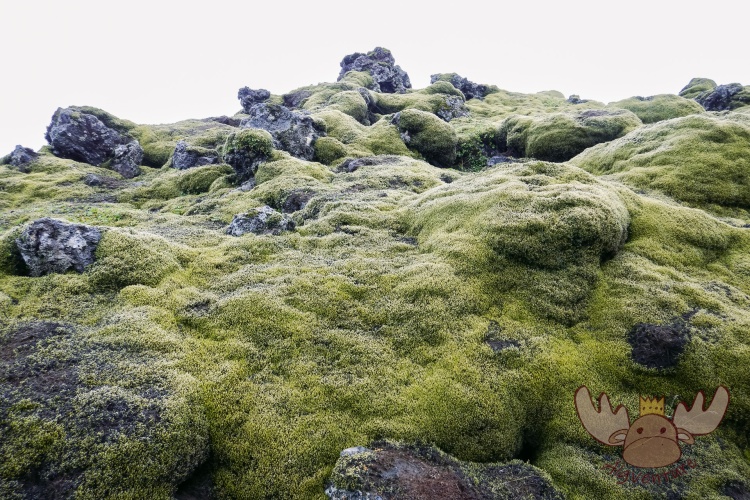
Scenic Green Lava Walk | Gönguleið um Eldhraun 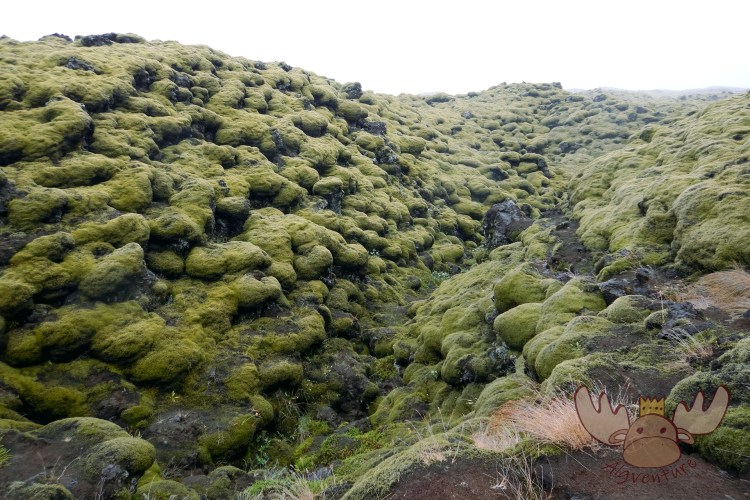
Scenic Green Lava Walk | Gönguleið um Eldhraun 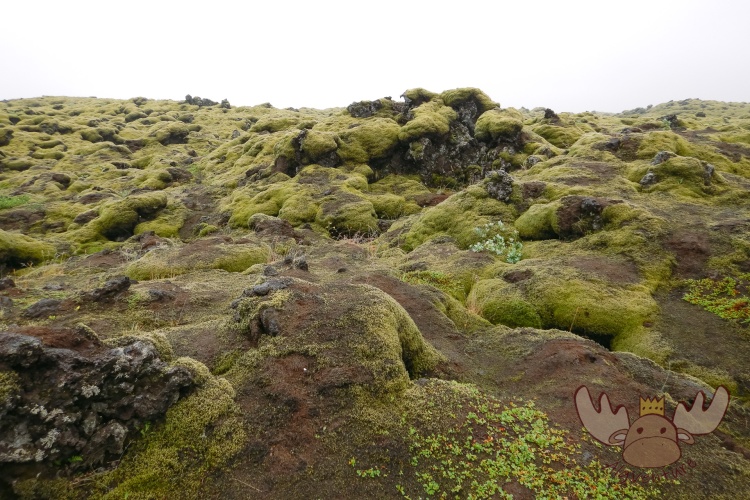
Scenic Green Lava Walk | Gönguleið um Eldhraun
We were told that if you have a little more time, you should definitely make a detour to Þakgil. The access road is 13 km along an unpaved road and can usually be managed without any problems with a normal vehicle. At least that was our assumption after several searches on the Internet. We were proven wrong.
The journey itself is breathtakingly beautiful, but after several contacts between various volcanic stones and the underbody of our motorhome, we unfortunately had to make our way back without having explored the hiking trails. We are probably a little too poorly equipped for all corners of Iceland and will probably have to come to the island again and bring heavier equipment with us on our next visit.
We returned to our accommodation a little disillusioned. Spaghetti was supposed to lift our spirits again. And it worked.
There we were greeted happily by some of the residents of our accommodation – all on four legs. The house dog was so taken with us that she didn’t want to get off our veranda. She followed us everywhere. I think we have a dog now. So we relax a little and plan for tomorrow, because tomorrow we’ll be heading off again. The capital is calling and we’ll follow. Let’s see what awaits us there 🙂
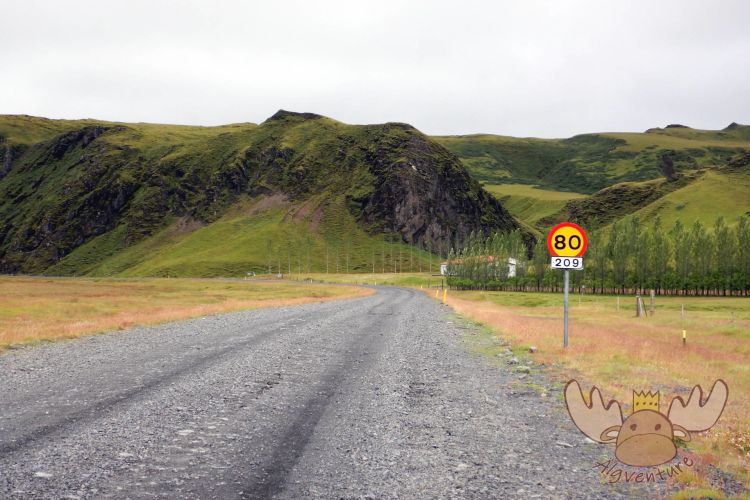
Þakgil | Die unbefestigte Straße 209 sollte mit jedem Fahrzeug zu schaffen sein, doch die Wege weiter oben können je nach den Wetterverhältnissen in unterschiedlichem Zustand sein. – The unpaved road 209 should be doable by any vehicle, but the trails further up can vary in condition depending on weather conditions. 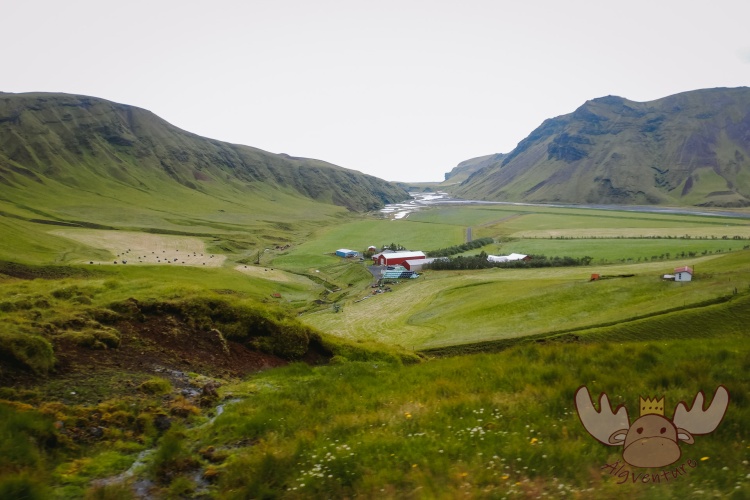
Þakgil | Nachdem man diesen Bauernhof passiert hat, glaubt man der Zivilisation entkommen zu sein. – After passing this farm, you think you have escaped from civilization. 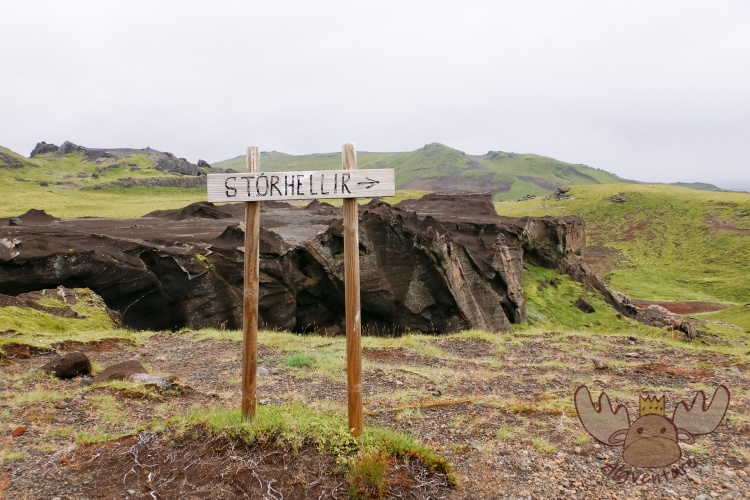
Þakgil | Der Weg zu einer begehbaren Höhlen ist mit Wegweisern markiert. – The way to a walk-in cave is marked with signposts. 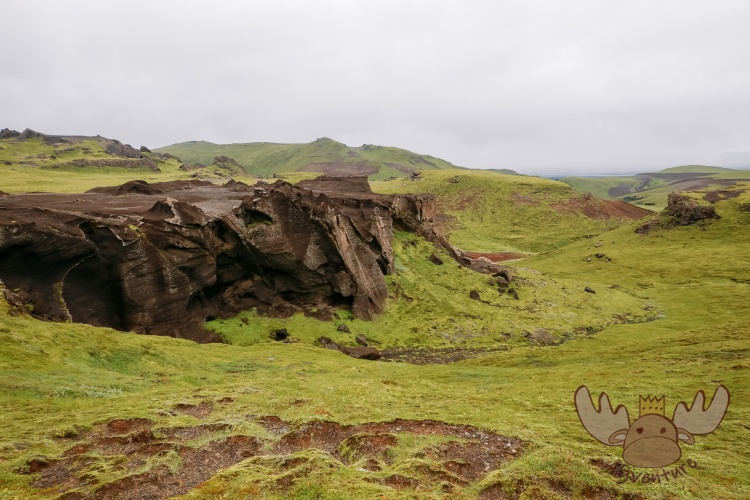
Þakgil | So weit das Auge reicht sieht man nur grüne Hänge und in der Ferne den ein oder anderen Vulkanhügel. – As far as the eye can see there are see green slopes and in the distance one or the other volcanic hill. 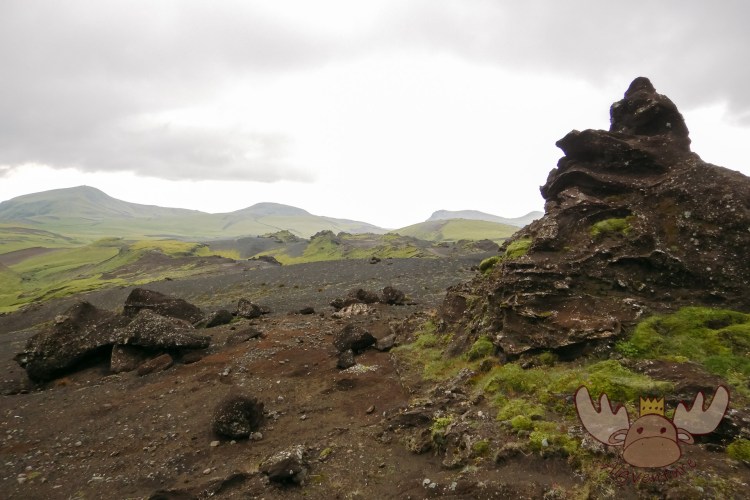
Þakgil | Die Straße nach Thakgil gilt als die einfachste Möglichkeit auch mit normalen Fahrzeugen das Hochland-Feeling einzufangen ohne dafür abenteuerliche F-Straßen in Angriff nehmen zu müssen. – The road to Thakgil is considered the easiest way to capture the highland feeling with normal vehicles without having to drive on adventurous F-roads. 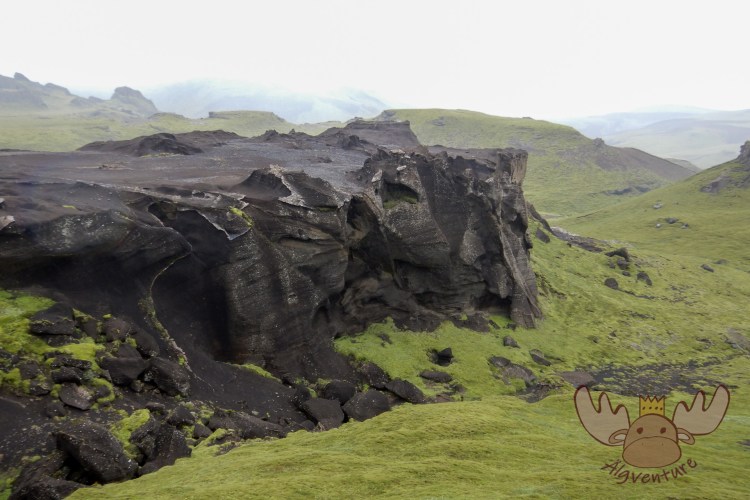
Þakgil | Beeindruckende Lavafelsformationen und unberührte Natur sind auf beiden Seiten des Weges zu sehen. – Impressive lava rock formations and untouched nature can be seen on both sides of the trail. 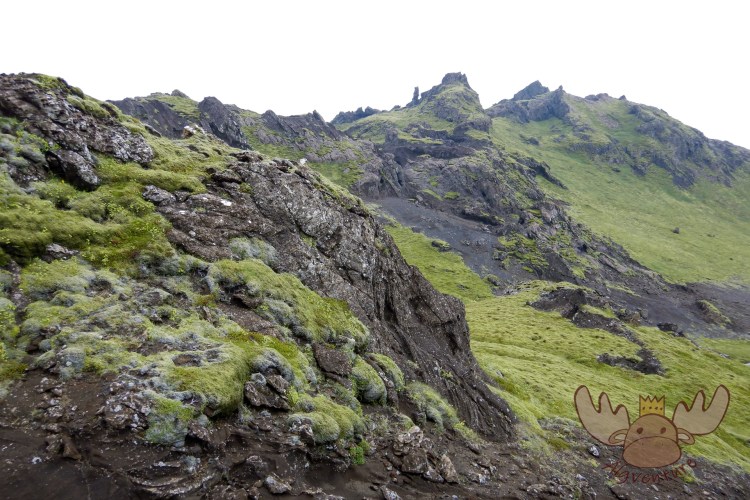
Þakgil | Die dünne Moosschicht, die sich auf dem Vulkanfelsen gebildet hat, ist äußerst empfindlich und man sollte es nicht betreten. – The thin layer of moss that has formed on the volcanic rock is extremely sensitive and should not be stepped on. 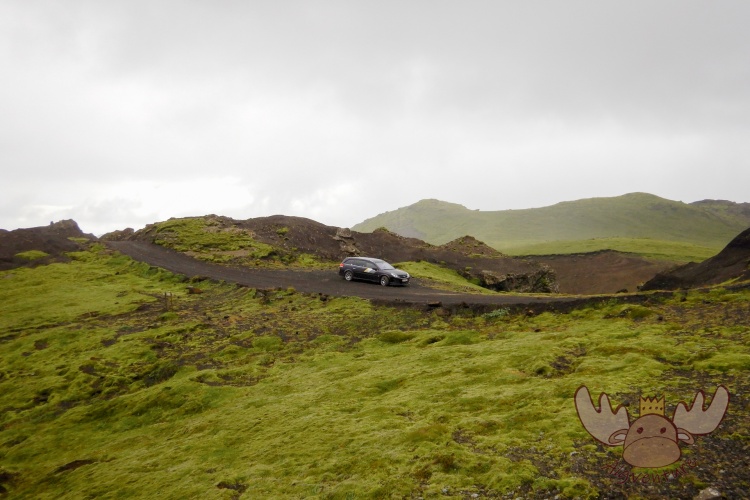
Þakgil | Weiter oben verändert sich die Straße die sich eng und verschlungen den Weg nach oben bahnt. – Further up, the road changes, which narrows and winds its way up.
The day of water
Monday, 03.August 2020
Today we had to say goodbye to our new animal friends because we drove on to Reykjavik, but not without stopping at at least some of the countless waterfalls in Iceland.
We started with Skógafoss. This even became famous worldwide because Jon Snow and Daenerys Targaryen cuddled wildly there in front of their dragon and around twelve million people watched. For this scene, the waterfall was artificially made even more impressive with the help of CGI, but we don’t think this was necessary.
A hiking trail would lead away from the waterfall along the Skoga river. Unfortunately, we didn’t have time for that. We already realized that we had planned far too little time. For everything!
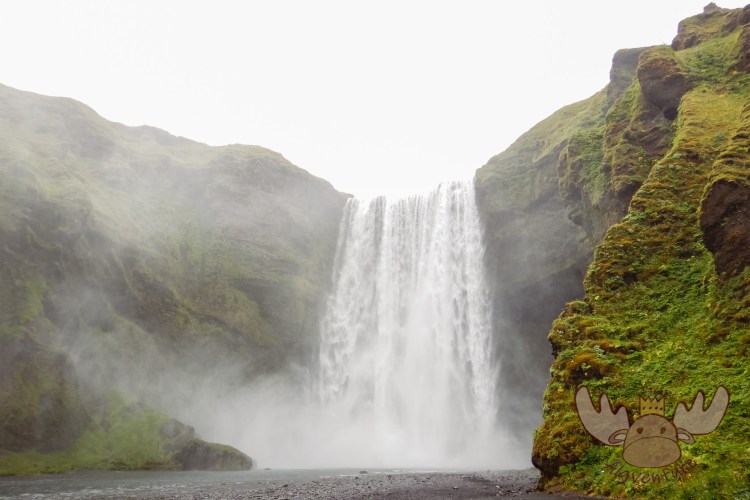
Skógafoss | Der Wasserfall diente in der Serie „Game of Thrones“ als Hintergrund einiger Szenen. – The waterfall served as a backdrop to some scenes in the „Game of Thrones“ series. 
Skógafoss | Der Wanderweg startet direkt beim Parkplatz und führt zuerst über viele Stufen den steilen Hang hinauf. – The hiking trail starts directly at the parking lot and first leads up the steep slope over many steps. 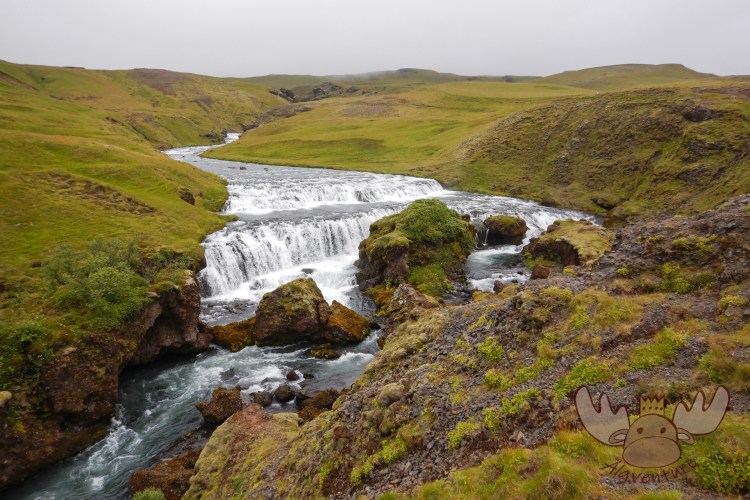
Skógafoss | Der Fluss fließt über etwa 20 größere und kleinere Wasserfälle, wobei der Skógafoss am Ende seiner Reise kurz vor dem Meer der größte von ihnen ist. – The river flows over about 20 larger and smaller waterfalls, with Skógafoss being the largest of them at the end of its journey just before the sea. 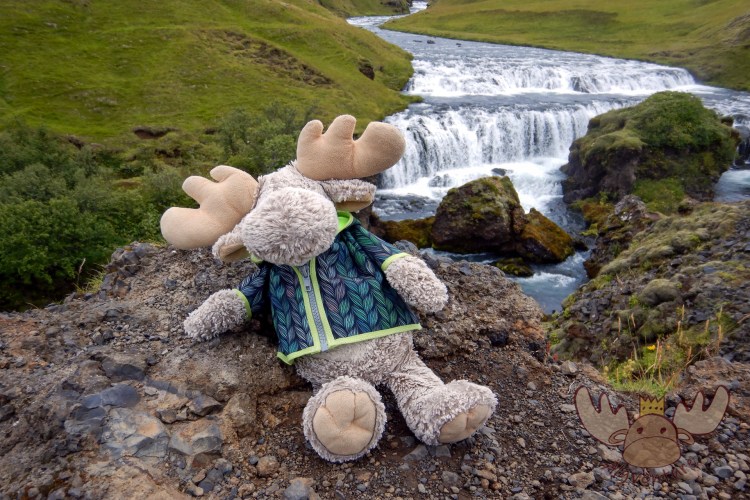
Skógafoss | Älgbert macht es sich nach dem Aufstieg über die vielen Stufen erstmal gemütlich. – Älgbert makes himself comfortable after climbing the many steps. 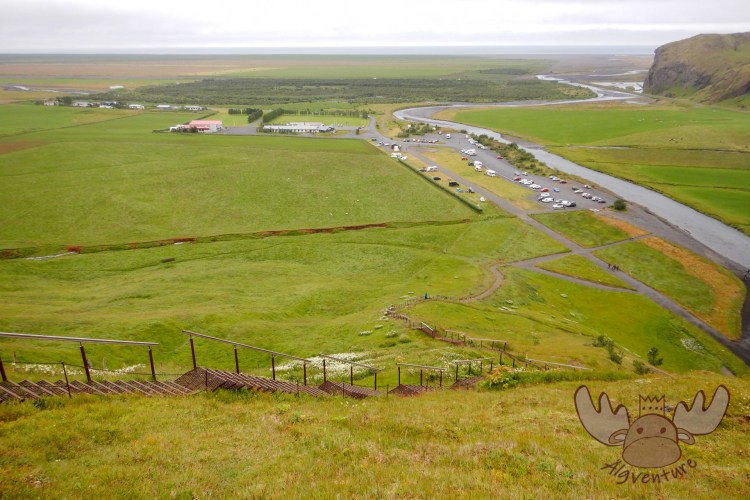
Skógafoss | Der Parkplatz am Fuße des Wasserfalles ist großzügig ausgelegt. – The parking lot at the foot of the waterfall is spacious.
In Skogar there is also a small local museum that was just waiting to be explored by us. On all our trips we are also interested in the lives of the people who live in the country we are allowed to visit. Outside, old houses with typical architecture from many parts of the region were dismantled into individual parts, packed in boxes and gradually reassembled in the museum. We were amazed at how simply the people in this region had lived not so long ago. There were turf huts (Icelandic: torfbæir) that looked like dwellings from the Viking Age, but some of them were still inhabited until the late 1970s. In the technical part of the museum we were given an insight into Iceland’s transition from the Viking Age (around 1970) to the modern era (i.e. 1980). In Iceland, due to the small population and the difficult landscape conditions, it was not possible for a long time to establish a stable telegraph connection to the European mainland. For example, a comprehensive telephone network did not exist until the early 1930s. Where comprehensive means one telephone per larger town. A lot also happened in the transport sector in the 20th century. For example, the last ferry connections were replaced by bridges using reinforced nutshells at the end of the 1950s. The last major bridge that really made the Icelandic Ring Road a ring road was inaugurated in the mid-1970s.
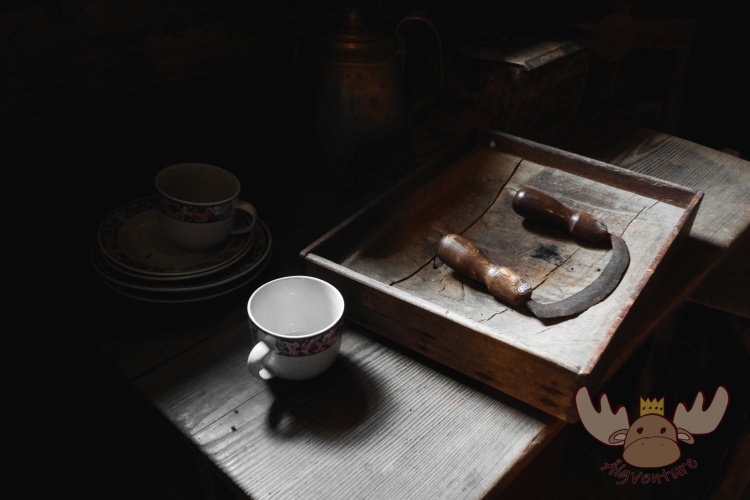
Skógar Museum | Das Museum umfasst über 15.000 Gegenstände aus dem täglichen Leben der Isländer. – The museum contains over 15,000 objects from everyday Icelandic life. 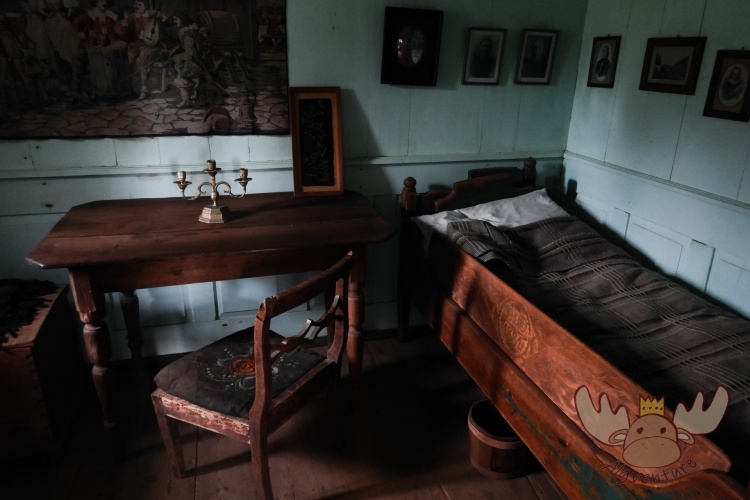
Skógar Museum | Die Häuser des Außenbereichs sind alle gemäß den Epochen aus denen sie stammen eingerichtet. – The houses outside are all furnished according to the periods from which they come. 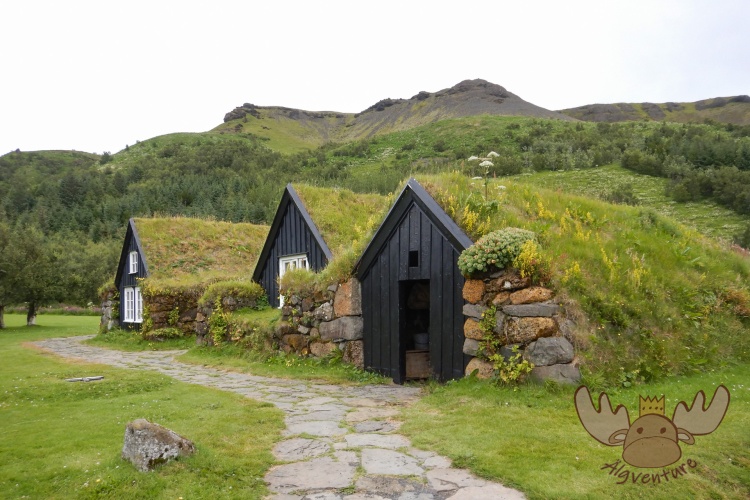
Skógar Museum | Viele solcher Torfbæir waren über ganz Island verstreut und wurden als Selbstversorgerhöfe betrieben. – Many such Torfbæir were scattered all over Iceland and operated as self-sufficient farms. 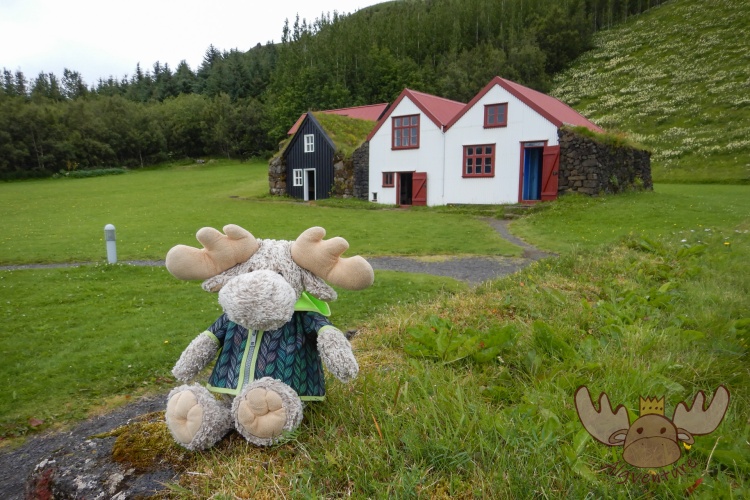
Skógar Museum | Älgbert erkundet das Freilichtmuseum – Älgbert explores the open-air museum 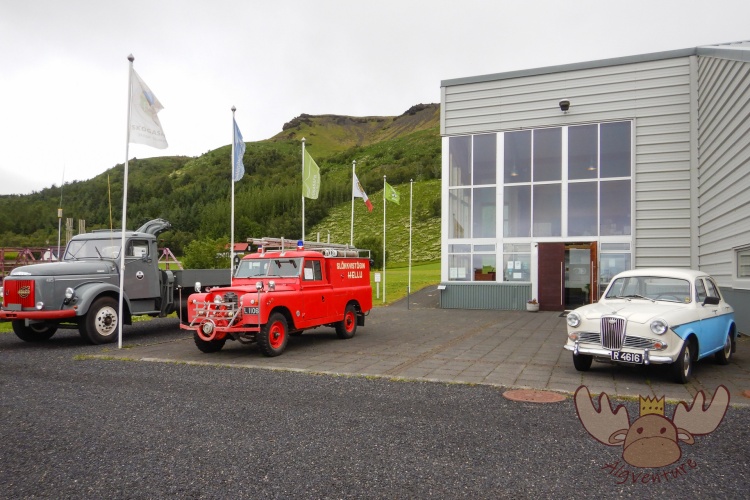
Skógar Museum | Das Technische Museum von Skógar beinhaltet viele abwechslungsreichen Exponate. – The Technical Museum of Skógar contains many varied exhibits. 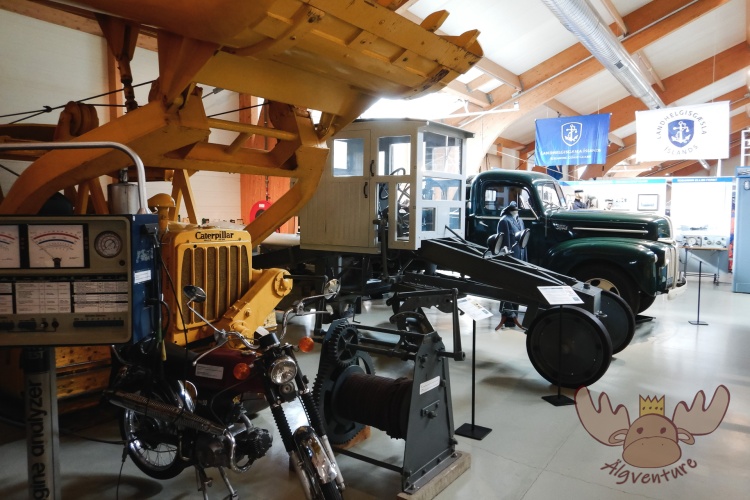
Skógar Museum | Die ausgestellten Straßenbaumaschinen ermöglichten es Island zu erschließen. – The road construction machines on display made it possible to develop Iceland. 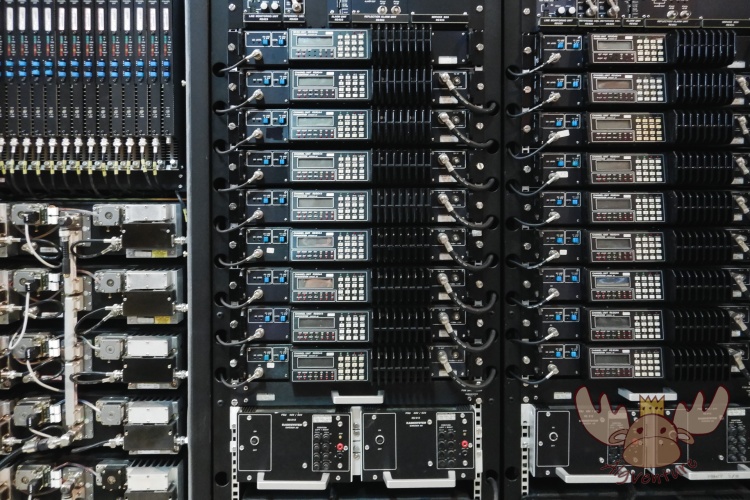
Skógar Museum | Ein Teil der Ausstellung ist der Telekommunikation und der Verbindung Islands mit dem Rest der Welt gewidmet. – Part of the exhibition is dedicated to telecommunications and Iceland’s connection to the rest of the world.
After this concentrated load of new knowledge, it was now time for us to move on. After all, we wanted to get to Reykjavik that day and tick off a special point on our bucket list. But first we had to stop at another special waterfall: Seljalandsfoss.
This waterfall is special in that you have the opportunity to step behind the curtain. A small path leads behind the curtain of water and attracts many amateur photographers who want to create a visual monument to this special spectacle of natural architecture. A lot of equipment was brought along and set up there. We only had our small emergency camera and our cell phones at the ready. Therefore, we apologize for the quality of the photos shown below, they do not do justice to the beauty of this waterfall. We are a bit suspicious why exorbitantly high prices are being charged for parking here in a capitalist manner. We preferred to invest this money in a real Icelandic specialty: two hot dogs with ketchup.

Seljalandsfoss 
Seljalandsfoss | Aufgrund der Nähe zu Reykjavík kann es vorkommen, dass viele Besucher gleichzeitig den Wasserfall besichtigen wollen. Insbesondere wenn gerade ein oder mehrere Reisebusse ihre Ladung auf einmal ausladen. – Due to its proximity to Reykjavík, it can happen that many visitors want to see the waterfall at the same time. Especially when one or more coaches are unloading their load at once. 
Seljalandsfoss | Der Seljalandsfoss befindet sich nur wenige Kilometer außerhalb der Isländischen Hauptstadt und wird im Zuge einer Golden Circle Tour gerne von Touristen besucht. – Seljalandsfoss is located just a few kilometers outside the Icelandic capital and is often visited by tourists as part of a Golden Circle Tour.
Satisfied and with stomachs full of sausages, the journey could continue. Our route took us along scenic roads through rugged lava landscapes to Bláa Lónið – the blue lagoon. This is an outdoor thermal pool near Grindavík on the Reykjanes peninsula. The pool is fed by volcanic water that is pumped up from a depth of 1982m and mixed with sea water to a pleasant 38°C, inviting you to relax. Due to the minerals it contains, the water has a milky white, almost bluish color and sometimes smells a bit sulfurous. We were able to relax very well with healthy smoothies in our hands, so that we completely forgot about the time and only arrived very late at our accommodation in the capital of this beautiful country. We were tired but relaxed and slept like little contented and freshly bathed stones in our new soft bed. We are excited to see what tomorrow will bring.

Bláa Lónið | Im etwa 38°C warmen Wasser lässt es sich gut aushalten. – It’s easy to relax in the water, which is around 38°C warm. 
Bláa Lónið | Älgbert genießt die Auszeit und entspannt gemütlich am Beckenrand. – Älgbert enjoys the time out and relaxes comfortably at the pool. 
Bláa Lónið | Die Blaue Lagune gehört mittlerweile zum Fixpunkt vieler Island-Reisenden. Daher ist es sehr ratsam sich einen Zeitslot im Voraus zu buchen. – The Blue Lagoon is now a fixture for many travelers to Iceland. It is therefore highly advisable to book a time slot in advance.
So this is where Iceland lives?
Tuesday, 04.August 2020
The whole of Iceland has around 360,000 inhabitants. Around 170,000 of them live in or around Reykjavik. That’s about 2/3 of the country’s inhabitants. You notice this the closer you get to the capital region. Further east, five houses put together already count as a town, and it quickly becomes clear that this area is much more densely populated. Many houses even have more than one floor! But there is no trace of big city hustle and bustle.
For Central Europeans, a city with around 120,000 inhabitants is nothing unusual, but in Iceland that’s already the equivalent of a metropolis. We had to solve an urgent problem before we could start our exploration of Reykjavik. The camera broke on the ferry and there are only a few shops in the whole of Iceland that can repair a camera. Two of them happened to be in the capital, where we were at the time. So off we went to the photography accessories shop!
The first shop directed us to the second one. After all, one is enough if it can solve the problem of the broken camera. There, the device was examined from all sides, only to be told that the expert could only send it to Sweden. Not very satisfactory… But he pointed us to a small glass display case in which used cameras were on offer. The man was even nice enough to let us have one – for a small fee, of course. But now we were once again the proud owners of a working camera.
High-quality snapshots of our trip could now be taken again. With the corresponding enthusiasm, we started our tour through the capital of Iceland.
Our first destination was, how could it be otherwise, the local Vínbúðin. As in all Scandinavian countries, the sale of alcoholic beverages is very strictly regulated. Iceland has very high taxes on alcohol, which was originally intended to reduce alcohol consumption. The tax rates are not based on the price, but are calculated proportionally to the alcohol content. In Iceland, this monopoly is operated by the state with 48 shops. One of the Älg guides wants to try the host country’s selection of barley and hop juices on every trip, so the travel provisions were filled up with Icelandic drinks. After a successful raid through the aisles, the purchases were proudly „stored“ in the accommodation’s refrigerator. Then we started the actual foray into Reykjavik.
Past the shop windows of the countless small shops to one of the city’s landmarks: Hallgrimskirkja Church. From the top of the tower you have a wonderful overview. The city seems even smaller than it already is. But we wanted to use this to our advantage and take in as many impressions as possible on our trip. Unfortunately, the many museums in the city had to be skipped for the time being – this would have simply blown the time frame completely. So we strolled through the streets from east to west and from north to south. Although Reykjavik is so small and has only grown significantly in the last 50 years, we still found more than enough photo opportunities. Many cities focus more on quantity than quality when they grow quickly. Often, entire historic districts are razed to the ground just to build new, shapeless residential towers in the landscape. The old town of Reykjavik has managed to retain its charm and the typical wooden houses still stand in many places. The tour ended with a wonderful dinner in one of the city’s many fish restaurants. One or two spirituous drinks were consumed.
The coming day will certainly hold more pleasant surprises, which we are already looking forward to. We are planning a trip into the hinterland of Reykjavik. This means Iceland as you would expect, but also in a way that can surprise.
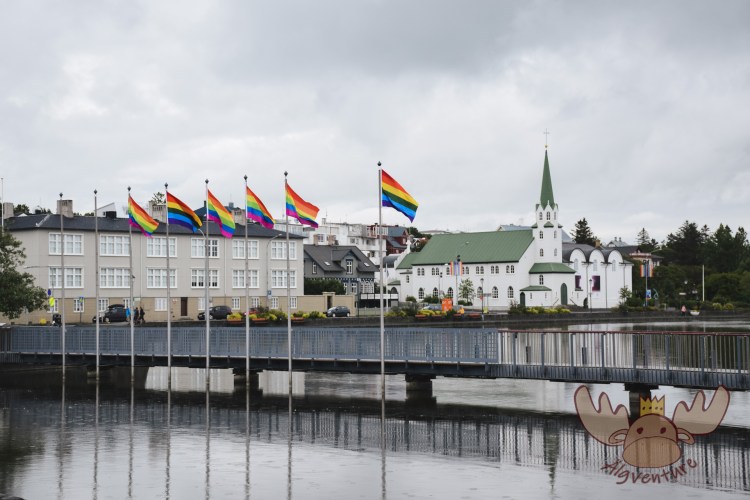
Reykjavik | Blick auf das 1901 errichtete weiße Kirchengebäude mit grünen Dächern der Fríkirkja am Reykjavíkurtjörn. – View of the white church building with green roofs of Fríkirkja on Reykjavíkurtjörn, built in 1901. 
Reykjavik | Älgbert besucht die Skulptur vom isländischen Schriftsteller Tómas Guðmundsson, der gerne in seinen Gedichten Reykjavik erwähnte. – Älgbert visits the sculpture by the Icelandic writer Tómas Guðmundsson, who liked to mention Reykjavik in his poems. 
Reykjavik | Möwen sitzen am Brückengeländer des Sees Reykjavíkurtjörn. – Seagulls sitting on the bridge railing of Lake Reykjavíkurtjörn. 
Reykjavik | Die 1929 von Guðjón Samúelsson entworfene römisch-katholische Kirche Landakotskirkja im Westen der Stadt Reykjavik. – The Roman Catholic church Landakotskirkja, designed by Guðjón Samúelsson in 1929, in the west of Reykjavik city. 
Reykjavik | Vor dem Schifffahrtsmuseum im alten Hafen steht das alte isländische Fischerboot Gullborg. – In front of the maritime museum in the old harbour is the old Icelandic fishing boat Gullborg. 
Reykjavik | Die Denkmallokomotive Minør in der isländischen Hauptstadt. – The Minør monument locomotive in the Icelandic capital. 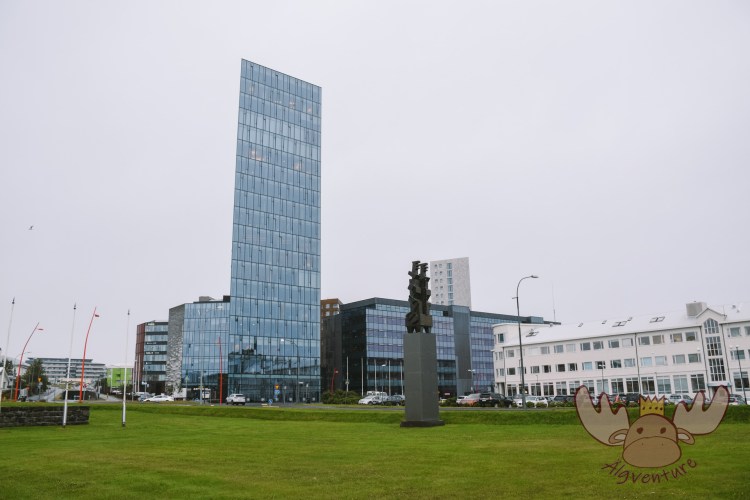
Reykjavik | Die 1971 vom Künstler Sigurjón Ólafsson geschaffene Skulptur Öndvegissúlur befindet sich zwischen dem historischen Gästehaus Höfði und modernen Hochhäusern. – The sculpture Öndvegissúlur, created by artist Sigurjón Ólafsson in 1971, is located between the historic Höfði guesthouse and modern high-rise buildings. 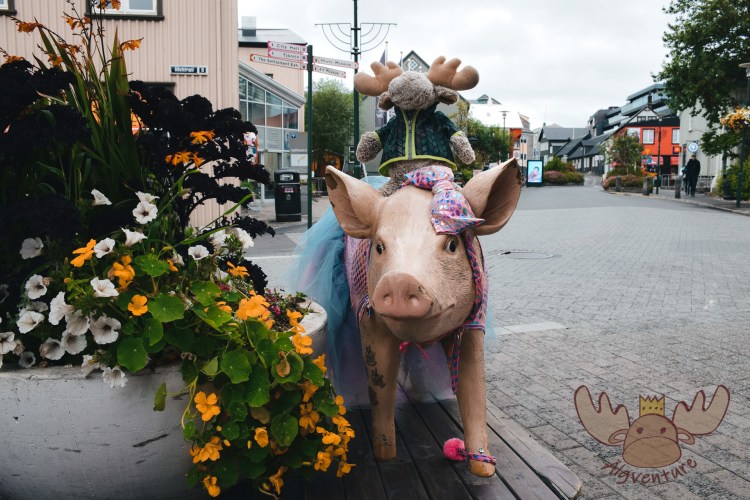
Reykjavik | Älgbert sitzt auf einer festlich gekleideten Schweinestatue im Zentrum der isländischen Hauptstadt. – Älgbert sits on a festively dressed pig statue in the centre of the Icelandic capital. 
Reykjavík | Die Bootsskulptur Sonnenfahrt vom Künstler Jón Gunnar Árnason wurde 1986 aus Edelstahl gefertigt und steht auf einem Granitsockel am Meer in Reykjavík. – The boat sculpture Sun Voyage by artist Jón Gunnar Árnason was made of stainless steel in 1986 and stands on a granite base by the sea in Reykjavík. 
Reykjavik | Das 2011 neueröffnete Opern- und Konzerthaus Harpa in der isländischen Hauptstadt Reykjavik – The Harpa Opera and Concert House in the Icelandic capital Reykjavik, reopened in 2011. 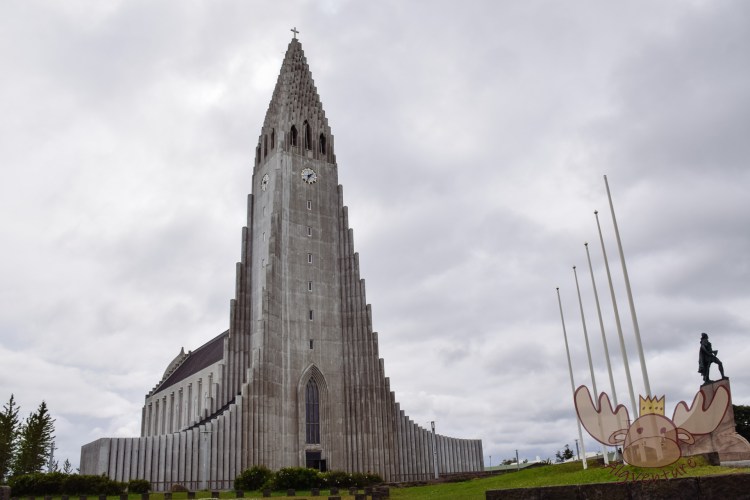
Reykjavík | Die Hallgrímskirkja ist eine evangelisch-lutherische Pfarrkirche im Zentrum von Reykjavík und das größte Kirchengebäude Islands. – Hallgrims Church is an Evangelical Lutheran church in the centre of Reykjavík and the largest church building in Iceland. 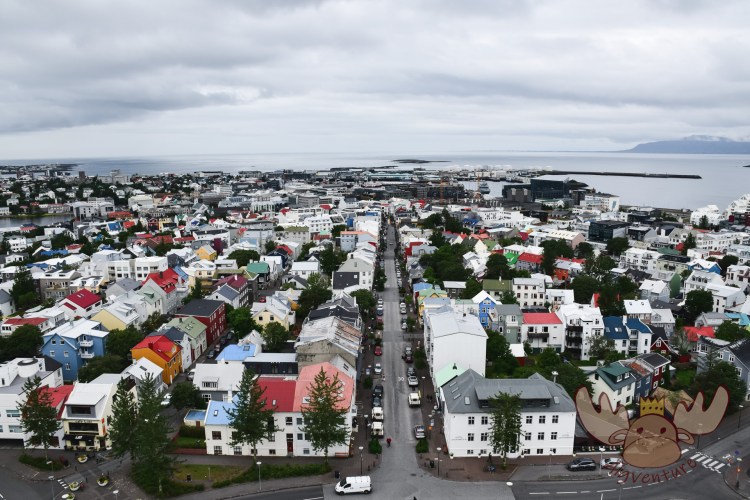
Reykjavík | Ausblick auf das Stadtzentrum vom Turm der ca. 74 Meter hohen Hallgrímskirkja. – View of the city centre from the tower of the approx. 74-metre-high Hallgrímskirkja.
The primal power of the country meets tropical fruit
Wednesday, 05.August 2020
The fact that there are volcanoes in Iceland has probably been known since the eruption of Eyjafjallajökull at the latest. One reason for this is that the island lies exactly on the edge of two continental plates. To be more precise, the Eurasian plate and the North American plate are slowly but steadily drifting apart in the area we are currently in. Strictly speaking, we have just driven to America by car, as Reykjavik lies on the North American plate. Such a constellation is unique in Iceland. In Þingvellir, the drifting apart plates can be experienced up close. With a lot of patience, you can even see the plate movement. The plates move apart by about 2 cm per year – so you should have a lot of patience. Þingvellir also plays an extraordinary role in Iceland’s history. Because once a year, the whole of Iceland met there to hold public or court assemblies. You could also call it an early form of parliament. There should be a crack running through the island – but fortunately, new, liquid rock is constantly flowing to the surface from an underwater volcano almost three kilometers deep. This constant supply of material prevents the island from slowly but surely breaking apart. This primal force that is emerging here is used diligently in Iceland. Be it in the example of the Blue Lagoon, which we visited two days ago, or in the curiosity we visited today, which you would never expect to find in Iceland.

Þingvellir | Seit dem Beginn der Landnahme in Island haben sich die Menschen an diesem Ort getroffen um über wichtige Dinge abzustimmen. – Since the beginning of the settlement of Iceland, people have met in this place to vote on important matters. 
Þingvellir | Hier befindet sich auch Trennlinie der Eurasischen und Nordamerikanischen Tektonikplatte. Hier kann man zwischen den Kontinentalplatten wandern. – This is also the dividing line between the Eurasian and North American tectonic plates. Here you can hike between the continental plates. 
Þingvellir | Þingvallakirkja, die Kirche in Þingvellir, ist normalerweise geschlossen und kann nur im Zuge einer Führung mit einem der Ranger des Nationalparks besichtigt werden. – Þingvallakirkja, the church in Þingvellir, is normally closed and can only be visited on a guided tour with one of the national park rangers. 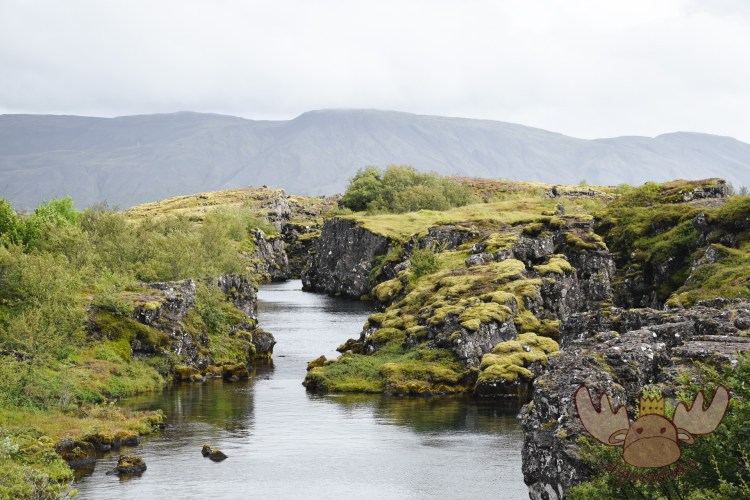
Þingvellir | Im Þingvellir-Nationalpark können Tauchgänge gebucht werden und man schwimmt zwischen den Kontinentalplatten. – In Þingvellir National Park you can book dives and swim between the continental plates. 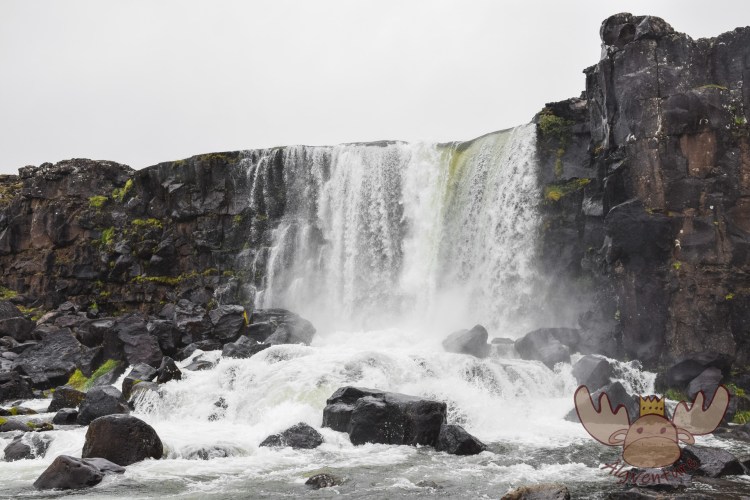
Þingvellir | Öxarárfoss 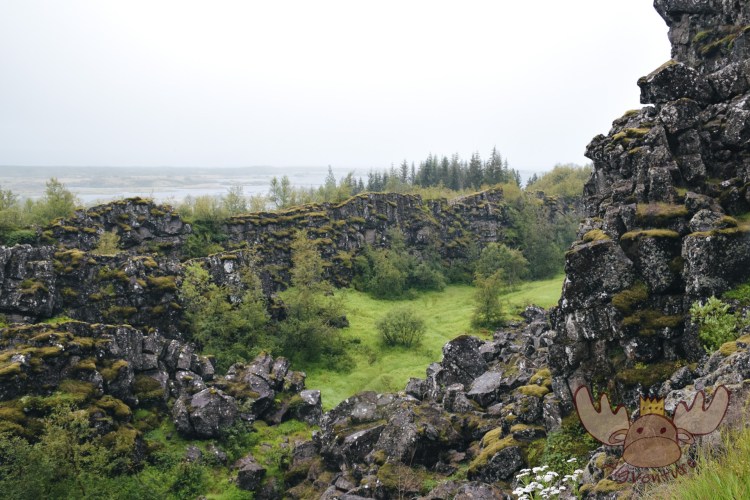
Þingvellir | Früher suchten die Menschen in diesen Tälern Schutz vor der Witterung wenn sie sich für das Alþingi versammelten. – In the past, people in these valleys sought shelter from the weather when they gathered for Alþingi. 
Þingvellir | Menschen haben oftmals die schlechte Angewohnheit Dinge und insbesondere Münzen in Brunnen oder andere Gewässer zu werfen. Dies ist natürlich ausdrücklich verboten. – People often have a bad habit of throwing things, especially coins, into fountains or other bodies of water. This is of course expressly forbidden.
We came to Iceland to find elves and banana plantations. We didn’t find any bananas (although these fruits are also grown here on a small scale), but we did find other tropical fruits: tomatoes! In Reykholt at Friðheimar, tomatoes, cucumbers, strawberries, raspberries and many other vegetables are grown here all year round. But how is that possible under these climatic conditions? The answer to this is again provided by Iceland’s special location – the earth’s primal power.
The volcanic activity not only heats the bathing water in the Blue Lagoon, but also the greenhouses. The rising water vapor is also used to generate electricity. This electricity in turn drives the (heat) lamps in the winter months, because due to the proximity to the Arctic Circle, it is either quite light all day or quite dark, depending on whether it is summer or winter.
According to the operators, their plant requires roughly the equivalent in electricity to a settlement of 3,000 inhabitants. In return, Friðheimar’s greenhouses produce 18% of the tomatoes eaten in Iceland. The 93 „Greenhouse Growers“ in Iceland can cover around 90% of Iceland’s demand for cucumbers and around 70% of its demand for tomatoes. But that’s not all. At Friðheimar, you can not only watch the tomatoes grow, you can also eat them straight away. In one of their greenhouses, tables are set up between the tomato plants and all kinds of dishes made from ripe Icelandic tomatoes can be eaten. As luck would have it, we were there just in time for lunch and we definitely didn’t miss this opportunity. Of course, we also had a drink made from tomatoes to go with it.
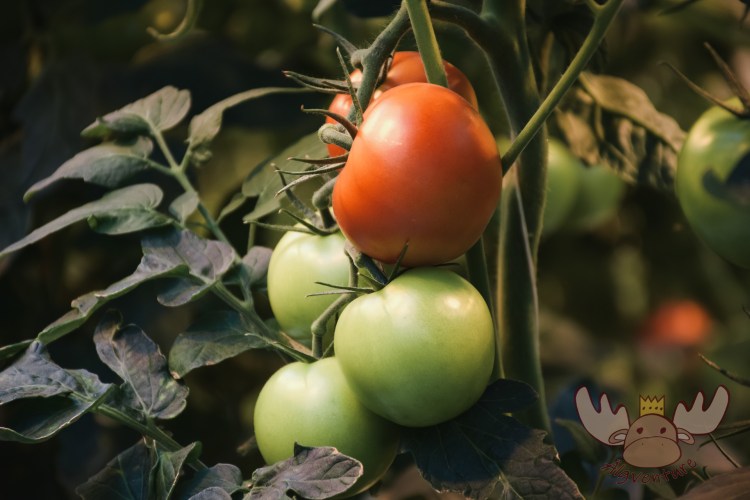
Friðheimar | Die Tomaten reifen mit der Kraft der Vulkane in Glashäusern. – The tomatoes ripen in glass houses using the power of volcanoes. 
Friðheimar | Wenn die Tomaten reif sind, können bis zu einer Tonne der Südfrüchte pro Tag in Friðheimar geerntet werden. – When the tomatoes are ripe, up to a ton of the tropical fruit can be harvested per day in Friðheimar. 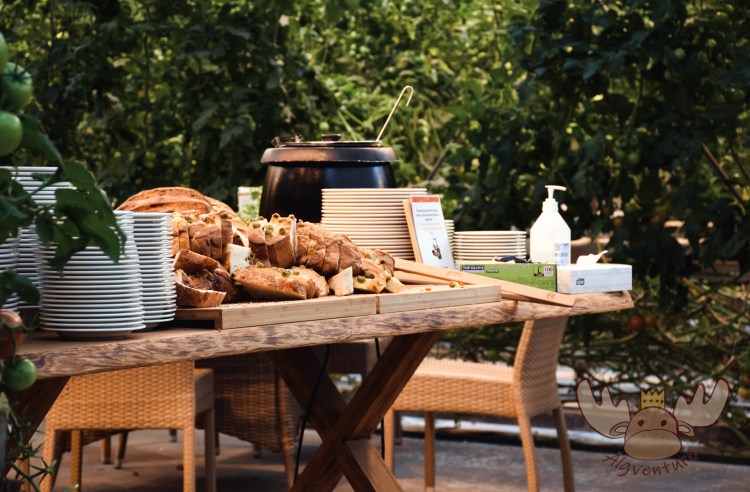
Friðheimar | Das Glashaus bietet ein einmaliges Ambiente um eine Frucht zu genießen, die man nicht in Island erwarten würde. – The Glasshouse offers a unique ambience to enjoy a fruit that you would not expect in Iceland. 
Friðheimar | Älgbert verkostet alle Produkte inmitten der Tomatenpflanzen. – Älgbert tastes all the products in the middle of the tomato plants. 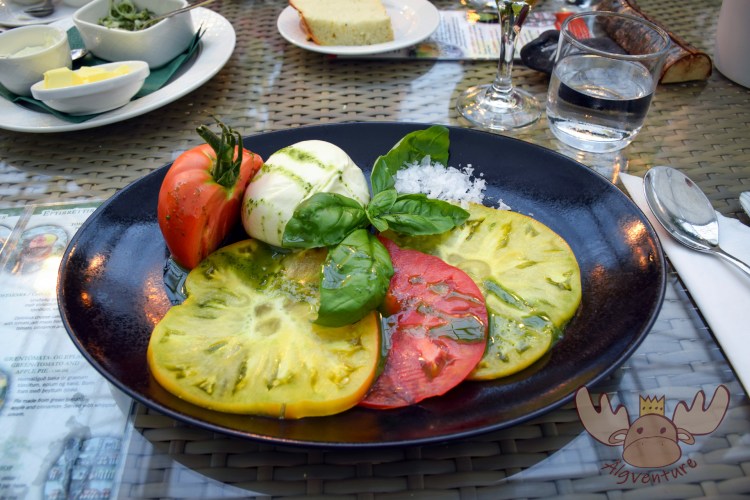
Friðheimar | Dies ist das Resultat der Arbeit Friðheimars und kann im angeschlossenen Restaurant verkostet werden. – This is the result of Friðheimar’s work and can be tasted in the attached restaurant.
With full bellies we continued our exploration. We headed for the next magical place. The Geysir – yes, THE Geysir – was our main curiosity today.
The name Geysir comes from the Great Geysir in Iceland. But its little brother, the Strukkur, is also remarkable because it spews a high fountain of water into the sky about every ten minutes. The air is saturated with water vapor and the smell of sulfur. An olfactory experience like a cesspool in winter. But this in no way detracts from the strange beauty of this natural spectacle.
Water is heated by a lava source below until the first steam bubbles form. These steam bubbles can continue to heat up and evaporate more and more water until a large steam bubble forms, which in turn rises and takes large amounts of water with it. The geyser erupts.
We spent a lot of time there again and watched several of these eruptions from different angles. Maybe we are not the benchmark in terms of length of stay, but we have limited understanding for some visitors who just go there quickly, take a photo and then immediately disappear from such unique places.
So this day, like the previous ones, passed far too quickly and we drove back to our accommodation in Reykjavik. The journey continues tomorrow. We want to explore the northwestern regions of Vesturland and Vestfirðir above the capital and, if possible, use our micro-camper again. Let’s see where we set up camp tomorrow.

Geysir | Älgbert beobachtet in sicherer Entfernung von einem nahegelegenen Hügel aus den spektakulären Ausbruch des Strokkur. – Älgbert watches the spectacular eruption of Strokkur from a safe distance from a nearby hill. 
Geysir | Der kleinere Strokkur gleich neben dem Großen Geysir bricht verlässlich in regelmäßigen kurzen Abständen aus. – The smaller Strokkur right next to the Great Geyser reliably erupts at regular, short intervals. 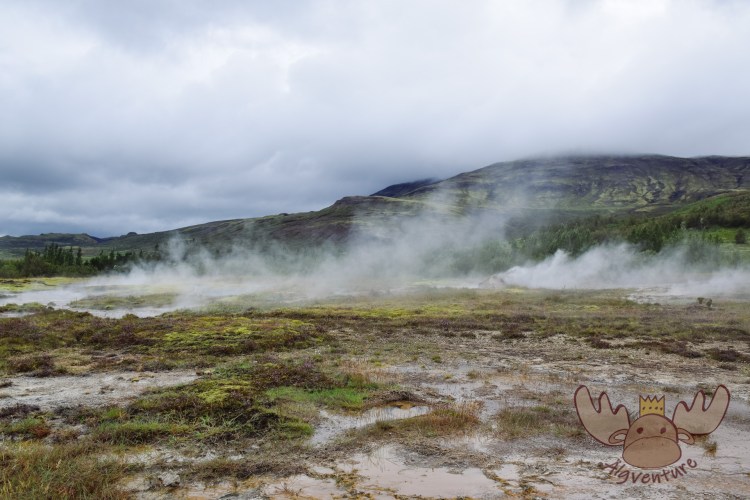
Geysir | Überall im hochaktiven Gebiet rund um die Geysire strömt Wasserdampf aus der Erde. – Water vapor flows out of the earth everywhere in the highly active area around the geysers. 
Geysir | Das geothermische Feld, in dem der Große Geysir liegt, erstreckt sich über eine Fläche von etwa 3 Quadratkilometer. – The geothermal field in which the Great Geyser lies covers an area of approximately 3 square kilometers. 
Geysir | Ein Geysir ist ein sehr fragiles Naturschauspiel und es dürfen unter keinen Umständen Gegenstände hineingeworfen werden. – A geyser is a very fragile natural phenomenon and under no circumstances should objects be thrown into it. 
Geysir | Dieser Warntafel sollte unbedingt Folge geleistet werden. – This warning sign should be strictly followed.
On the road again
Thursday, 06.August 2020
We said goodbye to Reykjavik today. We left the hustle and bustle of the big city behind us (yes, I had to smile when I wrote that) and we plunged into the unknown. This is one of our favorite ways of „planning“ our trips. Because we don’t really have a plan at the moment.
Of course we’ve put certain flags on our travel map, but we’re just going to let ourselves drift for the next few days. Today’s trip took us via Borgarnes to the Vesturland region. There we drove through the landscape without a real destination, because sometimes it’s better to just let yourself drift than to stubbornly follow a plan. The route led directly through the Snæfellsjökull National Park. We watched seals sunbathing (in the rain), discovered an amazing gorge (which we unfortunately couldn’t really explore because we didn’t have the necessary equipment – and because it had rained), got to know tranquil fishing villages, visited some picturesque churches in the area (unfortunately it rained there) and drove along adventurous roads to a lighthouse with a fantastic view of the sea (unfortunately it started to rain there too).
But one positive aspect was that there was surprisingly little wind today. For a change, the rain was vertical today instead of horizontal as usual. Nevertheless, it was another beautiful day in Iceland. We are happy to forgive the odd raindrop.

Snæfellsjökull | Die Straße zur Westspitze der Snæfellsnes Halbinsel mit dem Leuchtturm Svörtuloft ist nicht für jedes Fahrzeug geeignet. – The road to the western tip of the Snæfellsnes peninsula with the Svörtuloft lighthouse is not suitable for every vehicle. 
Snæfellsjökull | Rauðfeldsgjá ist eine in der Sommerzeit begehbare hohe und schmale Schlucht im Berg Botnsfjall auf der Halbinsel Snæfellsnes. – Rauðfeldsgjá is a high and narrow gorge in the Botnsfjall mountain on the Snæfellsnes peninsula that is accessible during the summer season. 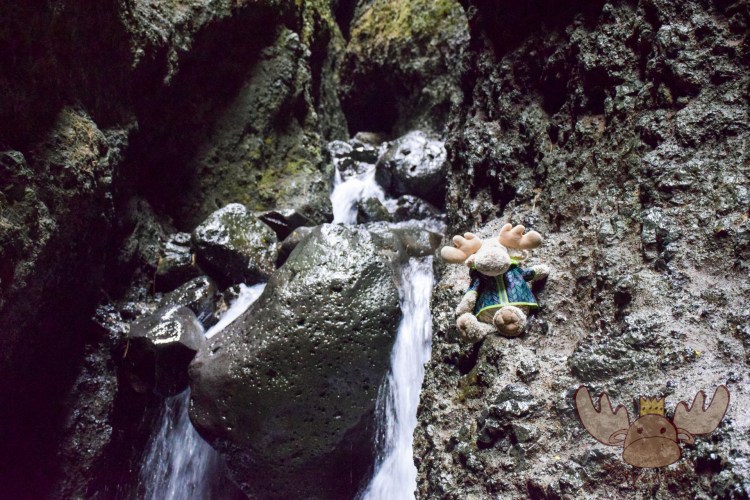
Snæfellsjökull | Älgbert klettert in die Schlucht Rauðfeldsgjá im Berg Botnsfjall auf der Halbinsel Snæfellsnes. – Älgbert climbs into the Rauðfeldsgjá gorge in Mount Botnsfjall on the Snæfellsnes peninsula. 
Snæfellsjökull | Zwei natürliche Felstürme aus vulkanischem Basaltgestein – die Lóndrangar – an der westlichen Südküste der Halbinsel Snæfellsnes. – Two natural rock towers made of volcanic basalt rock – the Lóndrangar – on the western south coast of the Snæfellsnes peninsula. 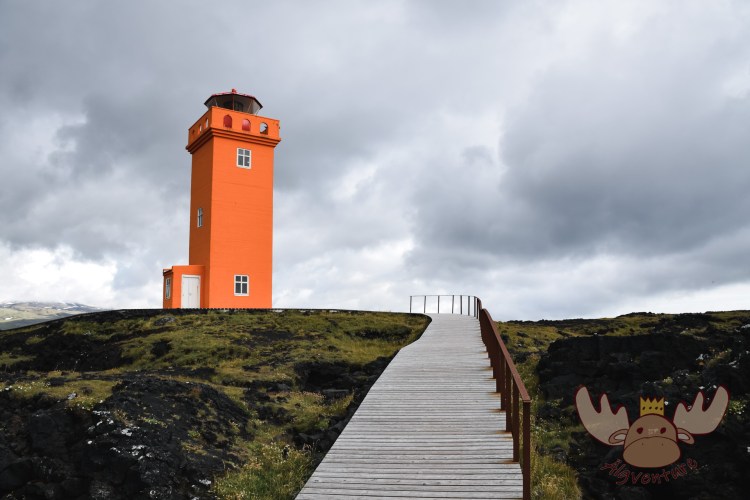
Snæfellsjökull | Am Westende der Halbinsel Snæfellsjökull erhebt sich der orange Leuchtturm Svörtuloft am Rande der rauen Klippen. – At the western end of the Snæfellsjökull peninsula, the orange Svörtuloft lighthouse rises from the edge of the rugged cliffs.
Tonight we’re going camping again 🙂 We found a small and nice campsite in the small town of Ólafsvík. The system is pretty simple. You arrive at the campsite, choose a spot and wait for the groundskeeper. He makes his rounds at 9 p.m. and collects the fee. In our case it’s 3000 ISK (about 19 euros) for one night for a car and two people. By comparison, a night in an Icelandic hotel also costs at least 50 euros per person, usually with shared bathrooms. The groundskeeper at this campsite is also German, which makes communication a lot easier.
We’ll see how we get on tonight. In any case, we’re looking forward to tomorrow, because then we’re heading even further north to the Vestfirðir region.
Einbreið Brú
Friday, 07.August 2020
There is no motorway in Iceland. The proportion of paved and asphalted roads is also in the minority compared to gravel roads. Even on the well-developed Ring Road, which, by the way, is the most important traffic route in Iceland and has only been completely paved since 2019, there are always single-lane bridges – Einbreið Brú.
Therefore, it is always advisable to keep your eyes open, because these Einbreið Brú can just appear out of nowhere. In general, the road network is by no means comparable to Central Europe. This is probably also due to the fact that the population of the already few Icelanders is very unevenly distributed. About two thirds of Icelanders live in or around Reykjavik. There, the roads are very comparable to small Central European towns.

Vestfirðir | Viele Brücken sind nur einspurig ausgebaut. – Many bridges only have one lane. 
Vestfirðir | In Vestfirðir leben mehr Schafe als Menschen. – There are more sheep than people in Vestfirðir. 
Vestfirðir | Auf den Straßen Vestfirðirs wird das Auto auf alle Fälle etwas dreckig. – The car will definitely get a little dirty on the streets of Vestfirðir. 
Vestfirðir | Toyota Hilux 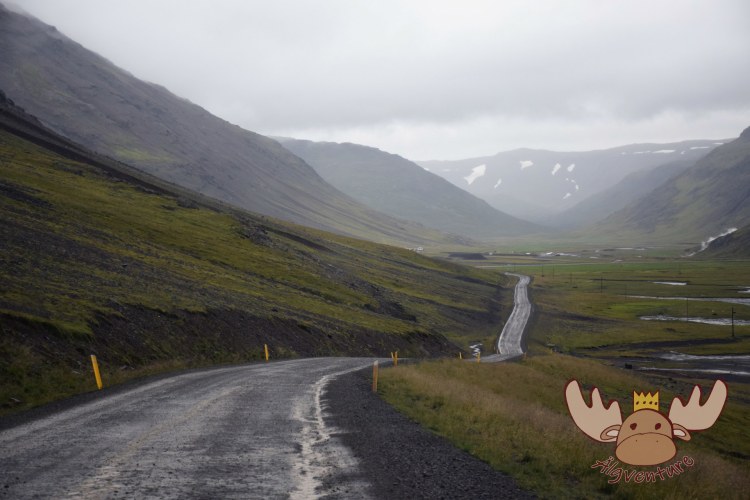
Vestfirðir | Gerade die Straßen auf der Südseite der Halbinsel sind meistens nicht asphaltiert. – The roads on the south side of the peninsula in particular are mostly not asphalted.
This is definitely not the case in the sparsely populated regions, such as Vestfirðir. Of course, we planned our route in advance before we set off for Iceland. But our constant travel companion – the rain – made our exploratory trip to the Westfjords a difficult affair. In this region there are almost exclusively unpaved roads. Due to the constant rain, these roads are very soft and partially washed through by the flow of water. With our motorhome, the trip came to an end after almost three hours when the road became impassable with thousands of potholes. The mud splashed as we drove and soon covered the entire vehicle. There was also further collateral damage, because the constant bombardment of tiny stones has now partially sandblasted the sill of our motorhome. It looks as if our Vectra will have to be restored after the trip. We didn’t want to subject our faithful travel companion, or ourselves, to any further hardships caused by more potholed roads, so we drove on to Hvammstangi, where we found a great campsite and a great fish restaurant.

Vestfirðir | So sieht das Ergebnis aus, wenn man isländische Straßen bei Regen befahren möchte. – This is what the result looks like if you want to drive on Icelandic roads in the rain. 
Island | Materialabnutzung – Material wear 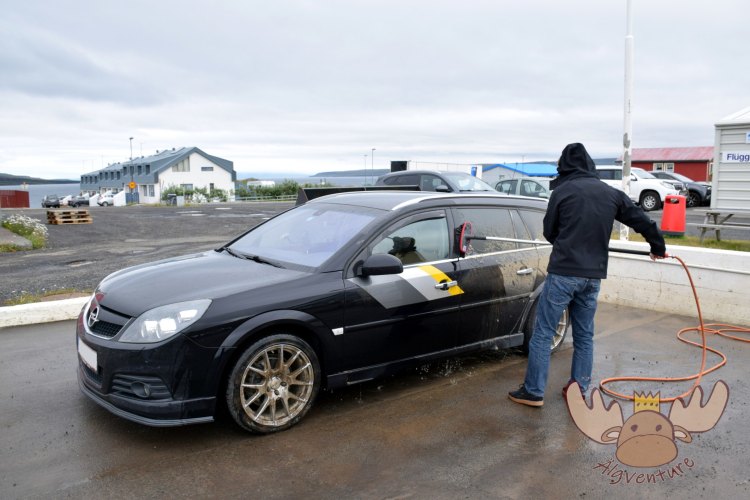
Island | Wohlverdiente Wäsche nach einer anstrengenden Fahrt über isländische Straßen. – Well-deserved car wash after a tiring drive on Icelandic roads.
Our detour to the Westfjords was far too short. We didn’t see everything by far, but as we have unfortunately already discovered, our current motorhome is not suitable for some regions of Iceland in these weather conditions. We have no choice but to return with heavier equipment in the near future and explore the blank spots on our Icelandic travel map – until then, we prefer to stick to the easier routes.
Salted herring
Saturday, 08.August 2020
This morning we still had to pay our campsite fee, as we had gone to a fish restaurant yesterday rather than wait for the caretaker. At 10:30 a.m. there was still no one in the caretaker’s hut, so we decided to just call the telephone number posted there. Someone answered and after we were able to say that we still had an outstanding bill that we would like to pay, after about 15 minutes someone came and introduced himself as „You were the one who called?“ With a friendly „Yup“ he told us the amount and with one swipe (of a credit card) we were debt-free. When we commented that others would also like to pay, the man with the card reader simply said that he would actually not be at the campsite for another quarter of an hour, got into his car and drove off. The Icelanders trust that the others will also wait nicely until they have paid.
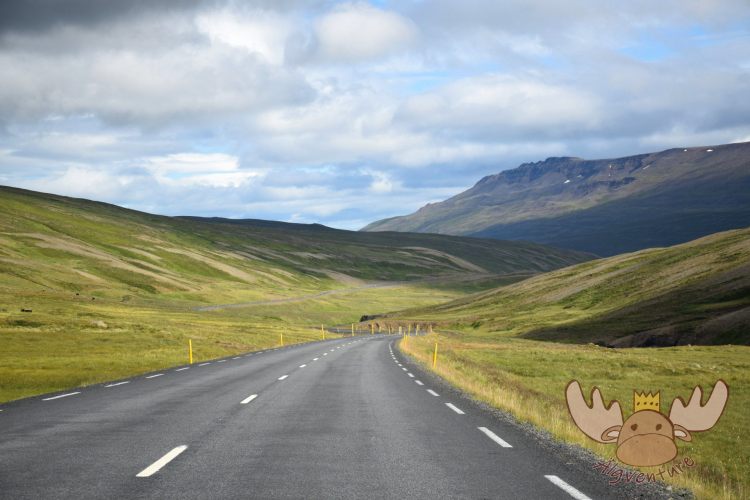
We moved on. After yesterday’s bumpy ride, we wanted to have nothing but nice, flat asphalt under our tires today. And that worked – almost. The reason we came to Iceland is to see as much of this country as possible, which is only slightly larger than Austria. It is therefore necessary to leave the perfectly developed ring road every now and then and drive on side roads that are not quite as well developed. In Iceland there is a rule of thumb that must be observed when driving through the country. The more numbered digits the road has, the worse it is developed.
For example, the ring road has the number 1. This means that the road conditions are good, like in Austria or Germany. A road with two digits – such as road 76 – means that it is a regional main road. The first digit – here 7 – indicates the region you are currently in and the second digit is simply a sequential numbering. The quality of the road surface here is still reasonably good, but you should be prepared for surprises. Exceptions prove the rule here too.
Road 60, which we drove on yesterday, was an absolute disaster due to the fact that it was not asphalted and because of the rain… Three-digit roads are almost like a minefield and are actually never asphalted all the way through. Driving on these requires courage, skill and of course a suitable vehicle. And if there’s an „F“ in front of it… Without four-wheel drive, a minimum wading depth of 1.5m and a lot of faith in God, these roads are impossible to master. The map on the vegagerdin.is website gives a good overview.
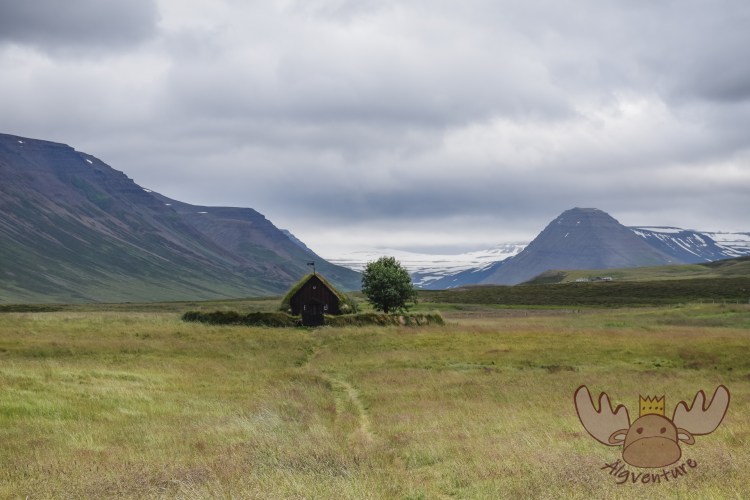
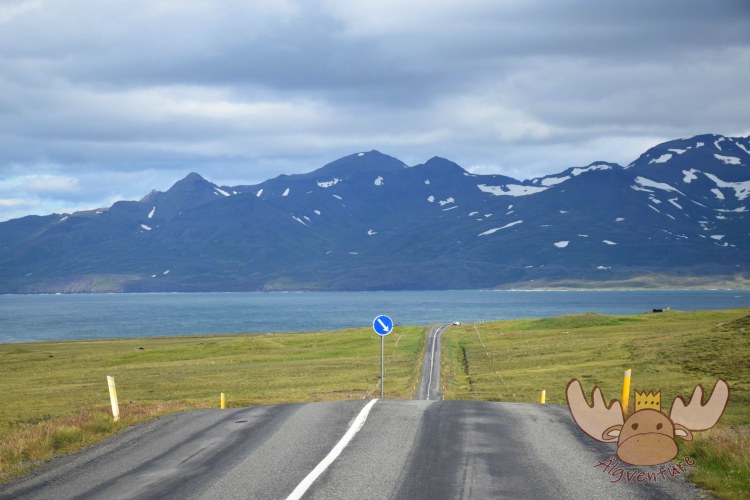
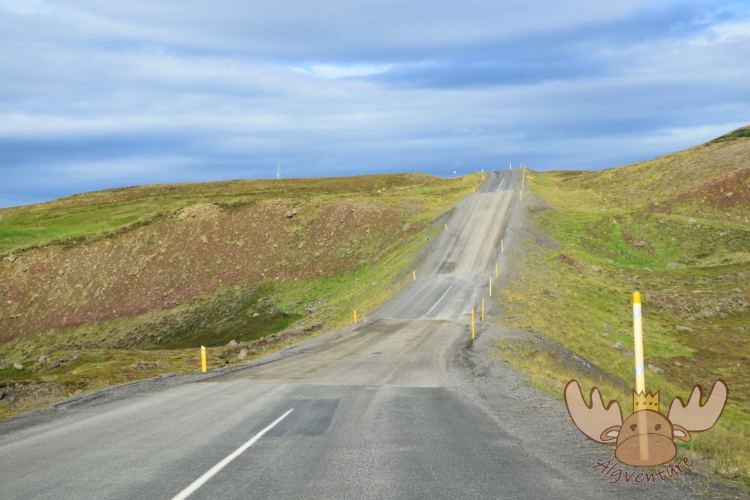
We drove along road 76 past the Grafarkirkja to Siglufjörður, the former world capital of salted herring. At the height of fishing, the town had over 3000 inhabitants (today only around 1200). That may not sound like a lot, but you should also know that 500-600 fishing vessels often moored in the fjord to seek shelter from storms, for example. The crews all disembarked in Siglufjörður and spent one or two boozy evenings in the bars that were plentiful at the time.
An Icelandic proverb even says that you should go to Siglufjörður because there is a very high probability of finding your future spouse there. There is not much left of the hustle and bustle of that time. The local Herring Fishing Museum is a silent witness to this dazzling time. The life of the fishermen and herring girls has been illustrated with great attention to detail using exhibits in several buildings. If you happen to be nearby, we think you should pay the small museum a visit.

Síldarminjasafn Íslands | Das Museum ist auf mehrere historische Gebäude aufgeteilt. – The museum is housed in several historical buildings. 
Síldarminjasafn Íslands | 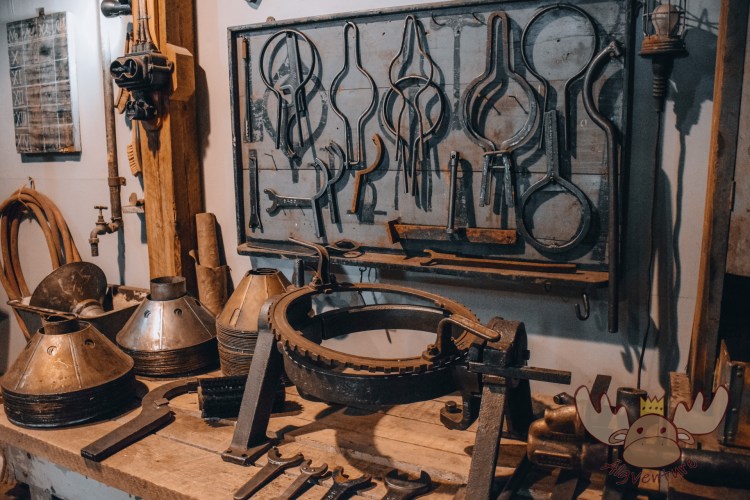
Síldarminjasafn Íslands | 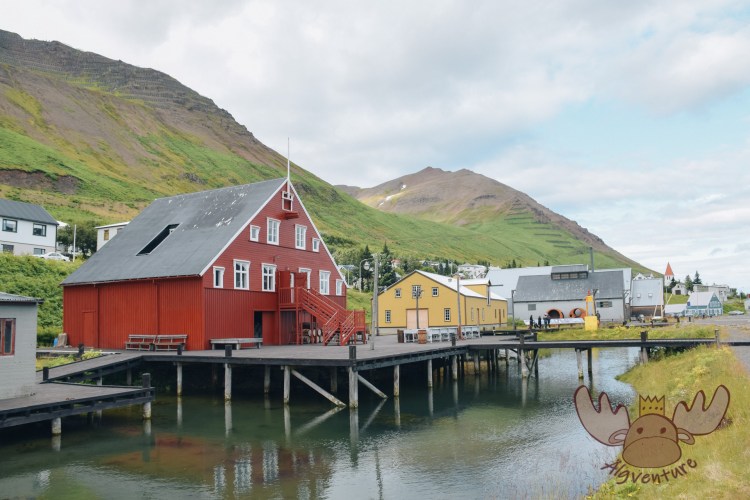
Síldarminjasafn Íslands | Im alten Wohnheim, Verpackungshaus und Maschinenraum des Hafens von Siglufjörður ist das Museum untergebracht. – The museum is housed in the old dormitory, packing house and engine room of the port of Siglufjörður.
The next point on the plan was actually to visit one of the many Icelandic breweries. You would be amazed at the variety of Icelandic beer. For a detailed field study, one or two of these hop juice bottles were included in the travel provisions in Reykjavik and some other Vínbúðin along the way. The choice for a visit fell on the small Bruggsmiðjan Kaldi brewery in Litli-Árskógssandur. Unfortunately, the visit was not possible because it was closed. We had already completely lost track of time in Iceland and unfortunately forgot that today was Saturday. So the visit was postponed until later.
Now, of course, the question arose as to what to do next. We were only a few kilometers from Akureyri. We had booked a hotel there in advance, but only from tomorrow. Nevertheless, we tried our luck and drove there to ask if a room was available that evening. Unfortunately, to no avail…
After a quick internet search (about ten seconds), we found a campsite nearby that seemed perfect for our micro-camper. However, due to the current situation, capacity is very limited, so we were directed to another site. So we drove the short 30 minutes and found a quiet place to camp for the night. So the day of salted herring ended, unfortunately without beer but with apple sparkling wine from home, in a great spot next to a rushing river. Tomorrow we’re going to see large mammals – we’re excited.
Mammal Day – Part 1
Sunday, 09.August 2020
Today we went to the whale capital of Iceland – Húsavík. Nowhere else in Iceland can you see so many whales than here in the surrounding fjords. However, we were not here to get in a boat and follow the marine mammals – no – we’ll do that tomorrow. Before that, we had to gather important information and where better to do that than at the Whale Museum in Húsavík.
The Icelandic whale species are not only explained here using information boards, but some real whale skeletons are also on display. This gives visitors a better idea of how big these gentle giants really are.
Another focus of the exhibition is whaling, which used to be very important for Iceland. In the 19th and early 20th centuries, commercial whaling was an important economic pillar. This led to some species being hunted almost to extinction. Unfortunately, Iceland has not yet banned whaling, but has at least suspended it for these years. The situation is different on the Faroe Islands, where the Grindadráp, or pilot whale hunt, has just begun. An average of 800 pilot whales are caught and killed in this hunt every year. To outsiders this may look very brutal, but for the Faroese it is a form of hunting and also a part of their identity. Pilot whale hunting has been practiced on the Faroe Islands since the Vikings and used to be an important part of obtaining food.

Húsavík | Die Holzkirche von Húsavík zählt zu den schönsten Islands und ist eines der meistfotografiertesten Gebäude des Landes. – The wooden church of Húsavík is one of the most beautiful in Iceland and one of the most photographed buildings in the country. 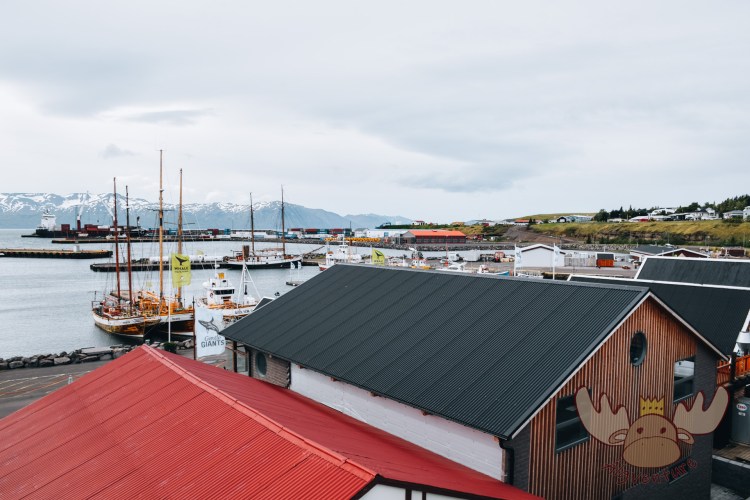
Húsavík | Wo sich einst viele Walfangschiffe im Hafen von Húsavík tummelten, liegen heute hauptsächlich kleinere Fischerboote und Ausflugsschiffe. – Where there were once many whaling ships in the harbor of Húsavík, today there are mainly smaller fishing boats and excursion ships. 
Húsavík | Im Museum werden die Unterschiede und Gemeinsamkeiten der Wal- und Delfinarten den Besuchern näher gebracht. – In the museum, the differences and similarities between whale and dolphin species are explained to visitors. 
Húsavík | Der Größenvergleich zwischen Wal und Reiseälg fällt eindeutig zugunsten des Meeressäugers aus. – The size comparison between whale and our traveling Älg is clearly in favor of the marine mammal. 
Húsavík | Der Wal fand einen natürlichen Tod und wurde nahe des Museums an den Strand gespült. – The whale died of natural causes and was washed up on the beach near the museum. 
Húsavík | In der liebevoll handgemalten Landkarte Islands sind alle wichtigen Sehenswürdigkeiten Islands verzeichnet. – All of Iceland’s important sights are listed on the lovingly hand-painted map of Iceland. 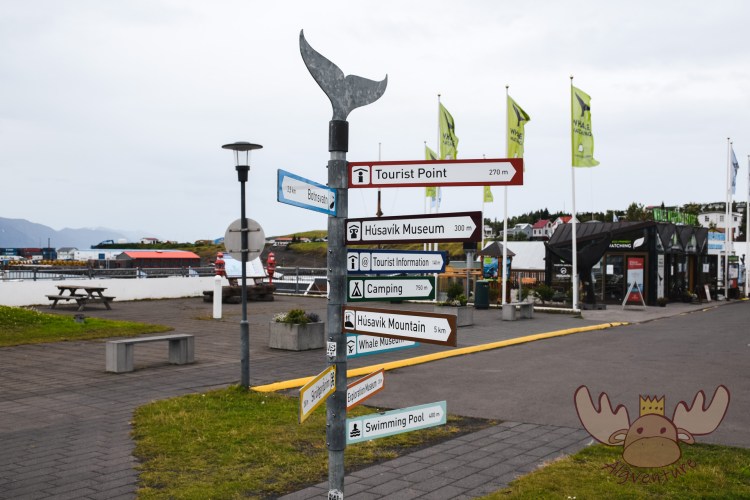
Húsavík | Der Wegweiser zu allen wichtigen Sehenswürdigkeiten des kleinen Fischerortes. – The guide to all the important sights of the small fishing town.
In Iceland, money is made from whales in a different way. Here, many different companies go out to sea with their boats packed with tourists. The hunt here is limited exclusively to the hunt for the best snapshots. But we won’t get to that until tomorrow.
In the Ystafell Transportation Museum, rare examples of Icelandic mobility history should actually be on display, but here too, due to the current situation, the message is „Unfortunately, we have to stay outside“. However, the scrap yard behind the exhibition hall, disguised as a storage facility, gave us an idea of what was waiting for us in the halls. Rare to very rare treasures slumbered in a deep sleep, just waiting to be awakened. The thoughts in the heads of the Älg companions couldn’t be more different. One just wondered why they hadn’t come with a trailer straight away, while the other just thought what a pile of junk this was.
The Älg didn’t really care. He didn’t come to the island for any cars in Icelandic warehouses anyway. He wants to explore the country. So off to the next waterfall!
The sheer number is unbelievable. You would think that every 100 meters in Iceland there is a waterfall falling from a mountain edge. The Goðafoss impresses with the amount of water that plunges into the depths here.
Goðafoss means something like waterfall of the gods. The name is derived from the legend that the pagan law speaker Thorgeir Thorkelsson, after deciding after long deliberations to ratify Christianity by law, threw the former pagan idols into what is now a popular tourist attraction. There were two good reasons for this serious decision. Firstly, Iceland was under the jurisdiction of Norway, whose king had converted in 988. Secondly, many Icelanders wanted to follow their king’s example and convert as well, which would inevitably have led to civil war. So it was more of a practical decision than a real question of faith. The decision was supplemented by another provision. Icelanders were allowed to continue worshipping the Norse gods, as long as they did so in secret. This was eventually banned, but it shows how strongly many Icelanders believed in the gods of Norse mythology at the time. After the Christian church took full control of church affairs and the judiciary, further profound changes took place in Iceland. Firstly, the killing of children was banned by law, and secondly, horse meat was no longer allowed to be eaten. These were definitely examples of two good decisions made in the name of the Christian god. Iceland is now a Protestant country, but the mythological remnants still have great influence and historical relevance in many areas of Icelandic culture.
Tomorrow the journey continues with part two of our marine mammal adventure. A boat trip out to see the large mammals is planned. Maybe this time we will be lucky and can consume a fresh hoppy drink on the way back.

Goðafoss | Der Goðafoss ist einer der bekanntesten Wasserfälle Islands und ein Anziehungspunkt für viele Besucher. – Goðafoss is one of Iceland’s most famous waterfalls and an attraction for many visitors. 
Goðafoss | Panorama 
Goðafoss 
Goðafoss | Der Goðafoss ist der wichtigste Wasserfall im Norden Islands und sollte unbedingt besichtigt werden, falls man in der Nähe von Akureyri ist. – Goðafoss is the most important waterfall in the north of Iceland and should definitely be visited if you are near Akureyri.
Mammal Day – Part 2
Monday, 10.August 2020
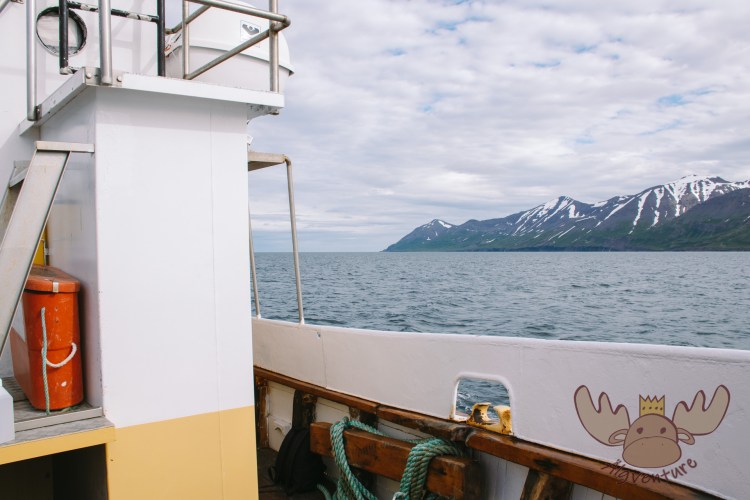
Today was the day. We went out to sea to hunt whales – of course only with our cameras. We arrived at the dock in Hauganes at 9:05 am on time. After a quick check of our reservation, we were off. Everyone was put into a fashionable survival suit and we were able to board the ship.
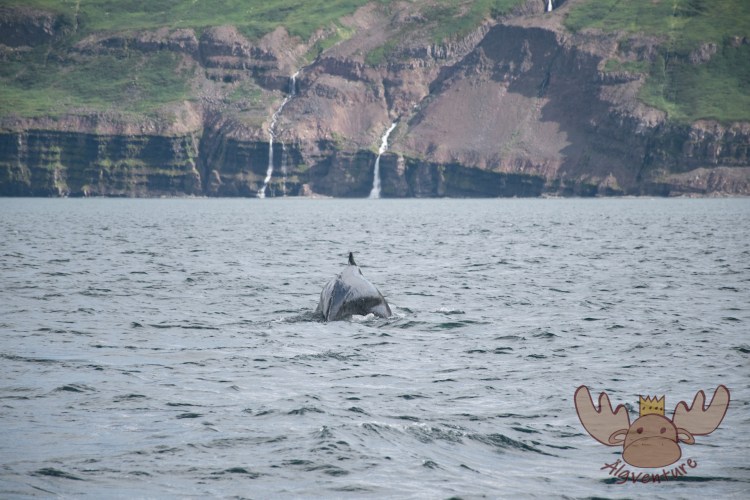
The whales are very graceful and impressive creatures despite their size. When they exhale, a 1-3 meter high blow (that’s what the fountain that comes out of the whale’s blowhole is called) is spewed upwards with a loud noise. This is also the first sign that a whale is located. Normally, a whale comes to the surface on average about three times to breathe before starting a deep dive and completely disappearing from our eyes for about 5-10 minutes before having to breathe again. When a blow was spotted, the captain of our small whale watching boat started the engines and rushed in that direction. The whale probably didn’t like that very much. Perhaps he felt disturbed during his breakfast, because he tried to avoid us with zigzag maneuvers. He appeared on the port side once, then again on the starboard side. The observers who were on board kept rushing back and forth in the same manner. Both were a great spectacle. The Älg companion actually didn’t want to get off the ship and go for another ride, but it was now time to clear the deck and leave it to the next group.
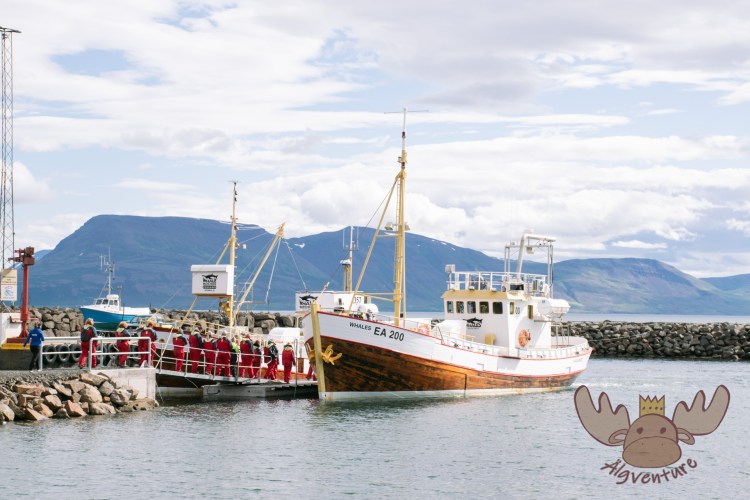


Everything could have been so beautiful after that. How much the Älg and his companion would have been looking forward to the small Kaldi brewery to try one or two hop drinks and watch the brewing process. But it was closed that day too, so the planned visit to the restaurant in the neighboring Bjórböðin was also not possible. Well, it’s nobody’s fault if we don’t check the opening times – one of the few faux pas that can happen. So again our plan for the day didn’t work out as hoped and we had to look for alternatives. Fortunately, there are more than enough of them around Akureyri.
It cannot be fully clarified whether our Christmas-loving Älg or the Älg companion really wanted to go to the Christmas House in Hrafnagilshverfi. In any case, the fact is that we went there. For the life of us, we cannot imagine that a traditional Icelandic Christmas would look like the one depicted there. The Christmas goods on display and for sale there were more of the complete kitsch variety. Everything was pink, glittery and very, very unusual. Or would you hang a bright pink chocolate cake decorated with glitter and feathers on the Christmas tree? We certainly wouldn’t, so we moved on with a small felt Christmas sheep for our Christmas tree.
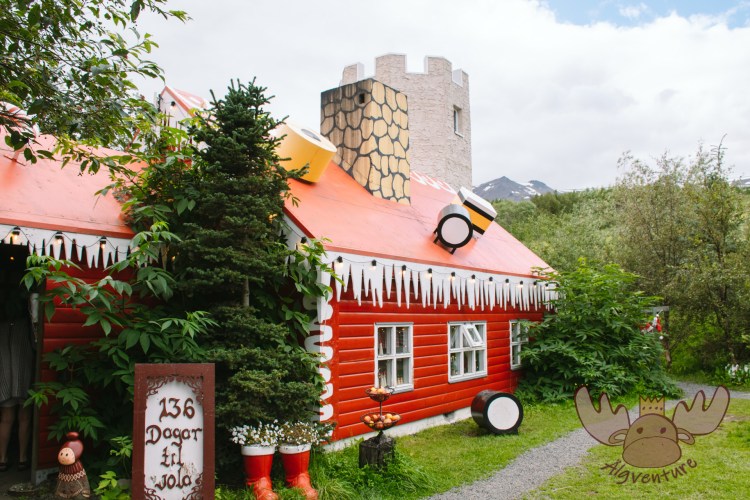
Jólahúsið | In den weihnachtlich dekorierten kleinen Häusern wird alles rund um das Weihnachtsfest angeboten. – Everything related to Christmas is offered in the small decorated houses. 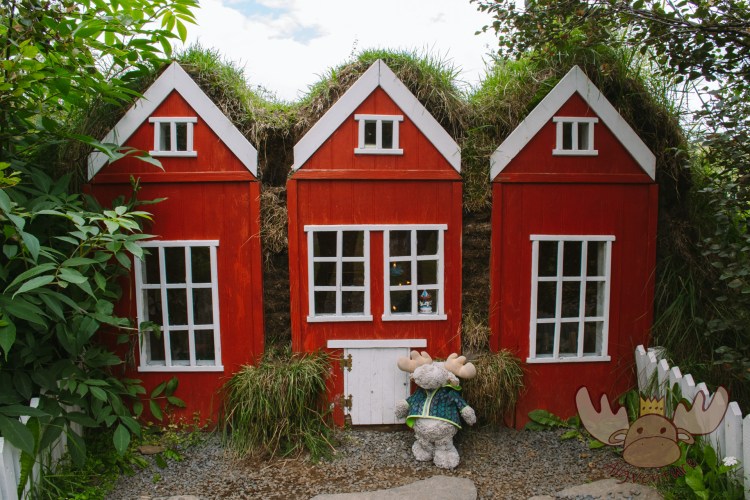
Jólahúsið | Auf dem Gelände befindet sich sogar ein kleines Bed&Breakfast für durchreisende Elfen und Weihnachtsälgs. – There is even a small bed and breakfast on site for traveling elves and Älgs. 
Jólahúsið | Die Auswahl der Weihnachtsdekoration reicht von traditionell bis kitschig. Uns war bei unserem Besuch jedoch nicht ersichtlich, ob das Angebot eher Einheimische oder Touristen ansprechen sollte. – The selection of Christmas decorations ranges from traditional to kitschy. During our visit, however, it was not clear to us whether the offer was intended to appeal more to locals or tourists. 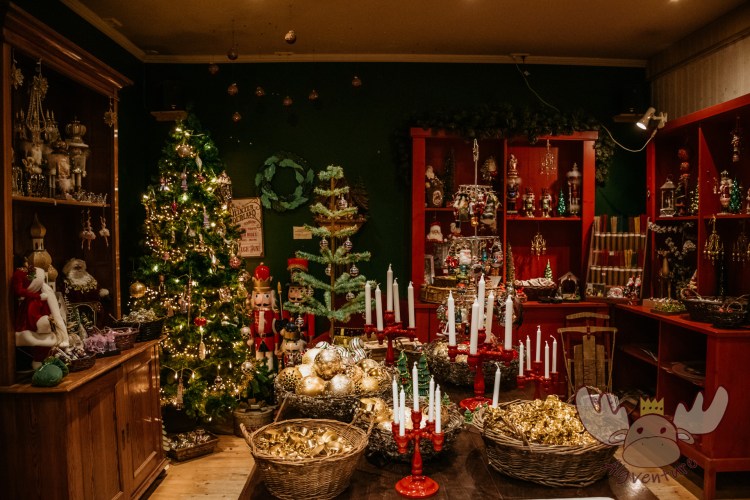
Jólahúsið | Die Auswahl der Weihnachtsdekoration reicht von traditionell bis kitschig. Uns war bei unserem Besuch jedoch nicht ersichtlich, ob das Angebot eher Einheimische oder Touristen ansprechen sollte. – The selection of Christmas decorations ranges from traditional to kitschy. During our visit, however, it was not clear to us whether the offer was intended to appeal more to locals or tourists.
We are currently staying in the city of Akureyri and have not yet had the opportunity to explore it. This situation obviously had to be changed as quickly as possible, because the small Icelandic metropolis with just under 19,000 inhabitants (the rest of Iceland lives here) has a lot to offer. Would you have expected a botanical garden in these latitudes? All kinds of plants from many corners of the world are planted there and invite visitors to immerse themselves in a relaxing world of flowers. After exploring the church and the cultural center, we were very hungry, because with foresight – we all know the episode of Alpine People Against the Sea – we had skipped breakfast. We enjoyed the pork ribs and chicken legs Icelandic style in the Bryggjan restaurant all the more. We also enjoyed the cool Icelandic beer from the Kaldi brewery. So the evening ended on a great note. Tomorrow we will immerse ourselves again in the magical landscape of Iceland and explore the area around Mývatn on foot.

Lystigarður Akureyrar | Das kleine ehemalige Gärtnerhäuschen inmitten der vielen Blumen bietet ein schönes Fotomotiv. – The small former gardener’s house in the middle of the many flowers offers a nice photo opportunity. 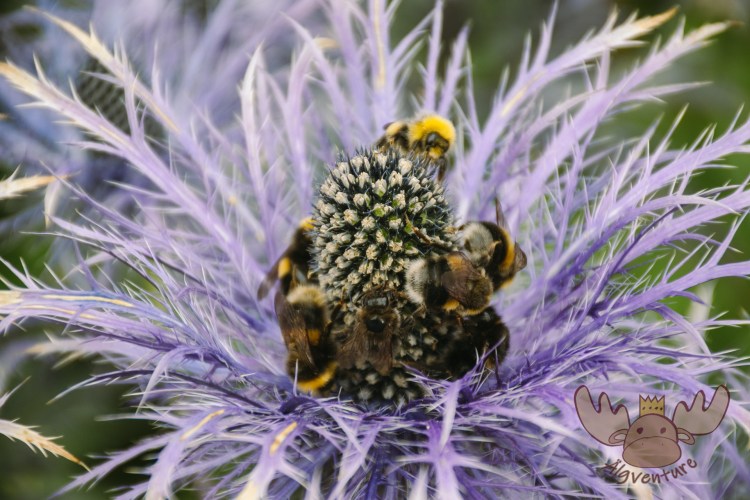
Lystigarður Akureyrar | Die Hummeln erfreuen sich an einer Mannstreu-Blüte – The bumblebees enjoy an Eryngium flower 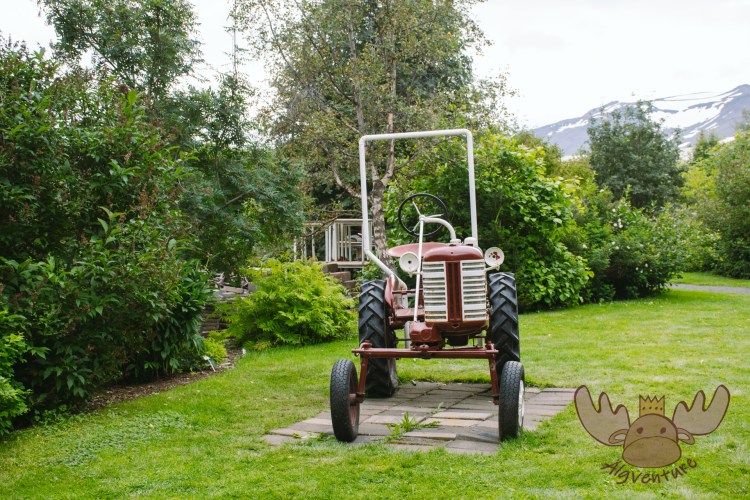
Lystigarður Akureyrar | IHC McCormick Farmall Cub 
Lystigarður Akureyrar | In den Gewächshäusern kümmern sich die Angestellten um die Pflanzen. – In the greenhouses, the employees take care of the plants. 
Lystigarður Akureyrar | Büste von Jón Rögnvaldsson – Bust of Jón Rögnvaldsson 
Lystigarður Akureyrar | Mittagsblume – Livingstone daisy
Blooming dead land
Tuesday, 11.August 2020
How contradictory a country can be. The land of fire and ice. Mývatn is a volcanic lake with a geothermally heated lagoon and a seemingly endless number of wild birds. The active Krafla volcano is located nearby, although it is actually an entire volcanic system with a total length of around 100 kilometers. The lava fields there are still warm and degassing. It is therefore not surprising that geothermal activity also occurs there, but not as spectacularly as at Geysir or Strukkur. Here, too, sulphurous clouds of steam drift over the land, but the masses of water spat out are limited to a slight bubbling in the gray-blue mud that smells of rotten eggs.
Water can seep through cracks in the ground and after a few hundred meters it hits the Krafla volcanic system. There it is heated up to a high level, so that it evaporates and rises again. On the way, the water vapor dissolves sulfur compounds, which in turn can turn into sulfuric acid and dissolve the surrounding stone. This dissolved stone in turn ultimately forms the gray-blue mud.
The mud bubbling holes are still fascinating to look at, even if they don’t spew meter-high fountains. However, you have to get used to the olfactory pleasure again and again. Now we wanted to get to the bottom of it all and climb the central volcano of the Krafla system. This is an active volcano and is tapped for Icelandic electricity production. The summit seems so peaceful, but you should not forget that it only last erupted in 1984. On the way to the summit we discovered a curiosity: a shower by the side of the road. A shower head and a sink fed with volcanically heated water have been installed in a parking lot next to the road.

Krafla | Die ewige Dusche an der Zufahrtsstraße zum Krafla. – The eternal shower on the access road to Krafla. 
Krafla | Das heiße Wasser wird mit Hilfe von Rohrleitungen zum Kraftwerk geleitet. – The hot water is piped to the power plant. 
Krafla | Das Vulkansystem des Krafla wird intensiv zur Energiegewinnung genutzt. – The Krafla volcanic system is used intensively to generate energy. 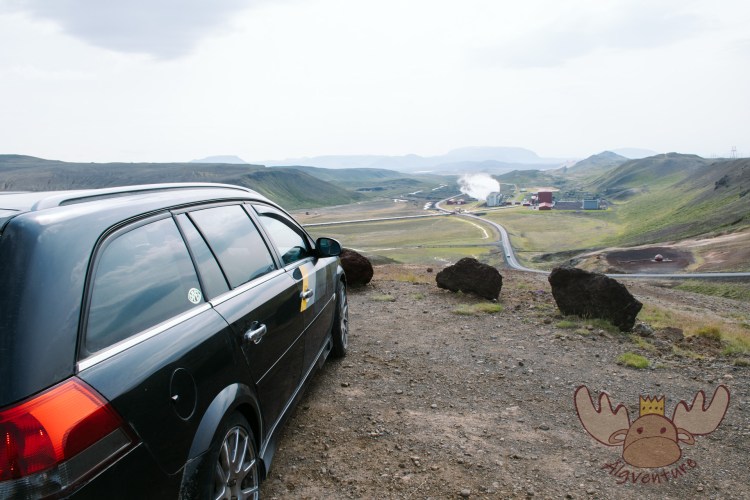
Krafla | Die Zufahrtsstraße führt direkt am Krafla-Kraftwerk vorbei. – The access road leads directly past the Krafla power plant. 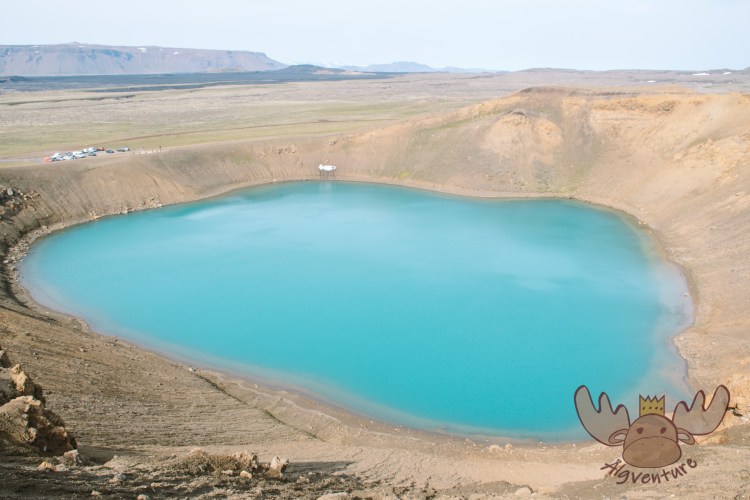
Krafla | Um den wunderschönen blauen See in der Mitte des Kraters führt ein Wanderweg. – A hiking trail leads around the beautiful blue lake in the middle of the crater. 
Krafla | Das Gebiet im Bereich des Zentralvulkans gilt als eines der interessantesten Wandergebiete Islands. – The area around the central volcano is considered one of the most interesting hiking areas in Iceland.
After a refreshment, prepared in our micro-camper of course, we continued on to the Grjótagjá cave. A wonderful little cave that might look familiar to some (keyword Fire&Ice). Until not so long ago, visitors could bathe in water that was over 40°C – unfortunately this is no longer permitted. The space available there would probably not be enough for a normal rush of tourists anyway.
After this short trip underground, it was time for us to go up again. We wanted to climb Hverfjall, which is also part of the Krafla system. As is usual in Iceland, a parking lot is built in front of every tourist attraction so that every beautiful spot can be reached easily. But it seems to us that something is sometimes forgotten on the roads. Not that we want smooth highways everywhere – quite the opposite. But some „roads“ are a bit adventurous. Today, due to the curved surface of the access road to Hverfjall, the right front shock absorber must have said goodbye. We are not sure if he is sweating from fear or crying from pain, but the liquid that should be inside the shock absorber is slowly spreading to the outside. We have no choice but to monitor the situation and console our brave shock absorber. The view from the crater rim was once again breathtaking. We probably use this word far too often to describe our experiences in Iceland, but it is the most accurate. At first we are breathless due to our lack of fitness, but that is another story. The very first thing we do when we reach the summit is to stop for a few moments and enjoy the moment and the view.

Grjótagjá 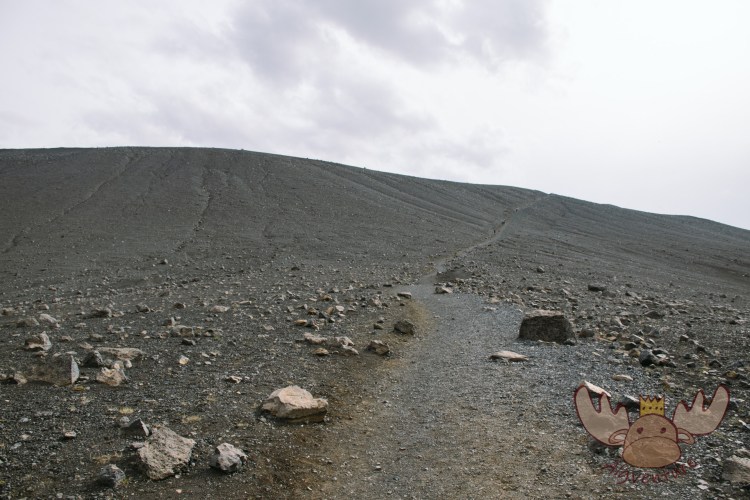
Hverfjall | Der Vulkankrater Hverfjall ist 396 Meter hoch und ist Teil des Kravla-Vulkansystems. – The Hverfjall volcanic crater is 396 meters high and is part of the Kravla volcanic system. 
Hverfjall | Vom Gipfel hat man einen schönen Rundumblick über die Vulkanlandschaft. – From the summit you have a beautiful panoramic view of the volcanic landscape. 
Hverfjall | Nach dem steilen Aufstieg kam sogar Älgbert ins Schwitzen. – After the steep climb, even Älgbert started to sweat. 
Hverfjall | Der Krater hat einen Durchmesser von etwa 1000 Metern. – The crater has a diameter of around 1000 meters. 
Hverfjall | Mývatn 
Hverfjall | Reykjahlíð, Mývatn 
Hverfjall | Am Fuße des Vulkans befindet sich ein Besucherparkplatz der über eine Schotterstraße auch für Wohnmobile leicht erreichbar ist. – At the foot of the volcano there is a visitor parking lot which is also easily accessible for mobile homes via a gravel road
Today, at the Hverir geothermal area, which is known for the bubbling mud pools and steaming fumaroles from which sulphur gas escapes, we saw how dead a land that is volcanically active can look. The escaping sulphur fumes turn the earth a poisonous yellow-green and kill all plant growth. Using the example of the extinct Hverfjall, we saw what the dust and desert landscape that followed looked like. But in the Dimmuborgir lava field, close to the Hverfall, the attentive visitor can see how full of life this unreal-looking world can be. In this hiking and nature reserve, the vegetation ranges from pioneers such as lichens and mosses to dense shrubs and trees. Anyone who walks through the unreal-looking landscape with their eyes and ears open will quickly notice how full of life it is. Most of the time you notice it because of the very annoying flies and mosquitoes, but every now and then you can spot birds and other animals between the lava stones. After hiking a few kilometers, it was unfortunately time to head back to Akureyri far too soon. Unfortunately, our time in Iceland is coming to an end much too soon. It is far too soon for us to leave this beautiful island. But before that, we wanted to stock up on some new favorite specialties that we can happily bring back to our friends who stayed at home to give them at least a little taste of what they have experienced from afar. Tomorrow we will be going on another and unfortunately last exploratory tour to the northeast of Iceland before we set up our last camp for the night at Egilsstaðir before we continue on to the Faroe Islands.

Námafjall Hverir 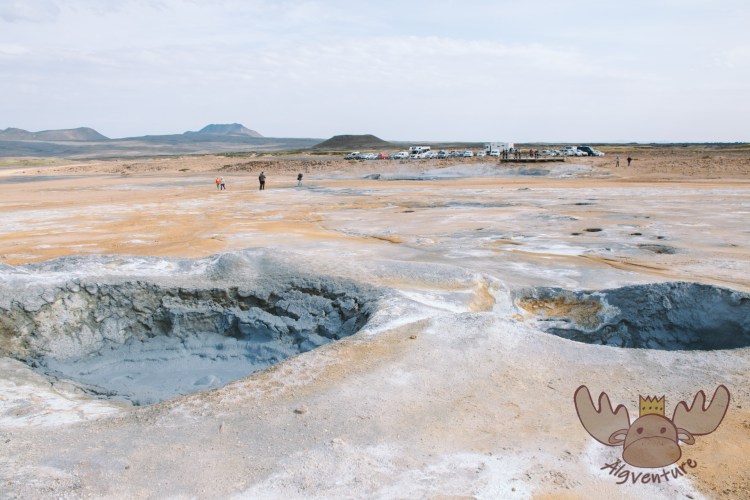
Námafjall Hverir 
Námafjall Hverir 
Námafjall Hverir 
Námafjall Hverir 
Námafjall Hverir 
Námafjall Hverir 
Námafjall Hverir 
Námafjall Hverir 
Dimmuborgir | Gut angelegte Wanderwege ziehen sich durch das Lavafeld. – Easily accessible hiking trails run through the lava field. 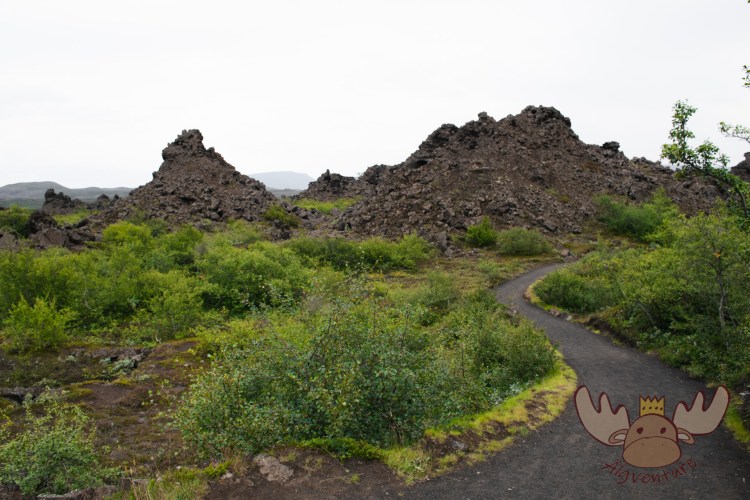
Dimmuborgir | Gut angelegte Wanderwege ziehen sich durch das Lavafeld. – Easily accessible hiking trails run through the lava field. 
Dimmuborgir | Dieses geheimnisvolle Lavafeld stammt aus einer Eruption der östlich gelegenen Kraterreihen Þrengslaborgir und Lúdentsborgir vor etwa 2300 Jahren. – This mysterious lava field comes from an eruption in the eastern rows of craters Þrengslaborgir and Lúdentsborgir about 2,300 years ago. 
Dimmuborgir 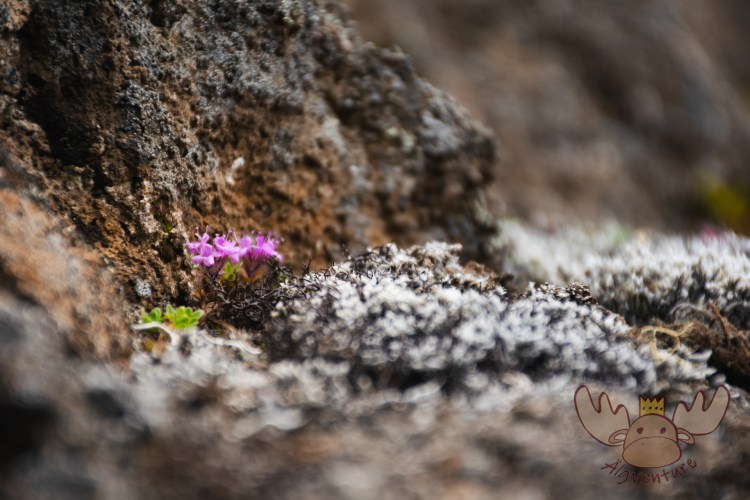
Dimmuborgir | Wer mit offenen Augen und Ohren durch die unwirklich wirkende Landschaft wandert, wird schnell merken wie sehr sie mit Leben gefüllt ist. – Anyone who wanders through the unreal landscape with open eyes and ears will quickly notice how full it is with life. 
Dimmuborgir | In diesem Wander- und Naturschutzgebiet reicht die Vegetation von Pionieren wie Flechten oder Moosen bis zu dichtem Strauch- und Baumbewuchs. – In this hiking and nature reserve, the vegetation ranges from pioneers such as lichens and mosses to dense bushes and trees.
The sad farewell
Wednesday, 12.August 2020
Today it really came – the last day in Iceland on our trip. Tomorrow morning we will be part of the ballet of cars again and dance in the belly of the Norröna. It was a difficult farewell. We had the opportunity to get to know many facets of the country, but we have the feeling that we didn’t see more than we were able to explore. Two weeks is simply far too little.
On the way to the port of Seyðisfjörður we tried to capture as many moments as possible. The Arctic Henge in Raufarhöfn was just one of the many stops we made. We don’t really want to move on yet.
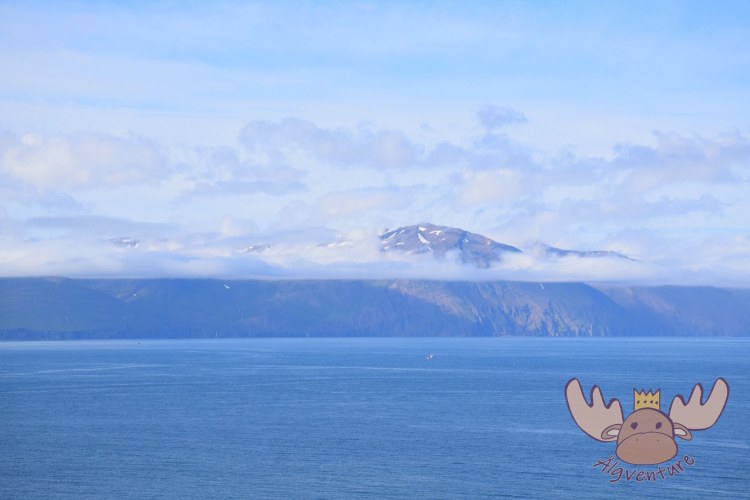

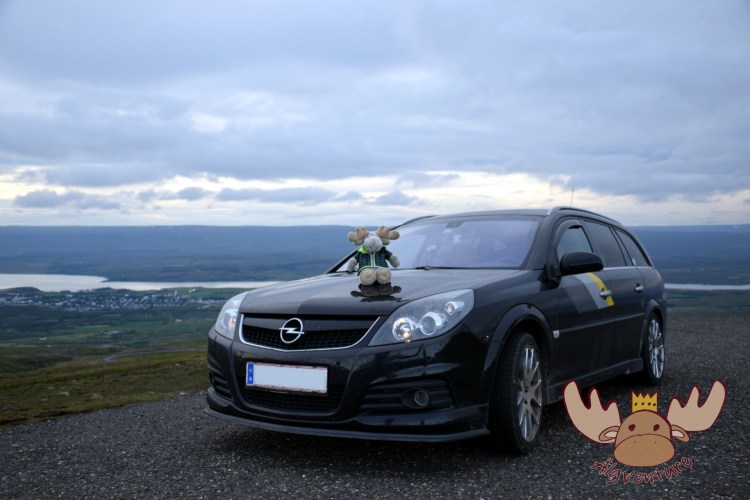
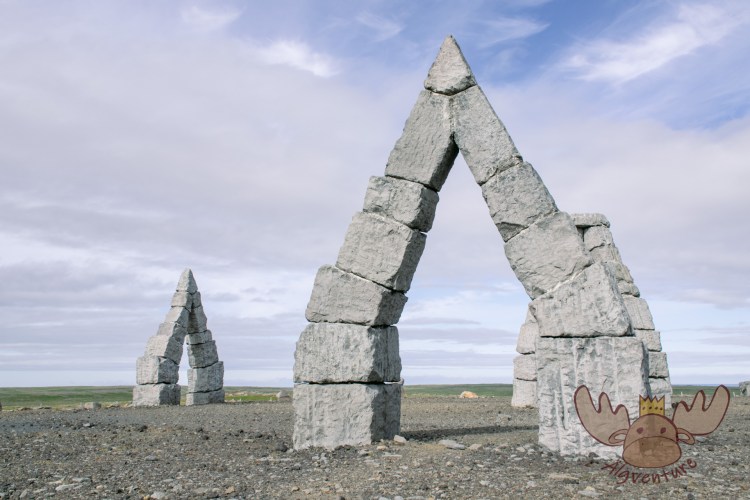

The ballet of cars dances again
Thursday, 13.August 2020
Today was embarkation day. We became part of the ballet of cars again and obediently followed the hand signals of the many conductors. All the car ballet dancers were skillfully brought into position in no time. We grabbed our prepared bags and stowed everything in our cabin as quickly as possible so that we could take a last look at Iceland on departure. Who knows if and when we will see the island again. In any case, we would like to come back.
The next stop on our trip is the Faroe Islands. This small group of islands formally belongs to the Kingdom of Denmark, but has been autonomous since 1948 with everything that goes with it – its own parliament, its own foreign ministry and its own national team. We Austrians will probably never forget the disgrace of Landskrona in 1990, when the football superpower of the Faroe Islands beat Austria 1-0. The Faroese national team was greeted by around 20,000 people on its arrival from Sweden, which is about half the population. According to goalkeeper Jens Martin Knudsen, they only then realized what they had achieved.
We are also fighting a battle. As members of a mountain tribe, we had already realized on the way there that we are not made for Atlantic seas. This realization was renewed once again. But with the help of our little helpers in pill form, the situation was at least bearable. After just a few nautical miles outside the protective fjords of Iceland, the waves began to become uncomfortable. We had to get up very early that night. The ferry docked in Tórshavn at 3:00 a.m. Our first problem to solve was where we could stay for the rest of the night to catch up on an hour or two of sleep. The solution turned out to be simpler than we thought – we simply stayed at the campsite in Tórshavn. So we stood there and hoped to spend a quiet night.
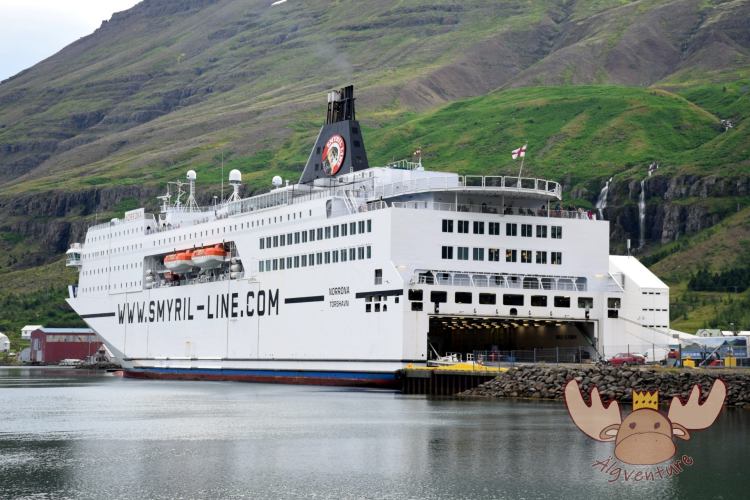

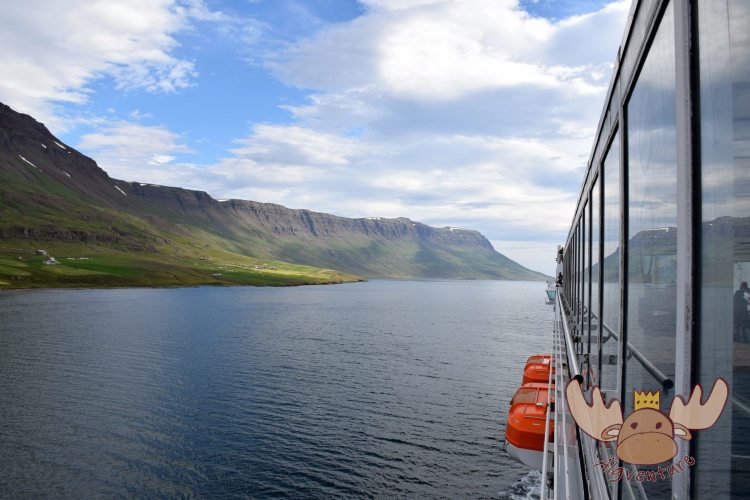
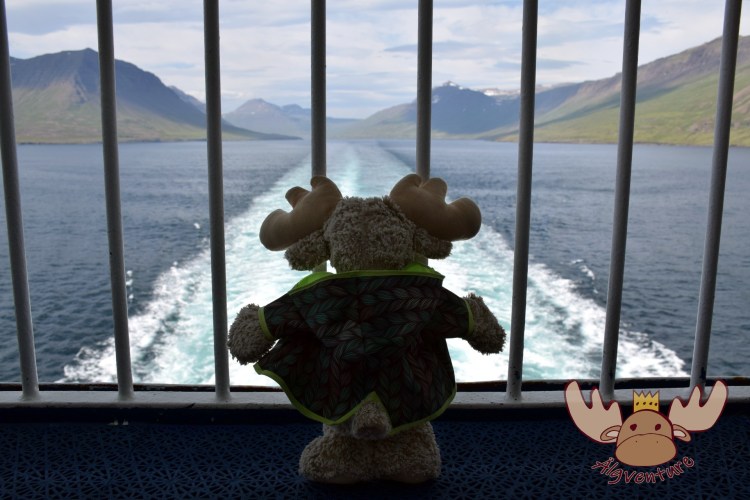

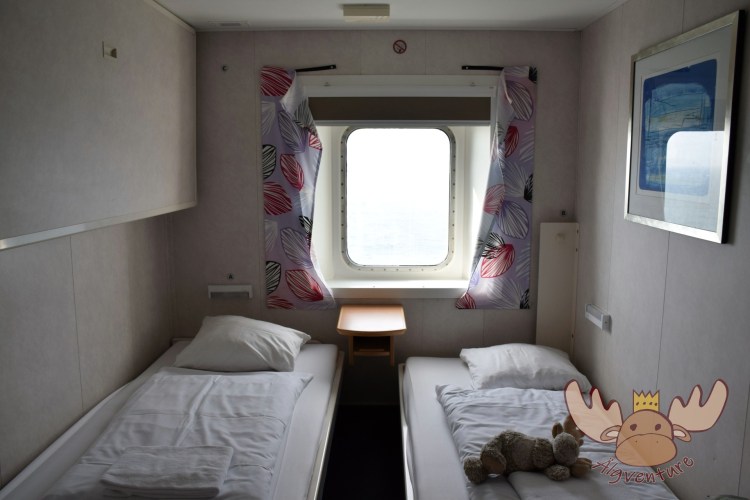
An old friend greets us
Friday, 14.August 2020
The night was, let’s say, mixed. On the one hand, doors were opened and closed frequently, and on the other hand, other people looking for a place to sleep showed up at the campsite until late at night. The most annoying thing, however, was a street lamp that shone right in at our window and lit up our interior as bright as day. We definitely didn’t get enough sleep.
Our time on the Faroe Islands is very limited, however, and so we have to use every precious second as best we can.
The first exploratory tour was supposed to take us through the capital of this small, quasi-sovereign state. If it weren’t for our old friend from Iceland. It seems as if he had come after us so that we wouldn’t have to adjust too much, despite the sunny last few days. During our trip we had already experienced a few different types of rain. Forrest Gump described this very well in the film of the same name: „And suddenly it started to rain. We’ve had pretty much every kind of rain there is. Rain with little pattering drops, really nice big drops, rain that came from the side and sometimes even rain that seemed to come from below.“ Today we experienced a new kind of rain: the misty horizontal rain. We were completely soaked after just a few kilometers. So after the old fortress, the old town and of course the important shopping trip to a state-run alcohol sales outlet, we decided to take refuge in a shopping center. The haul there was two smørrebrød with Fisk and a wooden duck called Sebastian.


After packing the smørrebrød in our stomachs and Sebastian in our car, the journey continued to Kirkjubøur, the former ecclesiastical and cultural center of the Faroe Islands. In this small village, in addition to very old and still inhabited wooden houses, there is also the oldest building site on the Faroe Islands. Around the year 1300, the then bishop Erlendur wanted to build a stone cathedral. However, the size was disproportionate to the population. The residents had to pay very high taxes to finance the construction of the church. This led to a revolt in which Erlendur had to flee. According to stories, he was even murdered in the Magnus Cathedral that he had commissioned. This building is therefore still waiting to be completed. We also wanted to make the best possible use of our short time on the Faroe Islands in terms of cuisine. So if you happen to be in Tórshavn, you must stop by the Katrina Christiansen restaurant at Bringsnagøta 6. The historic building has been very carefully restored and is almost in its original condition. The food is also great. The Faroese cuisine tasting menus we ordered were delicious, but the amount made the two-kilometer walk back to the campsite difficult. It was simply impossible to stop eating.
PS: they have two different „house beers“ that you absolutely have to try!


Change of plans
Saturday, 15.August 2020
Since we started our trip, hardly anything has gone as we had planned. Today was no different. We wanted to go on a beautiful mountain hike and the weather was on our side too, because the sun unexpectedly shone over us. But when we arrived at the starting point of our hike, we were disappointed. There was bright sunshine all around and our mountain peak was covered in clouds. Returning hikers, completely soaked, told us how beautiful the hike wasn’t after all, but unfortunately they didn’t see anything because they were always in this cloud. Aha. OK. Not for us.
So we improvised again. So we drove through this beautiful landscape without a plan or aim and were able to discover surprisingly photo-worthy views. Without a travel guide.
Maybe this is the best way to get to know a country better anyway. Go into it completely clueless without a pre-filtered opinion and discover the country for yourself in your own individual way. Of course, a kind of master plan is not a bad thing, but it should not be strictly followed from start to finish. Originally we wanted to spend the night at another campsite so that we would have a better starting point for tomorrow. But here too our plans were thwarted, because the campsite we were heading for was so full that the caravans had to be careful not to slam their doors into their neighbors‘ caravans when they opened them. So we ended up back in Tórshavn. Luckily for us, the distances on the Faroe Islands are more than manageable due to their size.
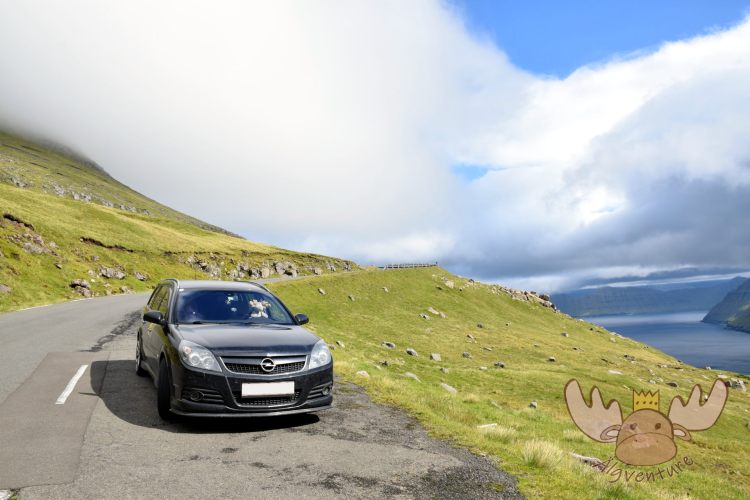


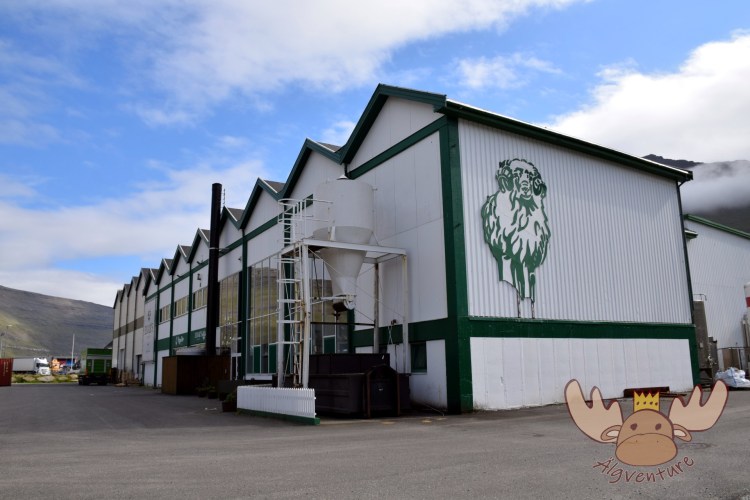


Sometimes you just have to do it
Sunday, 16.August 2020
Today was the day – the last day on the Faroe Islands. We had actually expected very little and were very pleasantly surprised – despite the weather. The small group of islands can be described as a micro-Iceland. Although the road conditions are much better. Since we only had three days to explore the Faroe Islands, it is difficult to categorize them anywhere. As with Iceland, we definitely didn’t see more than we were allowed to explore. Unfortunately, the weather did not play along as we had hoped.
And so today… The weather forecast predicted an improvement from yesterday, but unfortunately this was not the case. Instead of getting better (yesterday was quite sunny), we fell back into old meteorological patterns like we had in Iceland. It was cold, it was windy and it rained… Originally we wanted to do at least one of the many hikes, but the weather did not allow this. It would have been far too risky. So back to improvisation and into the Museum of Faroese History. This small national museum was only an emergency program, but was still impressive due to the well-prepared exhibition.
The journey through the museum started with the formation of the Faroe Islands through the shifting of the tectonic plates. Originally, the Faroe Islands were only a few kilometers from Greenland, before Iceland was formed in between. It continued with the flora and fauna, the settlement by the Vikings and the modern history of the country with industrialization and fishing. In the immediate periphery there is also a small open-air museum, which consists of a nicely decorated house and several smaller farm buildings. The museum does not fill the whole day, but at least we were able to spend the morning with interesting exhibitions and, above all, dry.
But what now? The ferry does not take us back to Denmark until shortly before midnight. The weather was awful in Tórshavn, but we didn’t want to waste time senselessly. So what should we do? We just drove off towards the small village of Saksun. It was a very good decision. In the capital, you could barely see across the street, the fog was so thick. But here in Saksun, only the mountain peaks were caught in the clouds. An almost perfect backdrop to take a few souvenir photos.
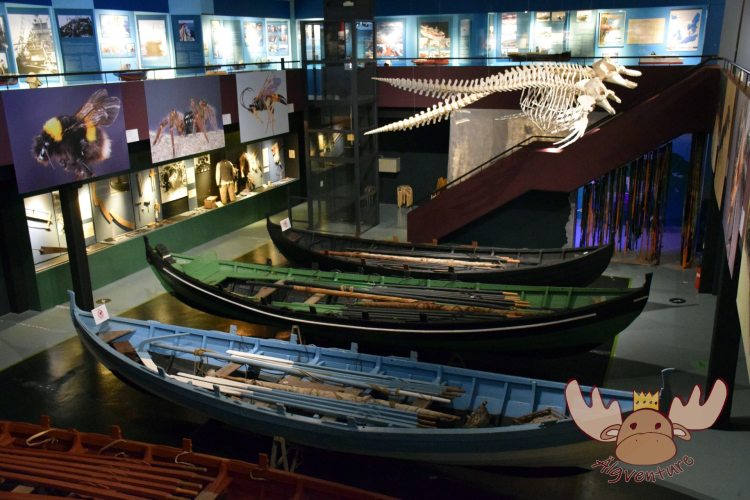
Tjóðsavnið | Typische Fischerboote im Färöischen Nationalmuseum – Typical fishing boats in the Faroese National Museum 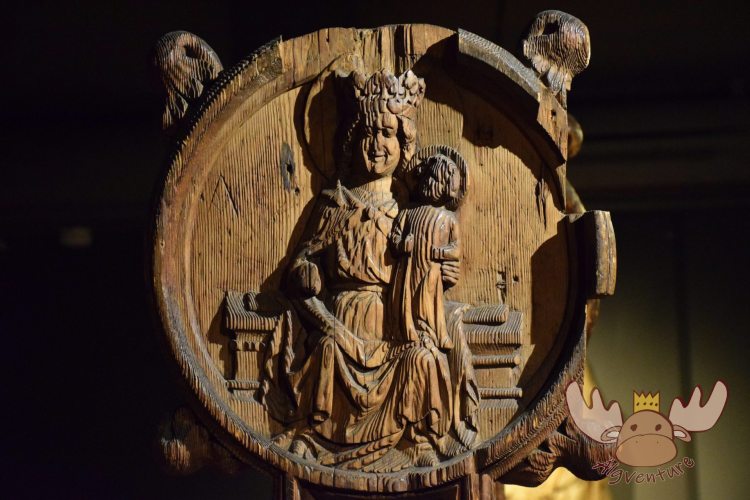
Tjóðsavnið | Detail der Kirchenstühle von Kirkjubøur aus dem 15. Jahrhundert – Detail of the 15th century pews of Kirkjubøur Church 
Føroyar 
Streymoy | Saksun 
Streymoy | Gänse nahe Saksun – Geese near Saksun 
Streymoy | Pferde nahe Saksun – Horses near Saksun
There we saw them again. As in Iceland, there are horses on the Faroe Islands too. But they are different to the horses we see here. Almost every animal we saw on our trip looked like it was a model for a shampoo advert. Manes so well-groomed are rare. True to the motto: Saksun, 15°C with wind and rain – the hairstyle is perfect.
On the other side of the mountain is the small town of Tjørnuvík. You could now take a three-hour hike there, as we had actually planned to do, or you could drive around the mountain by car for about 30 minutes and park comfortably at the entrance to the town. From there you have a wonderful view of the two rock formations Risin and Kellingin.
We wanted to try the Faroese cuisine one last time afterwards, but several people waiting for the ferry seemed to have this thought. The area around the harbor was almost flooded with tourists and we unfortunately had no chance of having our last supper on the Faroe Islands in one of the many restaurants. A little further into the center of the city we found a small Italian restaurant. The food was delicious and we almost lost track of time. Having arrived at the ferry port in good time, we had to wait in a line to be let on the ship.
The brass ballet was dancing again. We were able to move into our cabin very quickly and after taking an anti-nausea pill as a precaution, we slept soundly until the next day.

Tjørnuvík | Risin und Kellingin verstecken sich im Nebel – Risin and Kellingin hide in the mist 
Tjørnuvík | Risin und Kellingin verstecken sich im Nebel – Risin and Kellingin hide in the mist 
Tjørnuvík | Erinnerungsfoto von Älgbert – Souvenir photo of Älgbert 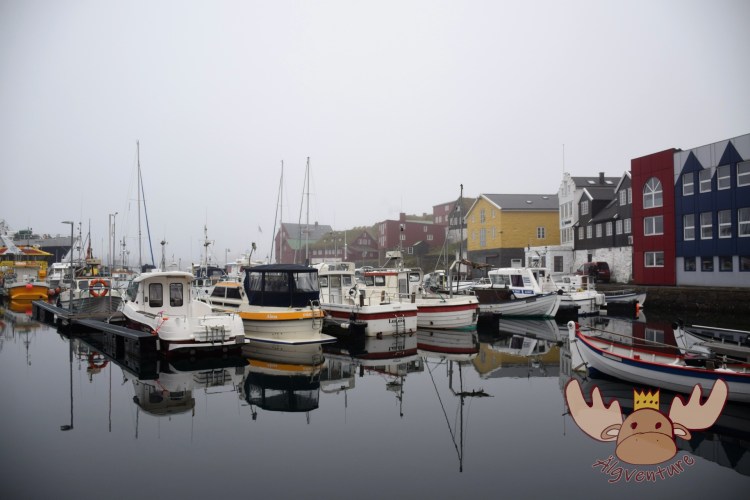
Tórshavn | Boote warten im kleinen Hafen – Boats waiting in the small harbor
A day at sea
Monday, 17.August 2020
Today was again characterized by a lot of water around the ship. We were sailing on the open sea and there was no land in sight for miles around. The route did lead past the Shetland Islands, but unfortunately it was too far away to be able to take a look at them. We will definitely explore these islands as well. The ship does have some leisure activities to offer, but we preferred to keep ourselves to ourselves. The day was not boring, though. We had foresightedly brought games and books with us to keep us occupied. So we spent a relaxed day on the ship with beer and sausages. The next day will be the start of a new exploration tour of Denmark. We intend to come across deserted sandy beaches, exotic animals and colorful plastic blocks. Let’s see if our plan works this time.


Landing on the beach
Tuesday, 18.August 2020
The Norröna had now arrived back with us in Hirtshals. After the final car ballet dance of this trip, it was time for us to fill the tank of the micro-motorhome and our stomachs with the most wholesome goods that the first gas station on our way had to offer.
After that, we plunged straight into the selected route along the west coast of Denmark along deserted sandy beaches. How we would have loved to lay our bodies in the pleasantly warm sea. The temperatures here in Denmark couldn’t be more different to those in Iceland or the Faroe Islands. Suddenly we have 26°C and sunshine. We are no longer used to such high temperatures, let alone are we dressed appropriately. Long trousers and sweaters seem very out of place given the temperatures.
Although we have been to Denmark several times, we keep finding new places that we have never been before and that we like. A future exploratory trip will certainly bring us back to this part of Europe. During the trip, more and more places and attractions are added to our list of future travel destinations.
The fitted kitchen in our micro-camper has served us very well throughout the trip. We are still surprised by the looks we get when we open the tailgate at the push of a button and start using our kitchen. Apparently it is a small sensation for some people when someone cooks in the trunk of a car.
After the delicious noodle soup, we had to tackle a problem that we had not been able to solve yet. We bought a postcard in Iceland (we didn’t have time to write it), wrote the page for the holiday greetings on the Faroe Islands (all the post offices were closed there) and will now send it in Denmark. The stamps were already bought today, now we just have to find a post box. So we are still working on it…
Our accommodation for the last few days of our trip is not far from Billund. This city is known for one thing in particular. Can you guess what it is? That’s right! Denmark’s second largest airport with around 3.5 million passengers. The small Danish town is also known for being the headquarters of the toy manufacturer LEGO, with its Legoland theme park and the Lego House. These colorful plastic bricks are one of the reasons why we set up camp here. But first we want to explore other things.
We ourselves are still undecided about what they might be.
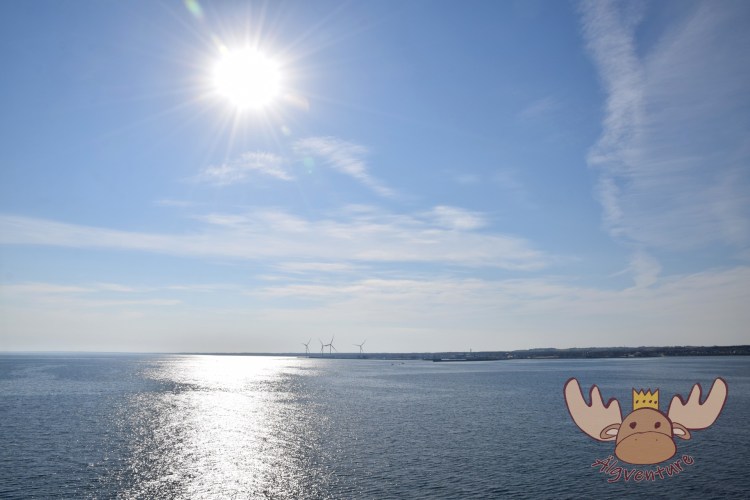
Hirtshals | Hafeneinfahrt mit der MS Norröna – Harbour entrance with the MS Norröna 
Hirtshals | Möwe – Seagull 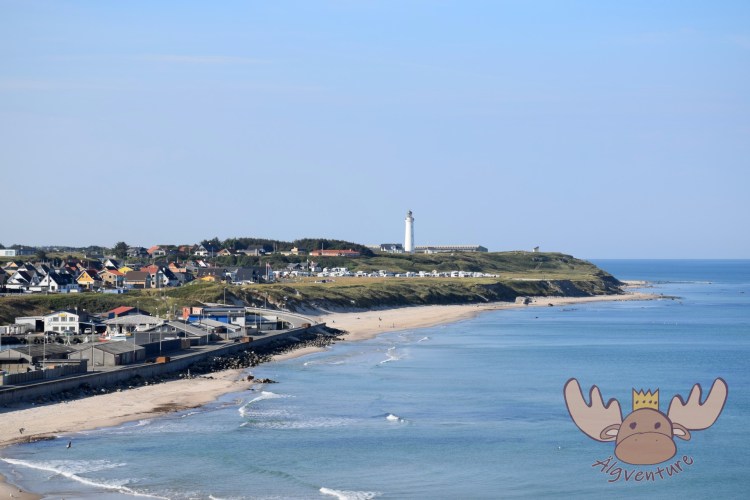
Hirtshals | Hafeneinfahrt mit der MS Norröna – Harbour entrance with the MS Norröna 
Dänemark | Windräder – Windmills 
Midtjylland | Kühe entlang der Westküste – Cows along the west coast 
Midtjylland | Reetdachhaus – Thatched-roof house 

So close to the animal world
Wednesday, 19.August 2020
Today we planned something completely unusual. We went to a zoo. But not just any zoo, no. The one we chose was the Givskud Zoo & Løvepark.
The special thing about it is that you can explore it not only on foot, but also in some areas by car, and thus get very close to the animals. With a little patience, you can watch such unique spectacles. It all started in the traditional way on foot. After entering the zoo grounds, our motorhome was parked in the large parking lot and off we went. From guinea pigs to elephants, from goats to dinosaurs, everything is represented. The zoo not only focuses on entertaining visitors, but also on informative education.
Animal rights activists will now surely protest that zoos are nothing more than animal prisons and that all facilities must be closed and the inmates released into the wild. The example of Givskud Zoo can be used to counter this argument by saying that without it, some animals would no longer exist in their original habitats. It is part of an association of European zoos that are working to preserve biodiversity on this earth. Be it financially or with breeding programs.
For example, without this cooperation, there would no longer be any Przewalski horses. These had already become extinct in the wild and only a few specimens in European zoos were available for re-breeding and release into the wild.
The work today is mainly focused on preventing this from happening in the first place. The initiative currently ranges from purchasing land in rainforest regions to ranger programs in the Himalayas. It can therefore be said that zoos have a benefit – because the captive animals help the wild animals to survive.
Givskud Zoo & Løvepark | Elefant 
Givskud Zoo & Løvepark | Mammut – Mammoth 
Givskud Zoo & Løvepark | Flamingo 
Givskud Zoo & Løvepark | Älgbert reitet auf einem Dinosaurier – Älgbert rides a dinosaur 
Givskud Zoo & Løvepark | Berberaffe – Barbary macaque 
Givskud Zoo & Løvepark | Giraffensafari 
Givskud Zoo & Løvepark | Giraffe 
Givskud Zoo & Løvepark | Giraffe 
Givskud Zoo & Løvepark | Giraffe 
Givskud Zoo & Løvepark | Giraffe
Our highlight of the day was the car safari. We were all excited to see how close we would really get to the animals. It was very close. The llamas were not only within spitting distance, but also within licking distance. But that wasn’t the most worrying event of the day. When a love-struck giraffe tried to mount a zebra and the zebra ran away, it was chased by the same giraffe. The zebra’s escape route passed just centimeters past our motorhome. We feared the worst. How could you explain something like that to your insurance company? Yes, um… hello, we have damage to report here – it’s… damage caused by wild animals??? No, our vehicle was stationary. Yes, the animal ran into our vehicle while it was stationary. It was a zebra, by the way. It was being chased by a love-struck giraffe. No, we are not in Africa, the incident happened in Denmark… They probably wouldn’t believe us. We would probably have to change our insurance after that…
Fortunately, the zebra had the necessary body awareness and the giraffe also somehow managed to avoid our stationary vehicle – but their running style didn’t seem very coordinated to us.
Back at the accommodation, the first thing we did was bathe long strands of dough in hot water and then pour seasoned liquid tomatoes over them before we started planning the next day. So let’s see what we can do with colorful plastic stones tomorrow.
And suddenly you became a child again
Thursday. 20.August 2020
Today’s excursion initially did not arouse pure enthusiasm among all of our fellow travelers. But if you’re already in the world capital of colorful plastic blocks, you should at least take a look inside.
How good the decision was to go to the Lego House today. Firstly, we had Icelandic weather again today, and secondly, the male Älg companion still had to be convinced of how much fun you can have with the blocks even as an adult.
Spoiler: It was almost impossible to get him out after that….
The day started very relaxed. The morning was used to catch up on missed sleep, because the journey to the heart of Billund is very short from our current accommodation. So we arrived at the ticket counter at 11:08 on time and received our entry wristbands. These are not only the entry tickets, but also an identification wristband with which you can „check in“ at various stations and then use them to their full extent, as well as later access the photos, films, etc. taken there and download them from the Internet after the visit. So if you ever come to the Lego House, you absolutely have to keep this ribbon.
Even the first climb to the upper exhibition rooms is something special. It felt like we needed half an hour to climb the two floors. Not because of the sheer height or our poor fitness, but because the Tree of Creativity was set up there. A 15-meter-high tree made of Lego bricks with several scenes depicted on its branches using Lego sets. In addition, several clues to the company’s history are hidden in its „bark“ that visitors have to discover first. The top floor exhibits works of art by Lego-loving fans. Of course, our Älg couldn’t resist adding a work of art of his own. He was also busy in the minifig workshop and created authentic replicas of his travel companions.

Our first creative phase of the day was in the film studio. We created our own film using stop motion technology, which immediately became a box office hit, or at least contributed to the amusement of the staff.
A visit to the Mini-Chef is an experience in itself. This is the exhibition’s own restaurant. We were told that the chefs who work here are all minifigs, i.e. small Lego figures who prepare the food here. Therefore, it is necessary to place the order in their language. The minifigs only learn the block language in the Lego schools. A practical translation sheet, you could also call it a menu, makes this ordering in block language much easier. After the mini-chefs had prepared the food in oversized Lego bricks, they were transported via a sophisticated conveyor belt system to two intelligent robots, who handed them over to the hungry visitors. After this refreshment, we plunged deeper into the Lego world. We then went into the basement, to the archives and the beginnings of the toy manufacturer. Interestingly, the company actually started making money with windows and fittings and only stumbled into the toy business by chance. At the beginning, it was mainly wooden toys, such as wooden ducks and later car models, before plastic toy production began towards the end of the 1940s. We were always amazed at how much we could still recognize in the display cases from our own childhood that we had played with as children.
After the short history excursion, we wanted to let our creativity run free. This is also Lego’s primary aim – to let children be creative and to encourage it in a targeted manner. So we became children again and sat down in the middle of a whole group of five to twelve year olds and started to creatively recreate our Älg. After some time searching, we found the right colors and let our creativity run free. Unfortunately, time had already run out and there was only enough time for the Älg’s head. The otherwise very nice and courteous members of the staff unfortunately did not want to allow us to take the Älg head home for further construction work – not even for cash. In return, our Älg was promised that his Lego head would be included in the exhibition and that visitors would later be able to admire this work of art. It can stay standing around until tomorrow at least. Inspired by our new-found creativity with small plastic bricks, we inevitably went to the shop. Perhaps the necessary components for an Älg could be purchased here. Unfortunately, that wasn’t the case, but we were very surprised at the range of Lego kits available.
Perhaps we’ll have more luck in the nearby Legoland. The child we’ve awakened in us probably doesn’t want to go to sleep so quickly.

Lego House | Home of the Brick 
Lego House | Masterpiece Gallery 
Lego House | Masterpiece Gallery 
Lego House 
Lego House | Essensbestellung im Restaurant Mini Chef – Ordering food at the Mini Chef restaurant 
Lego House | Robert & Roberta 
Lego House | Restaurant Mini Chef 
Lego House | Filmset in der grünen Zone – Film set in the green zone 
Lego House | Kreatives Bauen in der roten Zone – Creative building in the red zone 
Lego House | Kreatives Bauen in der roten Zone – Creative building in the red zone
The children want to be entertained
Friday, 21.August 2020
We have been to Denmark a few times now, but we have always avoided Legoland. Firstly because it is usually very busy during peak travel times and secondly because we usually want to learn about parts of the history of the country we are visiting. Well, this year the number of visitors was limited and LEGO is somehow part of Denmark’s history – or at least of Billund.
Yesterday our childish side was awakened and it was difficult to argue with our travel companion why we shouldn’t go there. So today we went to Legoland.
It is fair to say that the concepts of Lego House and Legoland could not be more contradictory. While creativity is the focus in the Lego House we visited yesterday, Legoland is all about shallow entertainment. That doesn’t necessarily have to be a bad thing, but it always surprises us that even this shallowness is not shallow enough for some people. In Legoland, in addition to all kinds of great rides, there is also a small aquarium (called Atlantis). We are not always the most attentive sign readers, but today we saw many visitors simply walk past the AQUARIUMS in the aquarium without even taking a look inside… In the end, all we got were messages like: „What? And that’s it? That wasn’t so great.“ Well, to each his own…


In any case, today we decided to just let ourselves be gently entertained and tried out the rides in a clockwise direction. From leisurely boat rides to wild water slides and roller coasters, there was everything that makes children’s hearts beat faster. We originally planned to spend half a day each in the Lego House and Legoland, but as so often happens with our plans, nothing came of it – and that was a good thing. You can easily spend several days at both attractions.
We found the driving school to be the most educationally valuable, where children can get their first driving license in a fun way. Unfortunately, this is only valid in Legoland and is not transferable. In addition, small children were not allowed to drive alone and adults were not allowed to take part in the driving training. The oldest part of Legoland is a small miniature world in which buildings, cities and landscapes in Denmark and around the world have been recreated. With great attention to detail (and above all a lot of patience), Nyhavn in Copenhagen, various monuments in Denmark, Bergen in Norway, Tegernsee and the Burj Khalifa were recreated here using millions of Lego bricks.
All in all, it can rightly be said that Legoland Billund is a paradise for children. Unfortunately, not so for parents, who have to pay for the short-lived fun. The entrance fee is not exactly cheap – but you can use the rides as often as you need. What also costs several euros, however, are the quite excessive prices for physical well-being. Today we paid the equivalent of just under €30 for two small snacks and a drink each!!!
Many coins poorer, but many experiences richer, we ended the day with a good dinner and a chilled hop drink. Tomorrow we want to escape the shallowness and delve into the depths of Danish history.


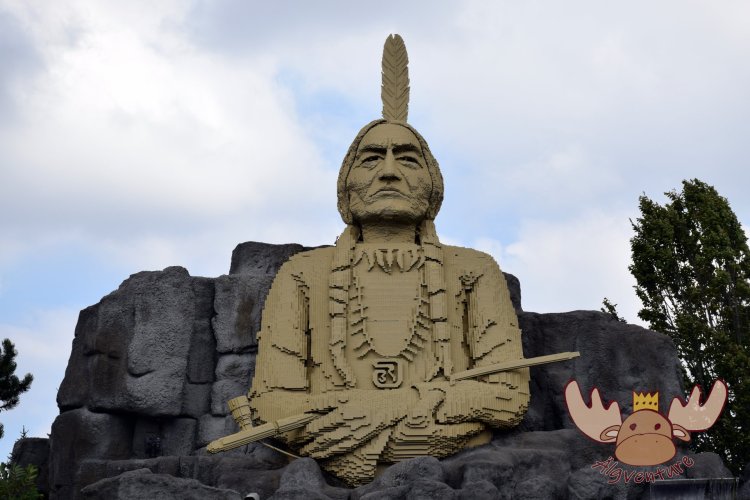
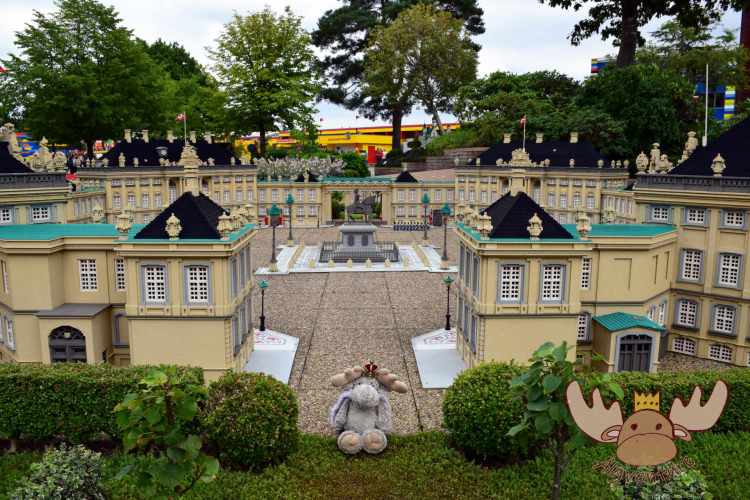
Bluetooth
Saturday, 22.August 2024
After yesterday’s light entertainment, it was time for culture and history again. The choice fell on the Jelling runestones. This place plays an outstanding role in Denmark’s history, as the runestones of Gorm the Old and his son Harald Bluetooth are located here. The word Denmark is written on Gorm the Old’s stone for the first time on Danish soil. It is dedicated to his wife and queen, on which he described her as the „ornament of Denmark“. The larger runestone, which is attributed to Harald Bluetooth, originally shows, richly decorated on three sides, how he, Harald Bluetooth, king of Denmark and Norway, made the Danes Christians. The inscription reads: „King Harald commanded that this monument be made to his father Gorm and his mother Tyra; the Harald who subjugated all of Denmark and Norway and made the Danes Christians.“ So he achieved something that was long considered impossible. He united the warring tribes of the Danes and the Norwegians under one crown. The same thing was achieved by the mobile phone technology named after him. Like Harald, Bluetooth manages to connect completely different technologies. All of this is wonderfully explained to interested visitors in Kongernes Jelling. Harald Bluetooth had a geometrically perfect protective wall made of oak trunks built around the two burial mounds in front of the museum. The dimensions are gigantic for the time. Jelling was practically built on a „green field“ and served as Harald’s capital. All of this is very well illustrated in the museum. With the help of light projections, informative stories about the Vikings are drawn on the wall. Visitors are also encouraged to participate in the exhibition with heart, mind and hand. Many of the installations can also be touched. So if you want to know more about them, you should definitely come along. Admission is free! 😉
Today was also a special day, by the way. The female Älg companion has her birthday today. Decency does not allow us to talk about her age. In any case, she is now a year older than last year. This was of course duly celebrated with a bottle of wine and cake from the local patisserie. The cake was so sweet, however, that the first diabetes symptoms appeared after the first bite. It almost felt like body parts were coming off… But we should have known that, after all, this is not our first encounter with Scandinavian desserts. And so it went, the last day of our expedition. Tomorrow we will start our journey home. On the one hand, we are sad that our excursion has to end, but on the other hand, we are already looking forward to going home. After all, there is still one very important thing to do, because we still have to tell people about our adventures, as we have done in previous years.

Kongernes Jelling 
Kongernes Jelling | Thronbesteigung im Erlebniscenter – Ascension to the throne in the adventure centre 
Kongernes Jelling | Erlebniscenter – Experience centre 
Kongernes Jelling | Harald’s und Gorm’s Runensteine – Harald’s and Gorm’s rune stones 
Kongernes Jelling | Harald’s Runenstein – Harald’s rune stone 
Billund | Geburtstagskuchen – Birthday cake
The long way back
Sunday, 23.August 2024
Everything comes to an end at some point. We were able to see a lot on our trip to the north. The experiences range from monotonous German motorways, wild wave rides, Swiss cold forming specialists, majestic waterfalls, vast lava fields, windy bird cliffs, milky thermal oases, questionable road conditions to graceful marine mammals and much more. The list is so long and yet we feel like we have only gotten to know a fraction of a small facet of Iceland.
How often did we have the feeling that we would have needed a little more time to get to know a region even better. Several times it was difficult to move on, as we kept discovering new things that we were only too keen to explore. Saying goodbye to Iceland cannot be forever. We liked what we were able to see far too much. The small Faroe Islands were treated very poorly in our travel planning. We just thought that since we were already there, we might as well do the few small islands at the same time. We would never have thought that the Faroe Islands were in some ways more than just as beautiful as Iceland. If the weather hadn’t been so bad, we could have fallen in love with this little spot in the middle of the sea. The landscape is breathtaking, the people friendly and the roads are very well developed. The three days we were there did not do justice to the natural beauty on offer. And because of the rain, we saw very little of it. During our tour we decided that we would return here again – but for longer and in a more relaxed way.
Denmark also managed to surprise us a few times, even though we had visited the country several times before. This showed us once again that no matter how much you think you know a country, you are always proven wrong. We were also able to discover a side of ourselves that had long been thought lost.
So we set off on our journey home. Back to our homeland via monotonous German motorways. With a heavy heart we had to leave a time of carefreeness behind us. From now on we will return to the necessary daily routine so that we can hopefully go on another exploratory tour of Europe next year. Who knows where we will end up. The blank spots on the map are still far too big to be left undiscovered and unexplored.

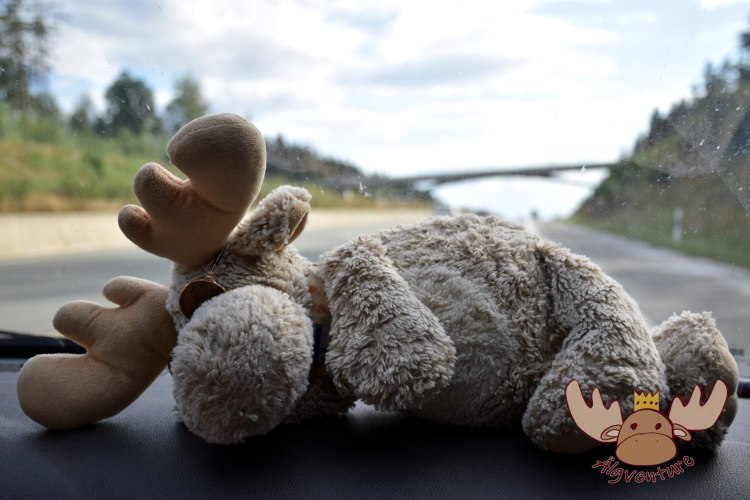
2 Antworten zu „In search of elves and banana plantations – A trip to Iceland“
-

[…] We already reported on these concrete cubes in honor of the town of Hirtshals when we set off on our first Iceland adventure. But the municipality’s website took the information page offline and we were worried that […]
LikeLike
-
captivating! Major Coffee Chain Introduces Cup Recycling Program 2025 phenomenal
LikeLike


The South of the North – A travel report
It was that time again – we were embarking on a new adventure. After our stay with the Queen in London a few weeks earlier, we were drawn out into the world again to explore it. Many blank spots on our travel map are just waiting to be discovered by us. The general direction of…


Sunset on the Dachstein – Dinner in the Austrian Alps
The Dachstein: The jewel of the Alps attracts nature lovers and adventure seekers alike. Experience the breathtaking beauty of the Alpine landscape, from rugged rock faces to glittering glaciers. Whether you are an experienced mountaineer or a leisurely hiker – the Dachstein has something for everyone. Via ferratas, summit tours or leisurely hikes: everyone will…
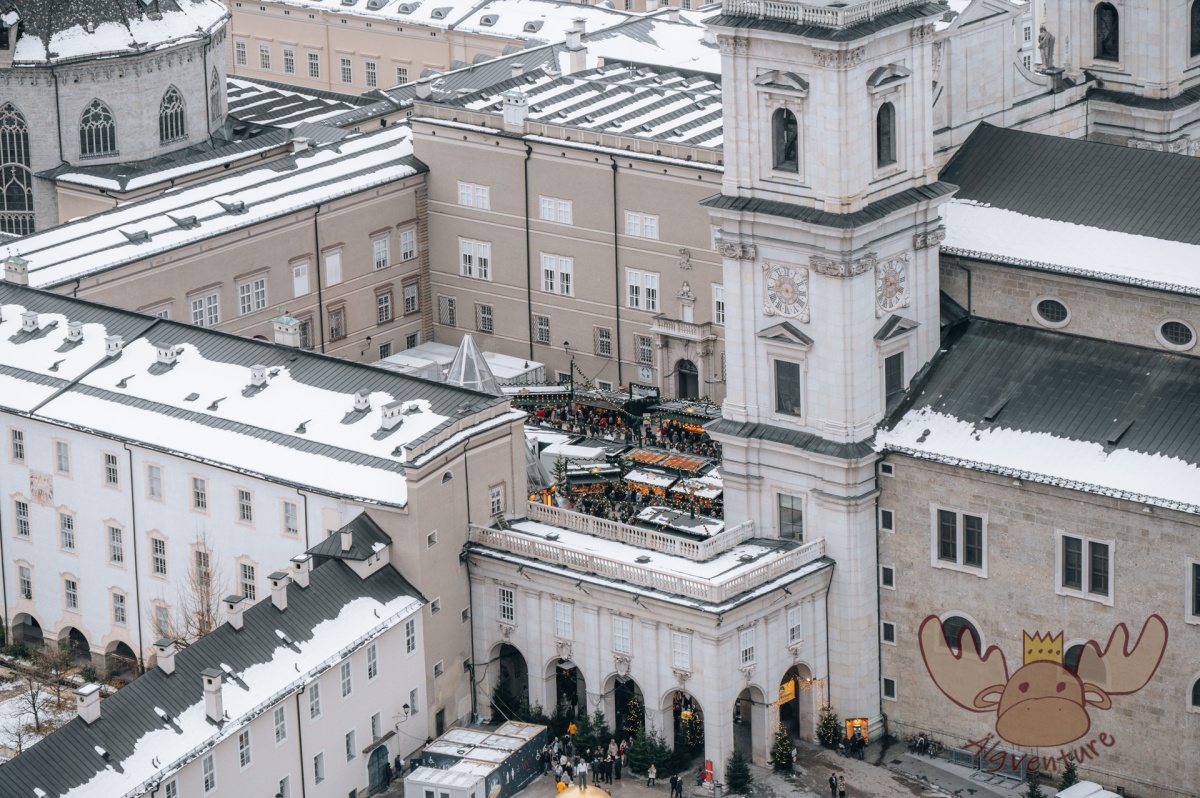
One weekend, four different Christmas markets – an exploration tour through the Austrian Christmas market tradition
The Christmas season is just around the corner and the various Advent markets want to get visitors into the Christmas spirit with their offerings. We’ll take you on our exploration tour to the most diverse representatives of Austrian Christmas market culture.
Christkindlesmarkt Nuremberg
Almost everyone has heard of him and many have seen him too. The Nuremberg Christmas market is one of the largest in Germany and we tell you about our visit.
Stockholm – The search for good Glögg
We decided to travel to Stockholm for the Lucia Festival. During our adventure we admired many lights, tasted our way through Sweden’s cuisine and watched people dance around a tree.
Here you can read what else we experienced and how we fared.
Etwas ist schiefgegangen. Bitte aktualisiere die Seite und/oder versuche es erneut.
 Älgventure
Hinterlasse eine Antwort zu The South of the North – A travel report – Älgventure Antwort abbrechen