
Reykjavík – the smallest metropolis and northernmost capital in the world.
Älgbert Elgson
Dieser Artikel ist auch in Deutsch verfügbar.
The northernmost capital in the world is in Iceland and is only 269 kilometers from the Arctic Circle. The city is the oldest permanent settlement in the country, but although the first settlers arrived in the country in 870 AD, the area grew very slowly and was not officially declared a city until 1786. Today, around 136,000 people live in Reykjavik and over 200,000 in the metropolitan region. This corresponds to approximately two-thirds of the Icelandic population.
All information and current events can be found on the VisitReykjavik homepage, among other places.
The trail of history
When the first settlers settled in Iceland in 870, they called the place Reykjavik. The name translates as “smoke bay” and is due to the fumes from the hot springs in the area.
Over time, other scattered farms were built near Laugarnes and in 1226 Augustinian monks founded a monastery on the island of Viðey. It was only in the 18th century that the townscape and development began to change. Up to this point there were only several farms of different sizes scattered around the area. After the wool industry was established, a town center gradually formed and Reykjavik took on a village-like appearance. The Dómkirkja was consecrated in 1796 and was the first building built specifically with the intention of making Reykjavík the country’s capital. At the time of the inauguration, all residents found space in what was actually a rather small building.

Reykjavik | Das wunderschöne Gebäude der ersten Sekundarschule für Frauen „Kvennaskólinn“ in Island. – The beautiful building of the first secondary school for women „Kvennaskólinn“ in Iceland. 
Reykjavik | Blick auf das 1901 errichtete weiße Kirchengebäude mit grünen Dächern der Fríkirkja am Reykjavíkurtjörn. – View of the white church building with green roofs of Fríkirkja on Reykjavíkurtjörn, built in 1901. 
Reykjavik | Prächtige Gebäude entlang des Sees Tjörnin, auch Reykjavíkurtjörn im Stadtzentrum von Reykjavik. – Magnificent buildings along Lake Tjörnin, also Reykjavíkurtjörn in Reykjavik city centre. 
Reykjavik | Die Kirchen „Fríkirkja“ und im Hintergrund „Hallgrimskirkja“ am See Reykjavíkurtjörn. – The churches „Fríkirkja“ and in the background „Hallgrimskirkja“ on Lake Reykjavíkurtjörn. 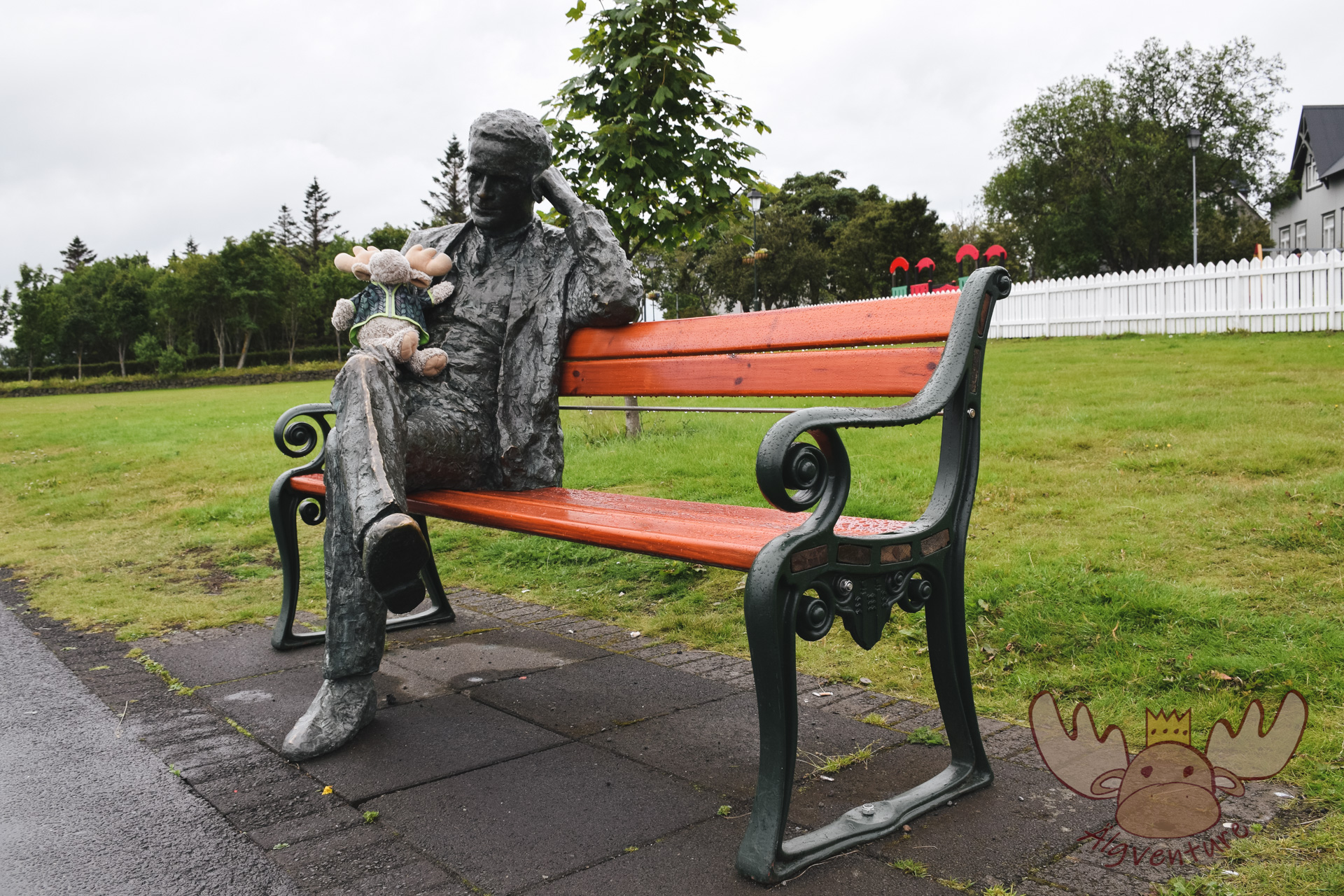
Reykjavik | Älgbert besucht die Skulptur vom isländischen Schriftsteller Tómas Guðmundsson, der gerne in seinen Gedichten Reykjavik erwähnte. – Älgbert visits the sculpture by the Icelandic writer Tómas Guðmundsson, who liked to mention Reykjavik in his poems. 
Reykjavik | Die 1927 geschaffene Skulptur „Úr álögum“ von Einar Jónsson zeigt den heiligen Georg, der die nackte libysche Prinzessin vor einem Drachen gerettet hat. – The sculpture „Úr álögum“ by Einar Jónsson, created in 1927, shows St. George saving the naked Libyan princess from a dragon. 
Reykjavik | Stockente mit Küken am Reykjavíkurtjörn. – Mallard with chicks at Reykjavíkurtjörn. 
Reykjavik | Möwen sitzen am Brückengeländer des Sees Reykjavíkurtjörn. – Seagulls sitting on the bridge railing of Lake Reykjavíkurtjörn. 
Reykjavik | Die 1929 von Guðjón Samúelsson entworfene römisch-katholische Kirche Landakotskirkja im Westen der Stadt Reykjavik. – The Roman Catholic church Landakotskirkja, designed by Guðjón Samúelsson in 1929, in the west of Reykjavik city. 
Reykjavik | Älgbert sitzt auf einer festlich gekleideten Schweinestatue im Zentrum der isländischen Hauptstadt. – Älgbert sits on a festively dressed pig statue in the centre of the Icelandic capital. 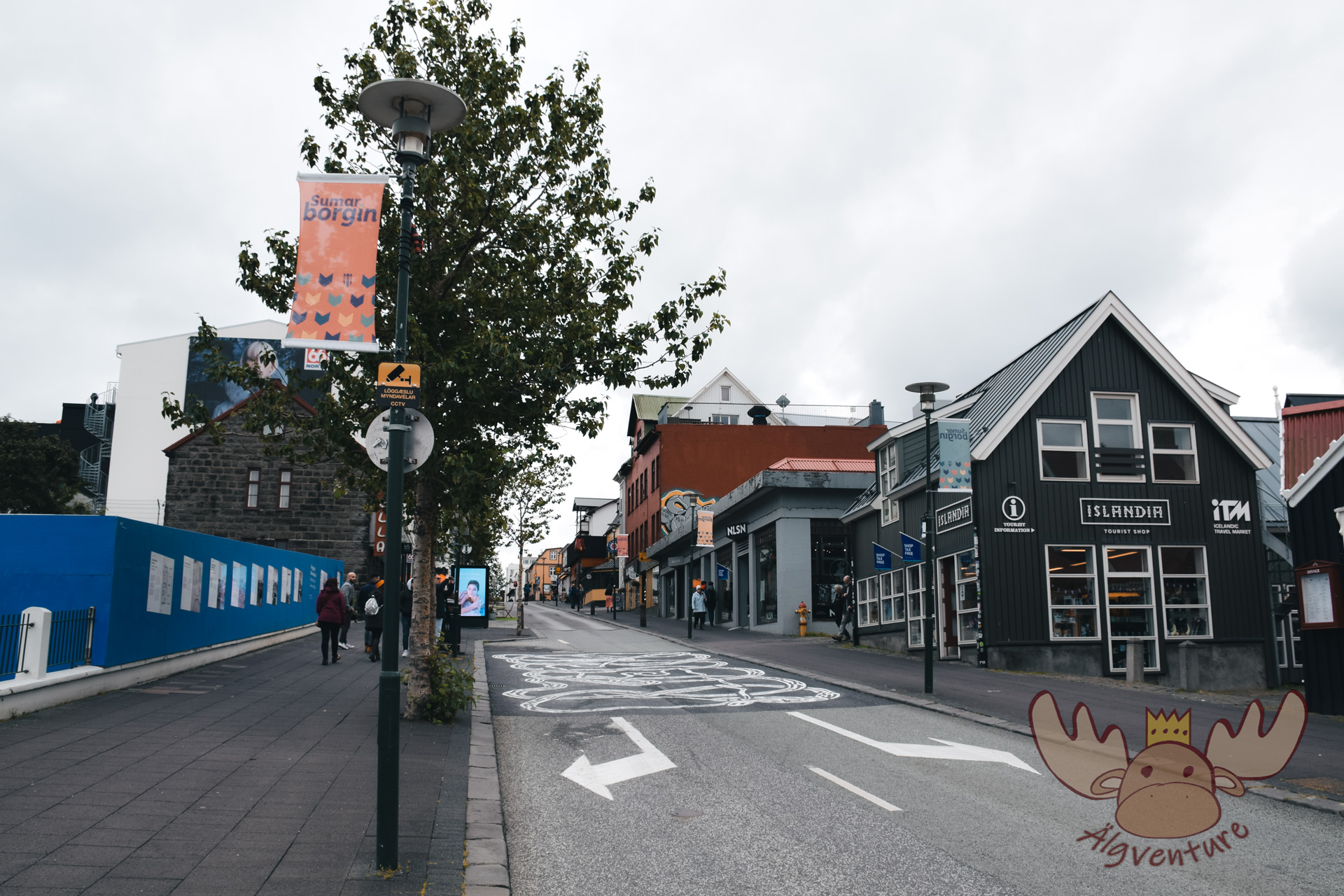
Reykjavik | Einkaufsmöglichkeiten entlang der Bankastræti im Zentrum von Reykjavik. – Shopping along Bankastræti in the centre of Reykjavik. 
Reykjavik | Die Skulptur Rætur wurde von Steinunn Þórarinsdóttir geschaffen und befindet sich seit dem Jahr 2000 im Zentrum der Hautpstadt. – The sculpture Rætur was created by Steinunn Þórarinsdóttir and has been in the city centre since 2000. 
Reykjavik | Abendliche Pflegeroutine in der Ferienwohnung „House of the Snowbird“ in einem denkmalgeschützten historischen Gebäude in der Altstadt von Reykjavik. – Evening grooming routine in the holiday flat „House of the Snowbird“ in a listed historical building in the old town of Reykjavik. 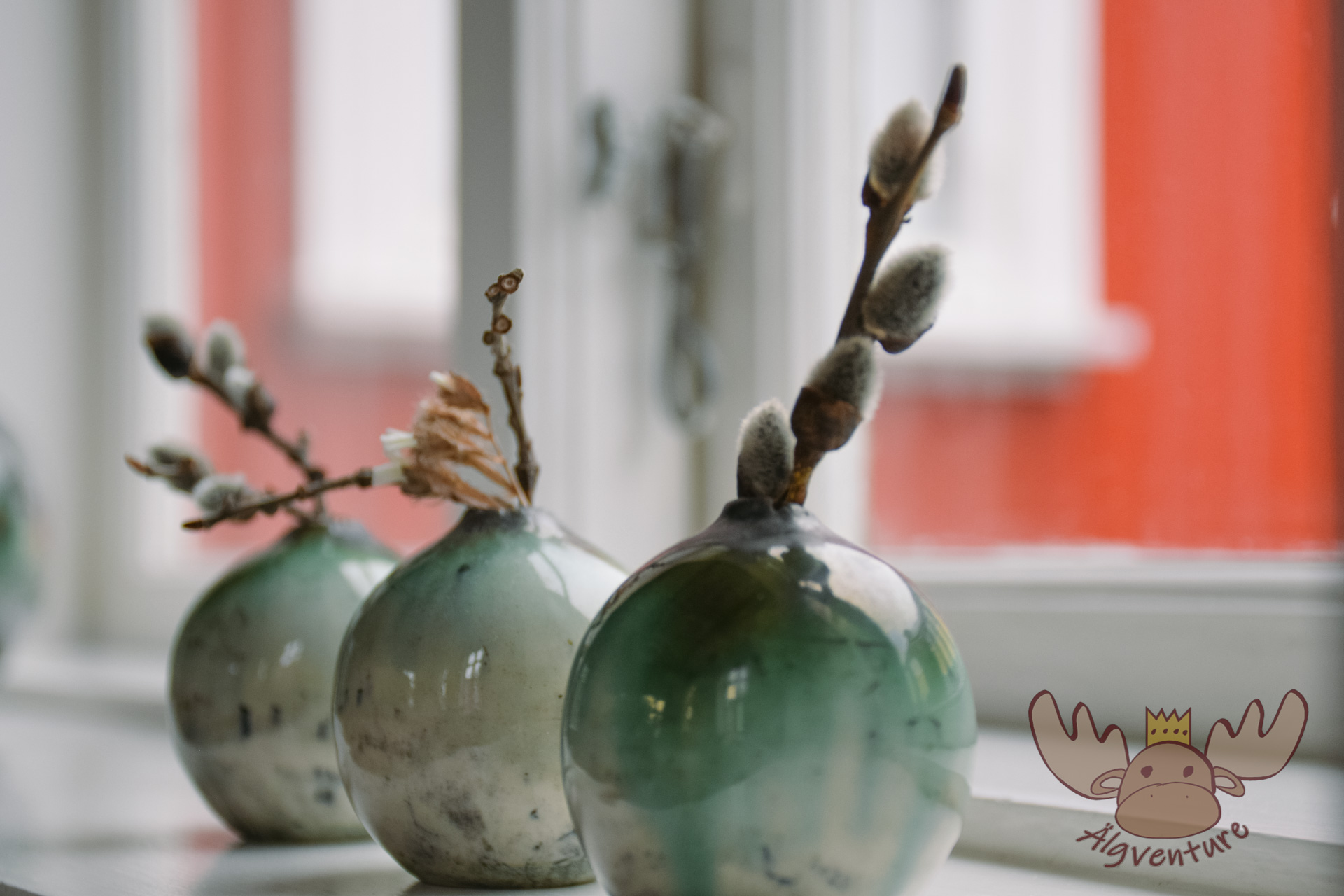
Reykjavik | Handgefertigte Unikate in der Ferienwohnung „House of the Snowbird“ in einem denkmalgeschützten historischen Gebäude in der Altstadt von Reykjavik. – Handmade unique pieces in the holiday flat „House of the Snowbird“ in a listed historical building in the old town of Reykjavik.
In the 19th century, dense clusters of small houses or fishing huts formed in the city. The Icelandic parliament, Alþingi, was rebuilt in Reykjavík in 1845. At the turn of the century, numerous schools, from elementary schools to universities, were built, cementing Reykjavik’s position as the capital of Iceland. The city is now considered the economic, political and cultural center of the country.
If you want to learn more about the history of Iceland, you should definitely pay a visit to the National Museum and The Settlement Exhibition.
Useful information
The capital region is so densely populated compared to the rest of the country because it is the cultural, economic and political center of Iceland. Additionally, almost every tourist who visits the country passes through Reykjavík or stays overnight. Most visitors choose to fly to Iceland. The airport is located just a few kilometers outside the city, so many tourists use Reykjavik as a base for their explorations. Therefore, there are numerous restaurants, museums, music venues, historical sites, spas, swimming pools and accommodations. For such a “small” city, there is a wide variety of activities and attractions for people of all ages.
Hallgrímskirkja
The Hallgrímskirkja is the largest church building in Iceland and the second tallest building in the country after the Smáratorg Tower, an office building. It is named after the 17th-century clergyman Hallgrímur Pétursson and was placed on a prominent hill in the city to make its 74.5 meter high tower appear even larger and shape Reykjavík’s cityscape. Planning work began in 1929, but construction did not begin until 1945 and lasted until 1986. This makes the church a relatively young building. This is also reflected in the architecture. Modern concrete construction influenced the architect’s designs. The external appearance with the many concrete pillars is similar to the basalt columns often found in Iceland and the gray-white color is said to be reminiscent of glaciers.
The original design also envisaged using the high tower as a transmission mast. An elevator was therefore planned from the start to make maintenance work easier. Today this can be used to visit the viewing platform located directly below the belfry with a wide view over Reykjavík and its surrounding area.
Hallgrímskirkja is one of the most visited places by tourists in Iceland. Thousands of people visit the church every day. Entrance to the church is free. Entrance to the tower costs ISK 1000 – ISK 100 for children (7-16). As Hallgrímskirkja is an active church, the church and tower may be closed without notice due to masses, church events and concerts. Further information can be found on the official homepage.
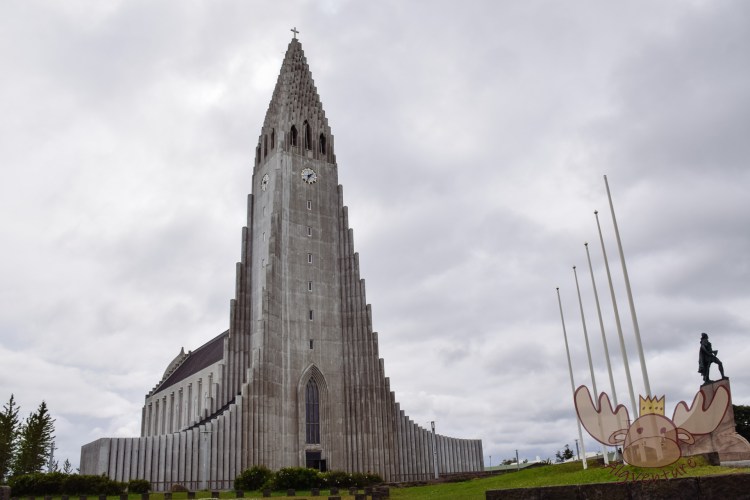
Reykjavík | Die Hallgrímskirkja ist eine evangelisch-lutherische Pfarrkirche im Zentrum von Reykjavík und das größte Kirchengebäude Islands. – Hallgrims Church is an Evangelical Lutheran church in the centre of Reykjavík and the largest church building in Iceland. 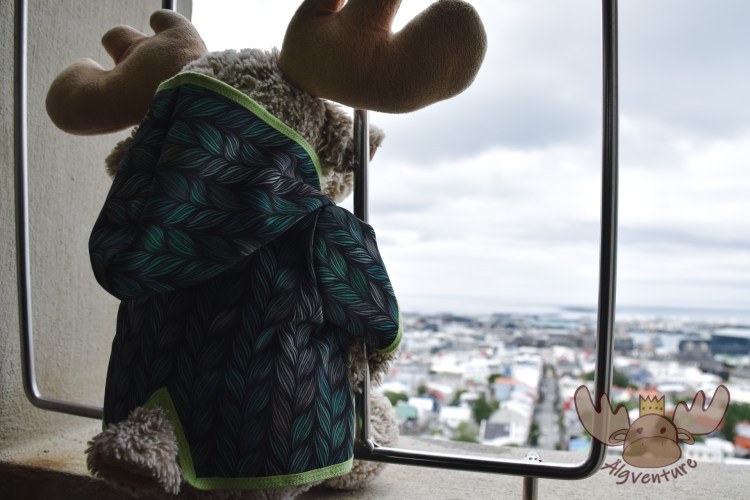
Reykjavík | Ausblick auf das Stadtzentrum vom Turm der ca. 74 Meter hohen Hallgrímskirkja. – View of the city centre from the tower of the approx. 74-metre-high Hallgrímskirkja. 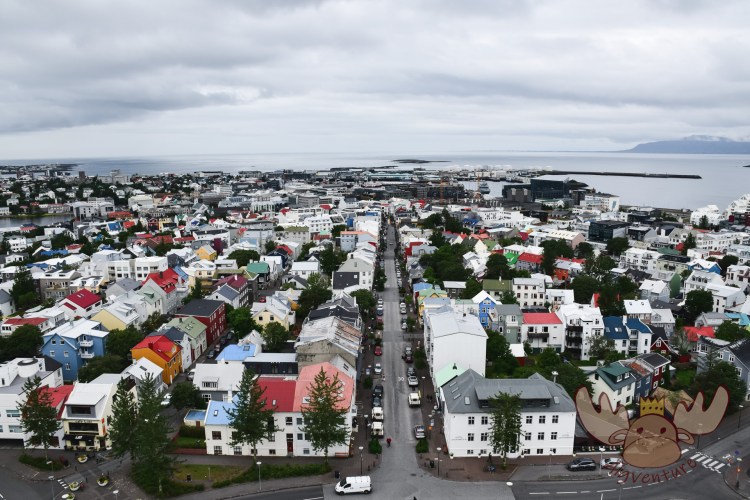
Reykjavík | Ausblick auf das Stadtzentrum vom Turm der ca. 74 Meter hohen Hallgrímskirkja. – View of the city centre from the tower of the approx. 74-metre-high Hallgrímskirkja. 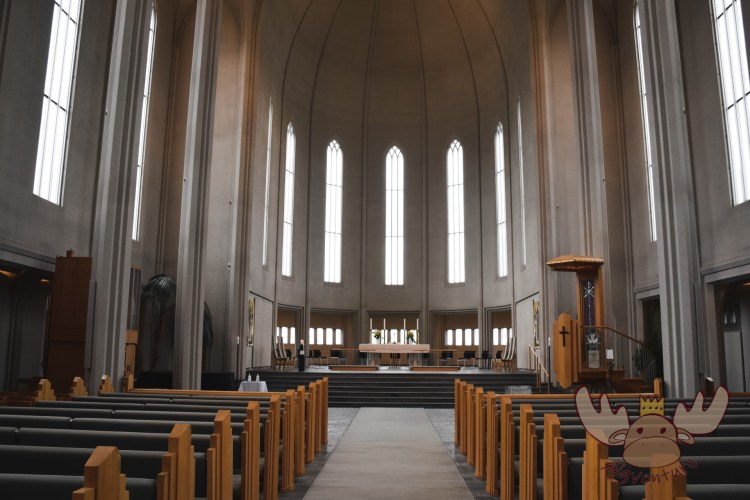
Reykjavík | Das Kirchenschiff der Hallgrímskirkja, eine evangelisch-lutherische Pfarrkirche im Zentrum von Reykjavík und das größte Kirchengebäude Islands. – The nave of Hallgrímskirkja, an Evangelical Lutheran church in the centre of Reykjavík and the largest church building in Iceland. 
Reykjavik | Die Statue vom isländischen Entdecker Leif Eriksson „der Glückliche“ in Reykjavík vor der Hallgrímskirkja. – The statue of the Icelandic explorer Leif Eriksson „The Lucky One“ in Reykjavík in front of Hallgrímskirkja. 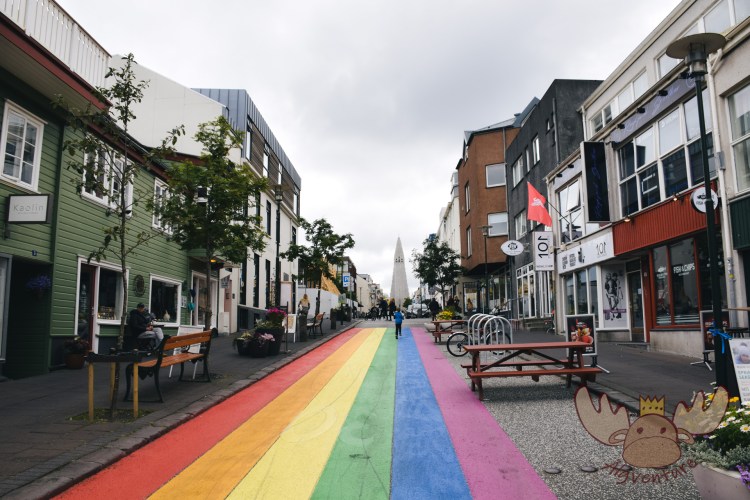
Reykjavik | Regenbogenstraße auf dem Weg zur Hallgrimskirkja. – Rainbow Street on the way to Hallgrimskirkja.
Laugardalur
Laugardalur Park is undoubtedly Reykjavik’s most popular recreational area. It is particularly suitable for outdoor activities, very green and lush with well-organized hiking and cycling trails. It is also the sporting center of Reykjavik, as here, in addition to the Laugardalsvöllur Stadium, where international football games take place, there is also an outdoor swimming pool, Laugardalshöll Arena with an integrated fitness center, and an ice rink.
The name Laugardalur means “valley of ponds”. These “ponds” were hot pools in the north of Laugardalur near Laugamýri. Maids and housewives used the basins to wash laundry until the 20th century. The pools were decommissioned in 1930 with the opening of Laugarveita Utilities and Reykjavík began using the energy of nearby hot springs to provide district heating. The pools are now dry, but their traces remain and information boards about their history have been installed on site. The Reykjavik Botanical Garden is located in the heart of the area. This was founded in 1961 when the city of Reykjavík received 200 Icelandic plants as a gift and were planted at the City Cultivation Center in Laugardalur. The Botanical Garden expanded gradually, at first slowly until 1990, when the Tree Museum opened, and again in 2011, when the Botanical Garden was expanded by 2.4 hectares. Today the botanical garden covers around 5.5 hectares. Reykjavik’s Zoo opened in 1990 and is home to all of Iceland’s domestic animals and major wild land mammals such as foxes, reindeer and seals. The Family Park opened on June 24, 1993. It has a variety of play equipment as well as outdoor and leisure facilities for the family. The design of the park references Nordic mythology and the Viking Age.
This green part of the city is also home to the Höfði house, which was built in 1909 and became the property of the city in 1958. Many well-known personalities such as the poet Einar Benediktsson and the painter Louisa Matthíasdóttir lived here and the British embassy was also quartered there for some time. After the house came into the possession of the city of Reykjavik, it was renovated and has since been used as a guest house for official receptions. The house became internationally known for the first disarmament negotiations held there between General Secretary of the Soviet Union Michael Gorbachev and President of the United States Ronald Reagan in 1986. The end of the Cold War began in this striking white building in front of the mountains of Reykjavik.

Reykjavik | Die 1909 erbaute Villa Höfði wurde von bekannten Persönlichkeiten bewohnt und diente später als Gästehaus im Besitz der Stadt für offizielle Empfänge und sogar Abrüstungsverhandlungen im Kalten Krieg. – Built in 1909, Villa Höfði was inhabited by well-known personalities and later served as a guest house owned by the city for official receptions and even disarmament negotiations during the Cold War. 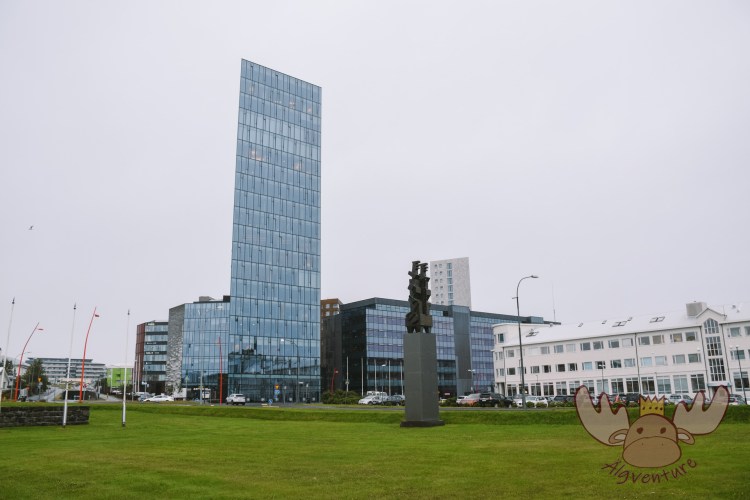
Reykjavik | Die 1971 vom Künstler Sigurjón Ólafsson geschaffene Skulptur Öndvegissúlur befindet sich zwischen dem historischen Gästehaus Höfði und modernen Hochhäusern. – The sculpture Öndvegissúlur, created by artist Sigurjón Ólafsson in 1971, is located between the historic Höfði guesthouse and modern high-rise buildings. 
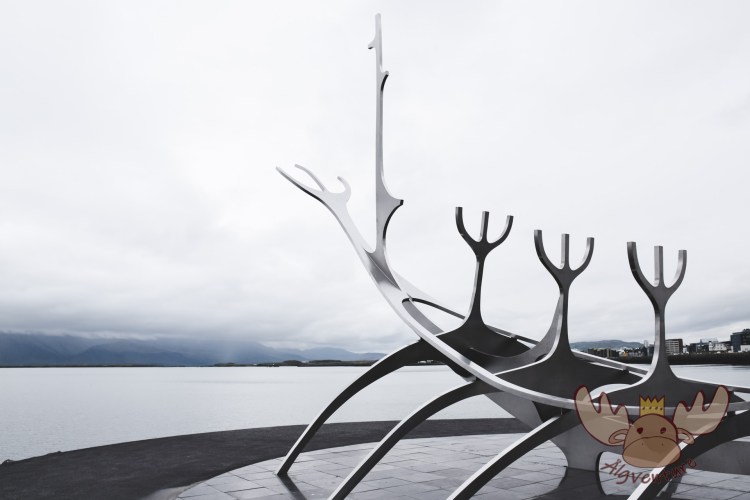
Reykjavík | Die Bootsskulptur Sonnenfahrt vom Künstler Jón Gunnar Árnason wurde 1986 aus Edelstahl gefertigt und steht auf einem Granitsockel am Meer in Reykjavík. – The boat sculpture Sun Voyage by artist Jón Gunnar Árnason was made of stainless steel in 1986 and stands on a granite base by the sea in Reykjavík. 
Reykjavík | Die Bootsskulptur Sonnenfahrt vom Künstler Jón Gunnar Árnason wurde 1986 aus Edelstahl gefertigt und steht auf einem Granitsockel am Meer in Reykjavík. – The boat sculpture Sun Voyage by artist Jón Gunnar Árnason was made of stainless steel in 1986 and stands on a granite base by the sea in Reykjavík. Reykjavík | Die Bootsskulptur Sonnenfahrt vom Künstler Jón Gunnar Árnason wurde 1986 aus Edelstahl gefertigt und steht auf einem Granitsockel am Meer in Reykjavík. – The boat sculpture Sun Voyage by artist Jón Gunnar Árnason was made of stainless steel in 1986 and stands on a granite base by the sea in Reykjavík.
Harpa
The Reykjavík Concert and Conference Hall opened in 2011. The building, which was initially unpopular because of its architecture and location, has been gaining popularity among residents and tourists for years. The high construction costs and the location on the old harbor upset the Icelanders, but after the economic crisis the building became a symbol of the country’s future.
The 43 meter high building consists of two slightly offset cuboid parts with sloping edges. The glass facade with its honeycomb structure reflects light in different colors. The special glass in yellow, orange and green versions was used at Reykjavík’s concert hall. These colors can be seen when viewed directly; the respective complementary colors appear in the reflection.
The changing daily lunchtime shows, many in English, always attract a large crowd.
The current program can be viewed on the official homepage.

Reykjavik | Das 2011 neueröffnete Opern- und Konzerthaus Harpa in der isländischen Hauptstadt Reykjavik – The Harpa Opera and Concert House in the Icelandic capital Reykjavik, reopened in 2011. 
Reykjavík | Die wabenartige Glasfassade des modernen Konzert- und Konferenzhaus in Reykjavík. – The honeycomb-like glass front of the modern concert and conference house in Reykjavík. 
Reykjavík | Die wabenartige Glasfassade des modernen Konzert- und Konferenzhaus in Reykjavík. – The honeycomb-like glass front of the modern concert and conference house in Reykjavík. 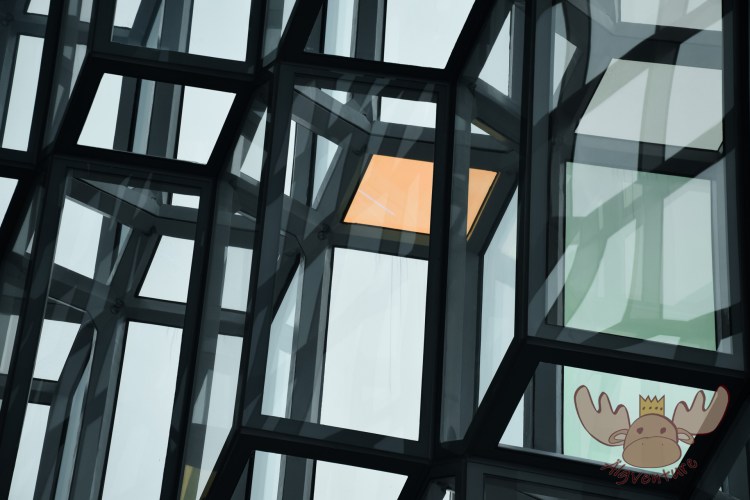
Reykjavík | Die wabenartige Glasfassade des modernen Konzert- und Konferenzhaus in Reykjavík. – The honeycomb-like glass front of the modern concert and conference house in Reykjavík. 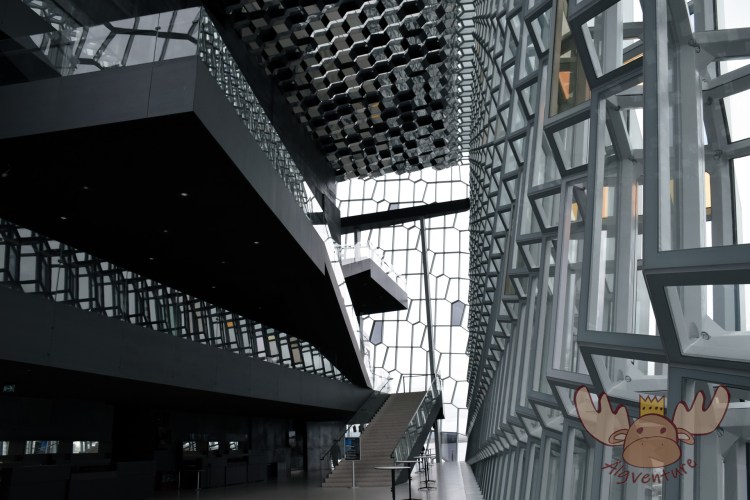
Reykjavik | Das 2011 neueröffnete Opern- und Konzerthaus Harpa in der isländischen Hauptstadt Reykjavik – The Harpa Opera and Concert House in the Icelandic capital Reykjavik, reopened in 2011. 
Reykjavík | Kunstinstallation vor dem Konzert- und Konferenzhaus Harpa. – Art installation in front of the Harpa Concert and Conference House.
Perlan
Perlan is located on a mountain above Reykjavík, surrounded by the enchanting forests of Öskjuhlíð Hill. It houses a modern nature exhibit, a real indoor ice cave, a 4K planetarium, a 360° observation deck with great views of the Icelandic capital and more. Perlan’s nature exhibit brings the wonders of Iceland to life. The forces of volcanoes and Iceland’s geological history are brought to life through film and images. You embark on a virtual journey in a realistic recreation of the breathtaking landscapes of Iceland. In a 100 meter long artificial ice cave you can immerse yourself in a magical glacier experience.
Áróra is Perlan’s award-winning planetarium show, where the Northern Lights dance around visitors in a cinema-like hall.
The viewing platform offers a wonderful view of Reykjavik and its surrounding area. The café located there offers small snacks to sweeten the panorama. Further information can be found on the official website.
Áróra is Perlan’s award-winning planetarium show, where the Northern Lights dance around visitors in a cinema-like hall.
The viewing platform offers a wonderful view of Reykjavik and its surrounding area. The café located there offers small snacks to sweeten the panorama. Further information can be found on the official website.
FlyOver Iceland
The relatively new attraction in Reykjavík is located in the old harbor opposite the Harpa concert hall. The new building is filled with the latest technology to take visitors on a breathtaking journey through Iceland. An elaborately shot film is shown in front of a 20 meter high spherical screen in which you feel as if you were gliding over the unique landscape like a bird. Special effects such as wind, fog and smells, combined with the movement of the ride, immerse visitors in an unforgettable experience.
Further information can be found on the official website.
The Old Harbour
The Old Harbor is the heart of Reykjavík and the reason the city was founded. The starting point of the city’s development was the harbor area and in the early 20th century it became one of the centers of the Icelandic trawling fishery. In recent years the appearance has changed fundamentally. While it is still one of Iceland’s main ports, in recent years tourism and whale watching have gradually replaced fishing vessels, while shops and restaurants have moved into the old warehouses.
This relatively small area offers a great way to spend the day visiting shops, cafes and museums that offer an insight into Icelandic history and culture, as well as taking the opportunity to sample some of Iceland’s best food.
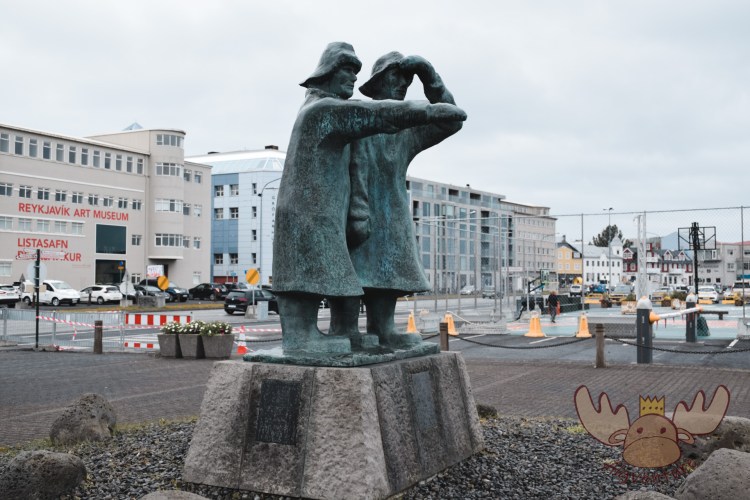
Reykjavik | Ingi Þ. Gíslason erschuf die Bronzeskulptur „Looking Seawards“, früher bekannt als „Horft til hafs“, welche seit 1997 an der alten Küstenlinie im Stadthafen steht. – Ingi Þ. Gíslason created the bronze sculpture „Looking Seawards“, formerly known as „Horft til hafs“, which has stood on the old coastline in the city harbour since 1997. 
Reykjavik | Vor dem Schifffahrtsmuseum im alten Hafen steht das alte isländische Fischerboot Gullborg. – In front of the maritime museum in the old harbour is the old Icelandic fishing boat Gullborg. 
Reykjavik | Die Denkmallokomotive Minør in der isländischen Hauptstadt. – The Minør monument locomotive in the Icelandic capital.
Árbær Open-Air Museum
A little away from the city center is the Árbær open-air museum. It is the largest open-air museum in Iceland and grew out of a farm, which is the only building in the museum that still stands in its original location. The other buildings were added over time and come from Reykjavík and its surroundings.
Árbær was inhabited until 1948, when the last resident moved away. Recent archaeological excavations indicate that the site was occupied either permanently or temporarily in the 10th century. The museum was opened in 1957 and houses around 30 historical buildings as well as one of the only two steam locomotives that ever existed in Iceland. The other locomotive was erected as a monument in the old port. This makes Iceland the only country in the world where all the steam locomotives that ever ran there are kept in a museum.
Further information, such as opening times or entrance fees, can be found on the official homepage. Information about the houses can also be found on this page.
How to get there?
The easiest way to get to Reykjavík, as well as Iceland in general, is via Keflavík Airport, which is only about 50 kilometers away. The capital of Iceland is also located on the country’s main road – the Ring Road. The city is therefore a very good starting point for exploring the south and southwest of Iceland. The ring road is also the second very popular entry route to Reykjavík. The ferry dock from Denmark is exactly on the other side of Iceland in Seyðisfjörður.
Conclusion:
Reykjavík is definitely worth a visit, especially with an appropriate excursion program. Many restaurants invite you to linger and enjoy and with the multitude of museums and sights it is difficult to get bored. Art enthusiasts will not be disappointed in Reykjavik either, as there are many sculptures and shops selling handmade works of art throughout the city. But Iceland has so much more to offer than just its capital, so you shouldn’t forget to leave the city during your stay and explore the country.


The South of the North – A travel report
It was that time again – we were embarking on a new adventure. After our stay with the Queen in London a few weeks earlier, we were drawn out into the world again to explore it. Many blank spots on our travel map are just waiting to be discovered by us. The general direction of…


Sunset on the Dachstein – Dinner in the Austrian Alps
The Dachstein: The jewel of the Alps attracts nature lovers and adventure seekers alike. Experience the breathtaking beauty of the Alpine landscape, from rugged rock faces to glittering glaciers. Whether you are an experienced mountaineer or a leisurely hiker – the Dachstein has something for everyone. Via ferratas, summit tours or leisurely hikes: everyone will…
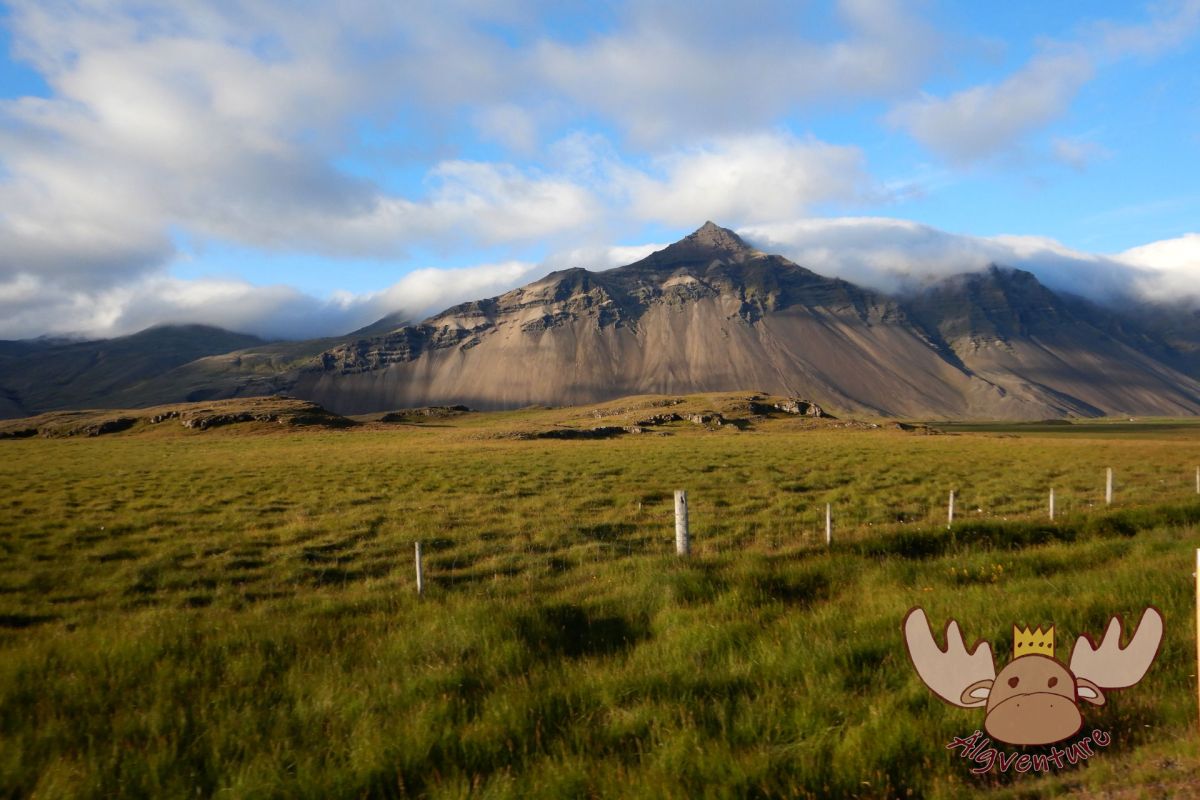
In search of elves and banana plantations – A trip to Iceland
Imagine standing on the edge of a gurgling geyser while steam fogs up your glasses. Or hiking through a lunar landscape of black sand, framed by snow-capped peaks. Sound like an adventure? Iceland is just that and much more!
Join me on my adventure to Denmark, Iceland and the Faroe Islands.
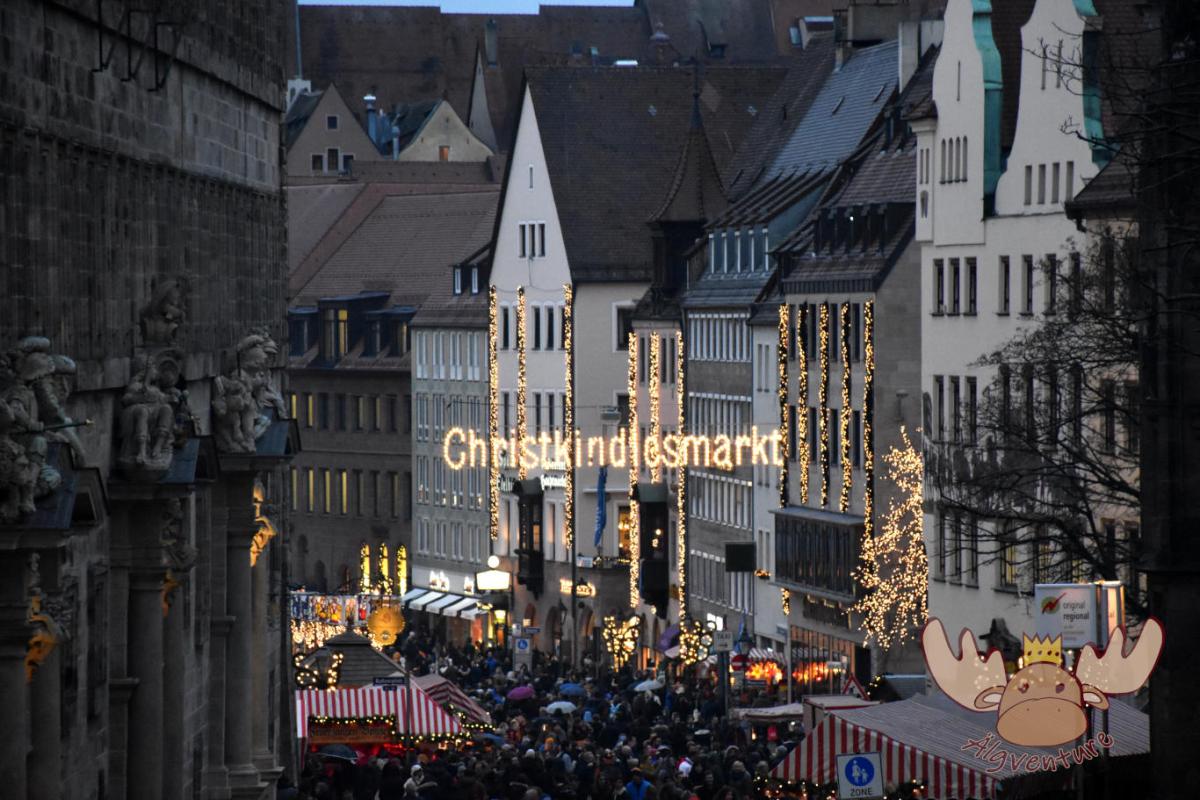
Christkindlesmarkt Nuremberg
Almost everyone has heard of him and many have seen him too. The Nuremberg Christmas market is one of the largest in Germany and we tell you about our visit.
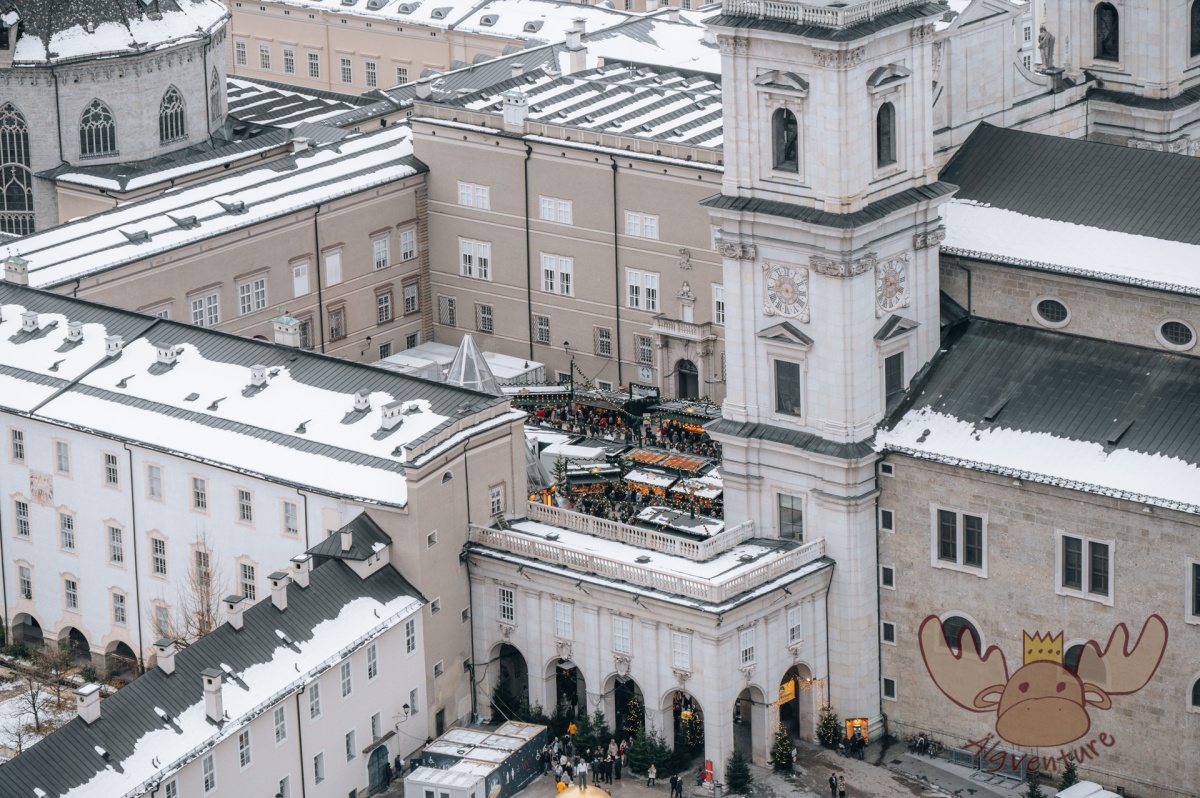
One weekend, four different Christmas markets – an exploration tour through the Austrian Christmas market tradition
The Christmas season is just around the corner and the various Advent markets want to get visitors into the Christmas spirit with their offerings. We’ll take you on our exploration tour to the most diverse representatives of Austrian Christmas market culture.
Etwas ist schiefgegangen. Bitte aktualisiere die Seite und/oder versuche es erneut.
 Älgventure