
If it’s enough for an emperor, it is just right for an Älg.
Älgbert Elgson
Dieser Artikel ist auch in Deutsch verfügbar.
The Nuremberg Castle is one of the most important and historical castles in Germany. THE castle is actually wrong, because it consists of two separate castles with different uses and histories.
The settlement of Nuremberg likely began on and around the castle hill, as excavations show.
Today a museum is housed in the Imperial Castle of Nuremberg. For more information, especially the current opening times, please refer to the official website.
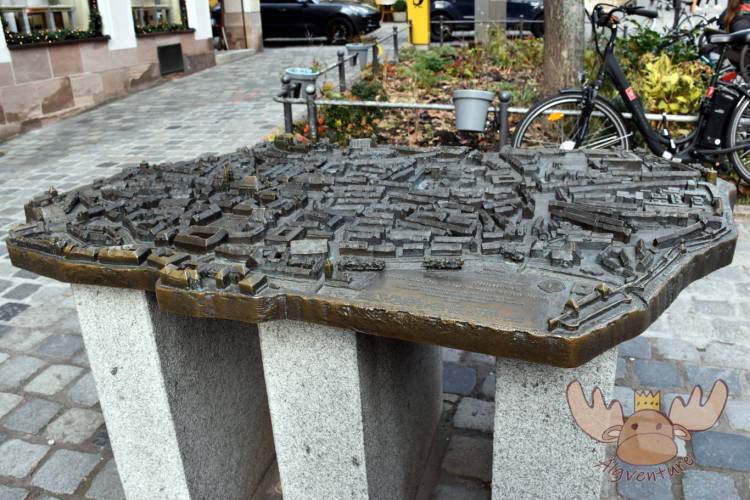
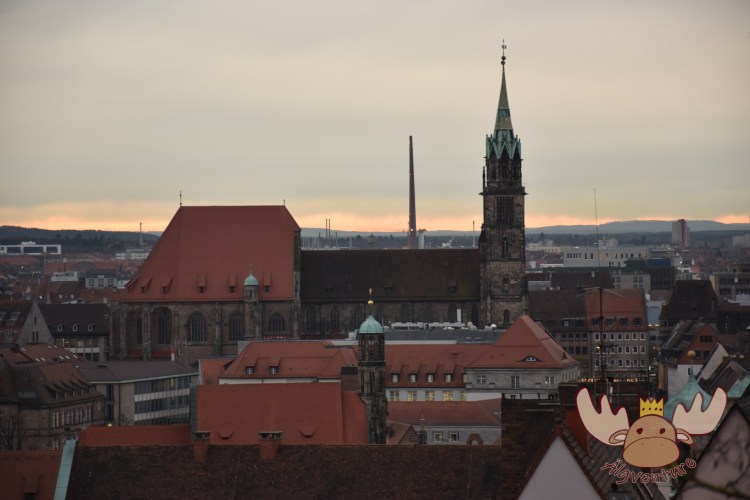
The two castles are situated high above the city of Nuremberg. From here you have a wonderful all-round view of the old town when the weather is nice.
The earliest structural remains date from around the year 1000. In terms of architectural history, three phases can be distinguished in two main styles:
- in the first half of the 11th century the Salian royal castle in Romanesque style
- around the year 1200 the Staufer imperial castle in Romanesque style
- in the 15th century the rebuilding of the palace and urban buildings in the Gothic style
Subsequent modifications have changed the original buildings.
In the course of history it has repeatedly witnessed and set the scene for important events, such as the signing of the Golden Bull, the imperial code of law and the basic laws of the Holy Roman Empire of the German Nation. The chapel was once also a branch of the Teutonic Order until the latter handed the building over to the city of Nuremberg in 1419.

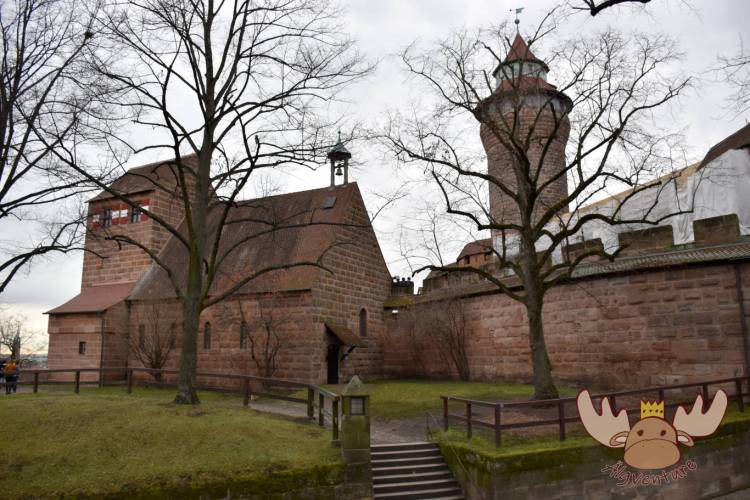

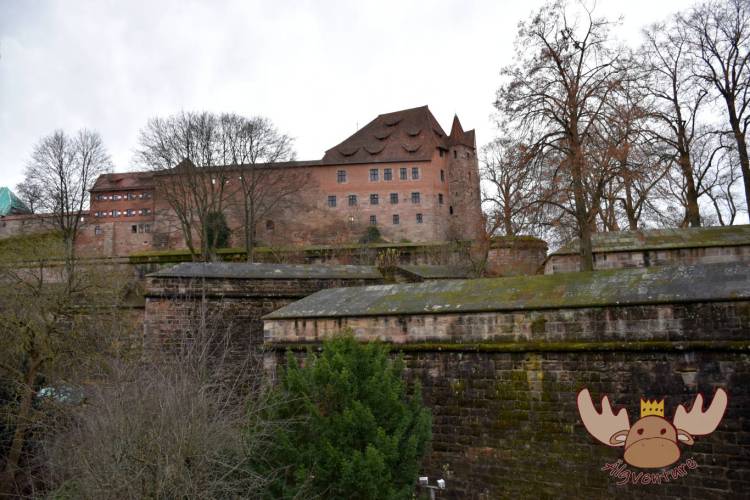
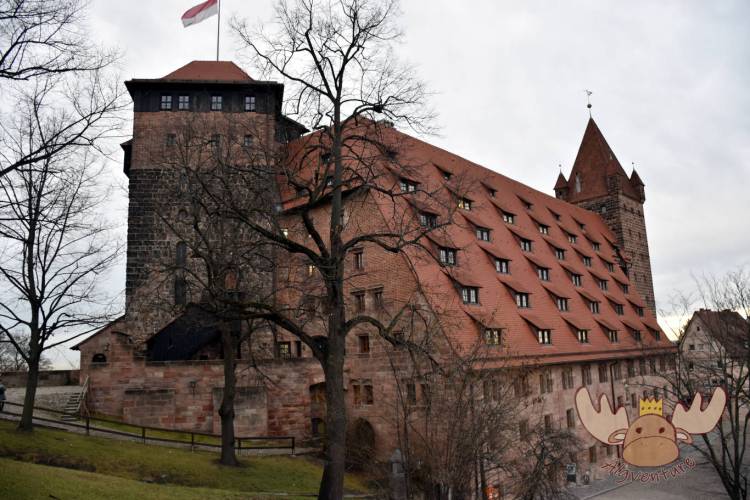
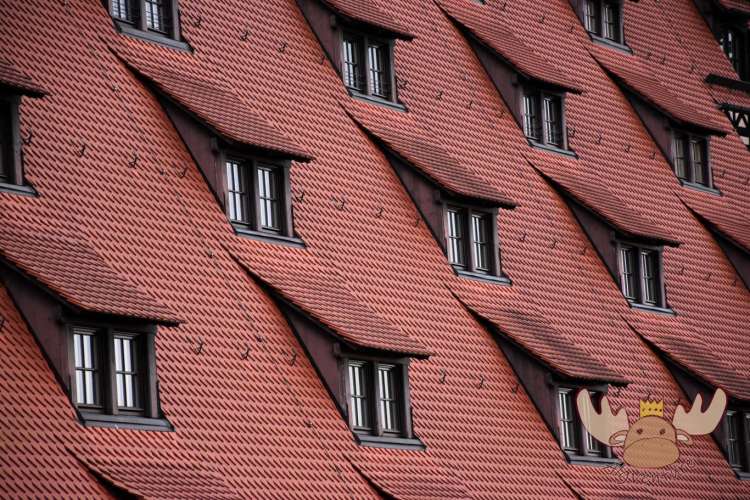
The museum is housed in the rooms of the Imperial Castle. Unfortunately, the interior of the building was completely rebuilt by the National Socialists as early as the 1930s according to their ideas and the historical furnishings were destroyed. Instead of splendidly decorated walls, there are now simple oak panels. The so-called restoration of the „creative monument preservation“ should remove the „weak costume“ of the castle.
The journal „Der Baumeister“ rated the Nazi redesign measures euphorically at the time: „When we visit Nuremberg Castle today, we are no longer greeted by a false theater magic that has nothing to say to us inside, but we experience it again at every turn the noble old imperial castle, which with its powerful size and austere beauty based on its simple design, casts its spell over us as a work of rediscovered old, solid German craftsmanship. It is indisputable achievement of the men who have been at work here to have brought this original greatness back to life. „
The castle was also badly damaged during World War II. Only the double chapel and the Sinwell Tower survived the bombing almost unscathed.
In the post-war period, the castle was largely rebuilt, but due to a lack of money, the reconstruction of the interior design from the 18th and 19th centuries was waived, so that the interior can largely be seen in the same form as after the renovation measures of 1934/35.
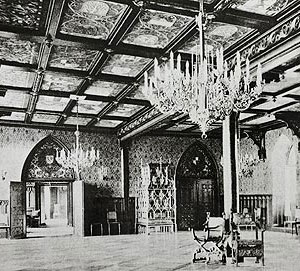
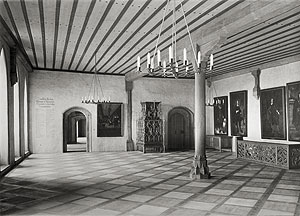
durch Rudolf Esterer
Quelle: https://www.kaiserburg-nuernberg.de/deutsch/burg/index.htm
The permanent exhibition deals with German history, in particular the history of the Holy Roman Empire of the German Nation in the Middle Ages. With the help of display boards, objects and multimedia, visitors are brought closer to this exciting and formative story in an interesting way. A large collection of late medieval weapons and armor can be found on the upper floors.
Today the castle is owned by the Bavarian Palace Administration and is mainly used for tourism. Individual buildings are also used as residential or official buildings and temporarily for parties and state receptions. One of the largest and most modern youth hostels in Germany is now located in the former imperial stables, which used to be the town’s granary.

Kaiserburg Nürnberg | Kaiserburg Nuremberg 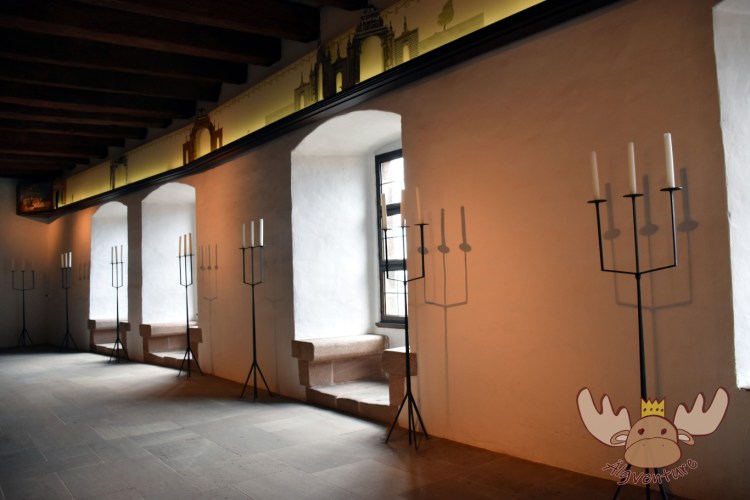
Kaiserburg Nürnberg | Kaiserburg Nuremberg 
Kaiserburg Nürnberg | Kaiserburg Nuremberg 
Kaiserburg Nürnberg | Kaiserburg Nuremberg 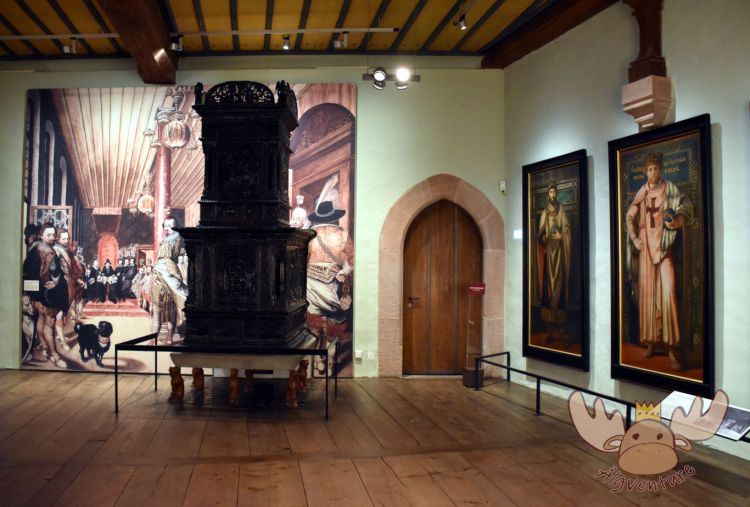
Kaiserburg Nürnberg | Kaiserburg Nuremberg 
Kaiserburg Nürnberg | Kaiserburg Nuremberg 
Kaiserburg Nürnberg | Kaiserburg Nuremberg 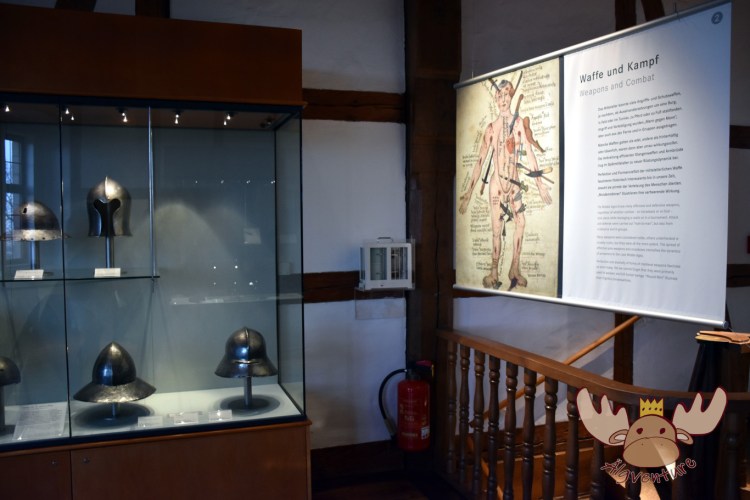
Kaiserburg Nürnberg | Kaiserburg Nuremberg 
Kaiserburg Nürnberg | Kaiserburg Nuremberg 
Kaiserburg Nürnberg | Kaiserburg Nuremberg 
Kaiserburg Nürnberg | Kaiserburg Nuremberg 
Kaiserburg Nürnberg | Kaiserburg Nuremberg
The water supply to the castle was secured by two castle wells in the event of a siege. The fountain of the former Burggrafenburg is located a few meters south of the pentagonal tower. The draw well, which is around 20 meters deep, drew water from the castle sandstone.
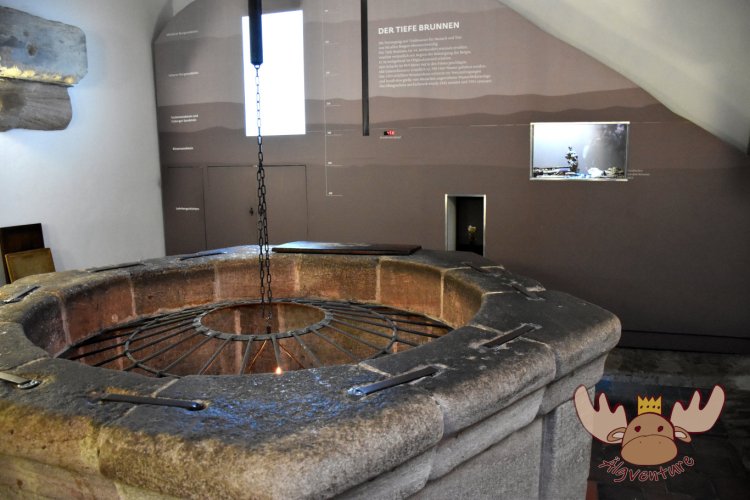
The deep well of the imperial castle is probably as old as the castle complex itself. The shaft was carved into the rock and has a diameter of 2.2 to 1.7 and a depth of 53 meters. It leads through layers of castle and parlor sandstone to the Pegnitz water table.
It is possible to visit the deep well every half hour after purchasing an entrance ticket. This is not far from the ticket counter outside the Imperial Castle. The well building is relatively small. Therefore, it can quickly become very tight with a travel group. To get a feel for the depth of the well, a museum employee first pours some water down and you count the seconds until you hear the sound of the water hitting the surface. Warning spoilers: it takes a long time. Then another camera, illuminated by burning candles, is lowered into the shaft in order to be able to see the inside better.


How to get there?
It is very easy to travel to Nuremberg by train. The main train station is only a 15-minute walk from the heart of the old town and can therefore be easily reached on foot. Everywhere in the city there are also enough parking garages to be able to drive directly to Nuremberg by car. The bus traffic in the city is also clearly laid out and very tightly timed even on weekends, so that nothing stands in the way of a visit on foot or by public transport.
Conclusion:
If you are in Nuremberg, you have to look at the castle – it towers high above the city and can be seen from almost everywhere. From the castle you also have a wonderful all-round view of the country (hence the name of the tower „Luginsland“ – Old German for „look into the country“).
The visit to the deep well would be criticized here. First of all, it is not clear where to wait for the viewing. (Just sit on the benches in front of the entrance door of the fountain house – every 30 minutes a museum employee comes and opens the door for you to visit). The tour itself is not particularly long either. On the one hand this is due to the small size of the well house and on the other hand it is simply a water source. We would like to have found additional information about the castle and the former residents here. So they just poured several buckets of water into the hole and said that the well is very deep.
The exhibition in the castle is very extensive. It is not difficult to forget the time and to sink into the information. Provided you are interested in the topic.


The South of the North – A travel report
It was that time again – we were embarking on a new adventure. After our stay with the Queen in London a few weeks earlier, we were drawn out into the world again to explore it. Many blank spots on our travel map are just waiting to be discovered by us. The general direction of…

Sunset on the Dachstein – Dinner in the Austrian Alps
The Dachstein: The jewel of the Alps attracts nature lovers and adventure seekers alike. Experience the breathtaking beauty of the Alpine landscape, from rugged rock faces to glittering glaciers. Whether you are an experienced mountaineer or a leisurely hiker – the Dachstein has something for everyone. Via ferratas, summit tours or leisurely hikes: everyone will…

In search of elves and banana plantations – A trip to Iceland
Imagine standing on the edge of a gurgling geyser while steam fogs up your glasses. Or hiking through a lunar landscape of black sand, framed by snow-capped peaks. Sound like an adventure? Iceland is just that and much more!
Join me on my adventure to Denmark, Iceland and the Faroe Islands.
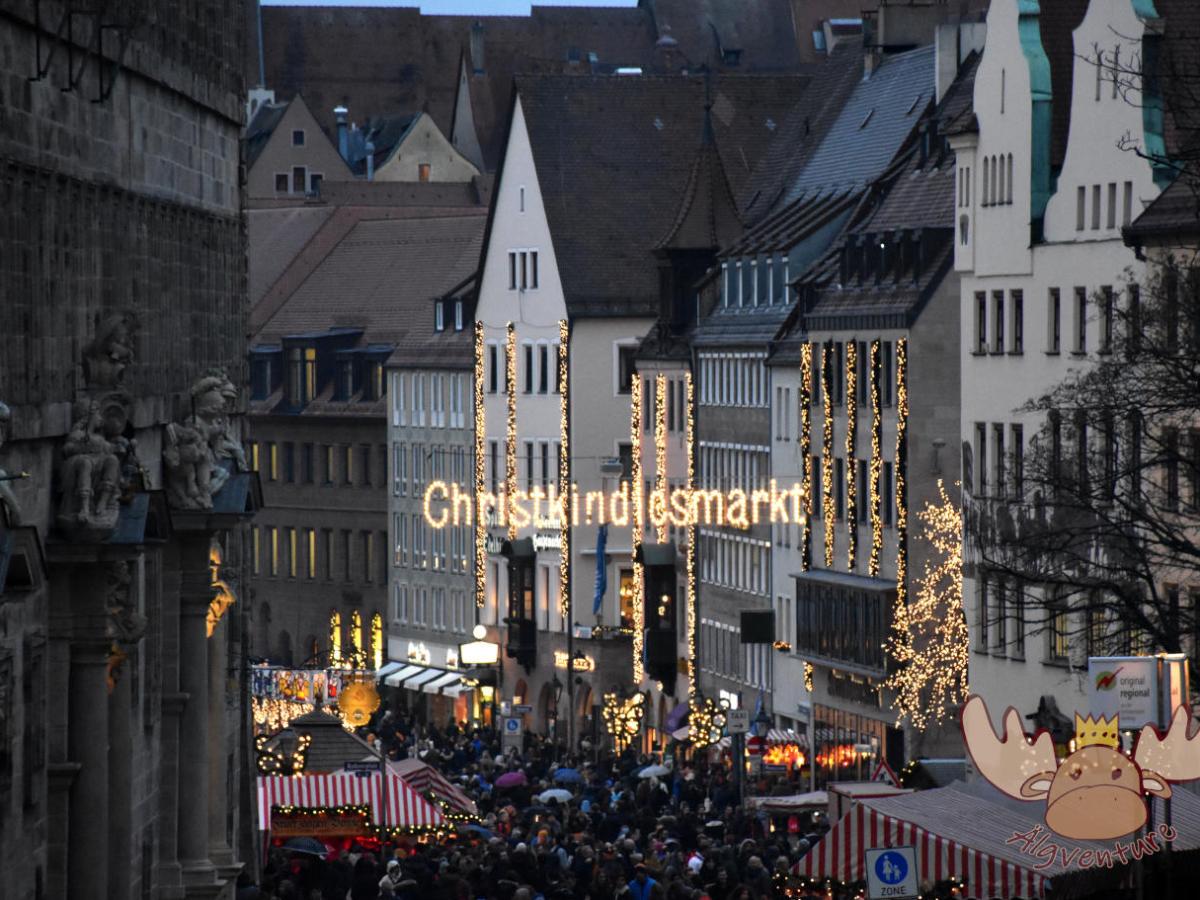
Christkindlesmarkt Nuremberg
Almost everyone has heard of him and many have seen him too. The Nuremberg Christmas market is one of the largest in Germany and we tell you about our visit.
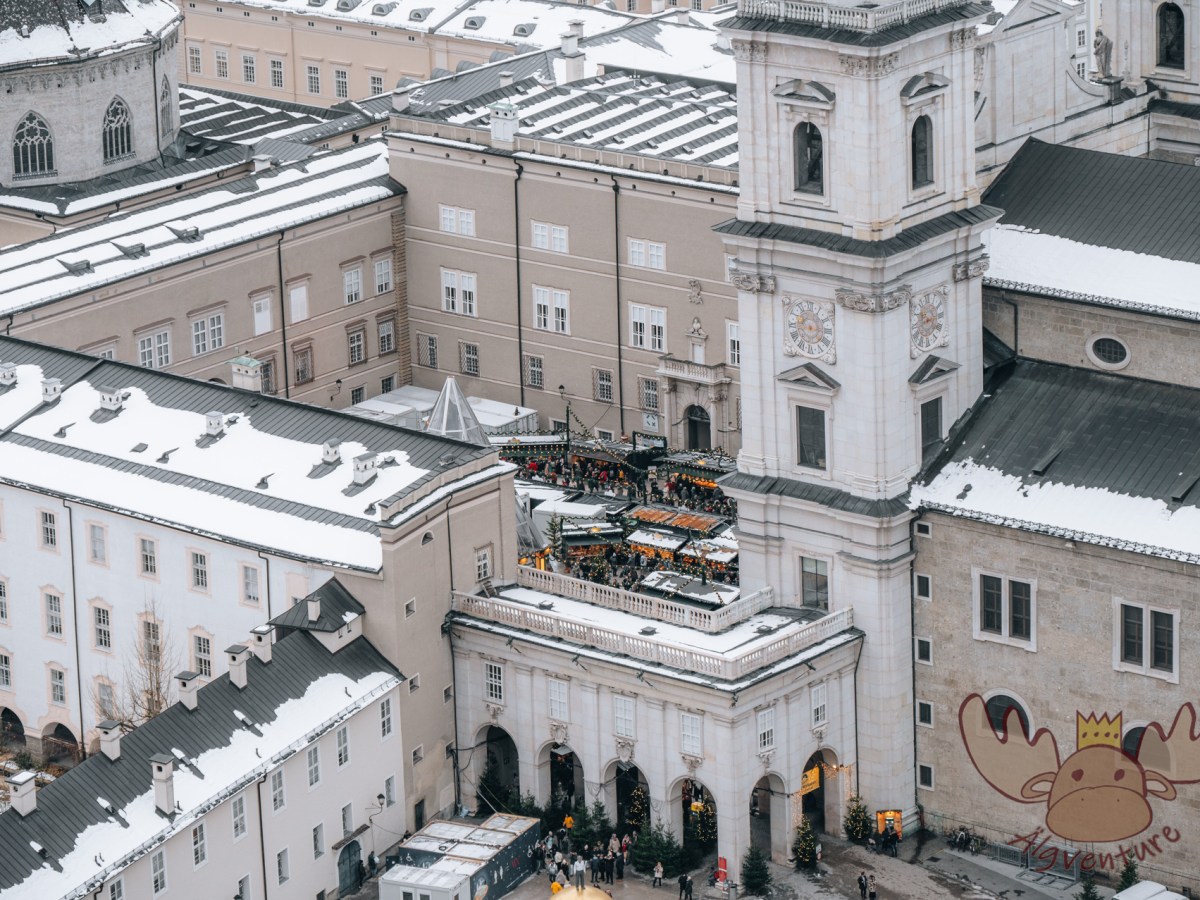
One weekend, four different Christmas markets – an exploration tour through the Austrian Christmas market tradition
The Christmas season is just around the corner and the various Advent markets want to get visitors into the Christmas spirit with their offerings. We’ll take you on our exploration tour to the most diverse representatives of Austrian Christmas market culture.
 Älgventure