
Fish for the world!
Älgbert Elgson
Dieser Artikel ist auch in Deutsch verfügbar.
The Herring Museum in Siglufjörður is one of Iceland’s largest museums. Visitors learn about the fascinating history when the Icelandic nation went from centuries of poverty to general prosperity, with the herring playing one of the main roles as the way of life in Iceland changed significantly in the 20th century. The events surrounding the herring were so important to the people and the country that they spoke of an adventure – síldarævintýrið (English: herring adventure).
Large and small herring farms sprang up at every harbour in the north and east of the Icelandic island, and Siglufjörður developed into one of the most important fishing ports in Iceland due to its favourable location and large sheltered harbour. Although today the northern herring has long since disappeared due to overfishing, the town bears clear traces of the spectacular events of the herring years. Síldarminjasafn preserves Iceland’s and especially the town’s important past and brings it closer to visitors. At its height, around 10,000 people were employed catching and processing the fish in Iceland, and the fish market in the centre of Siglufjörður was the fifth largest in Iceland.
The museum’s exhibitions are housed in three buildings, most of which have been preserved in their original state, and focus on herring fishing and processing.
Róaldsbrakki is a Norwegian herring house from 1907 that still looks as it did in the years of the herring adventure, when the so-called herring girls lived there.
Grána House is host to a museum about the history of the cottage industry, which has long been referred to as Iceland’s first major industry. Here visitors can see a small herring factory from the 1930s and learn more about the process of producing valuable fish meal and fish oil from herring.
Ships and boats are parked in the boathouse, which Crown Prince Hákon of Norway officially opened in a ceremony in June 2004, creating the atmosphere of a herring harbour around 1950.

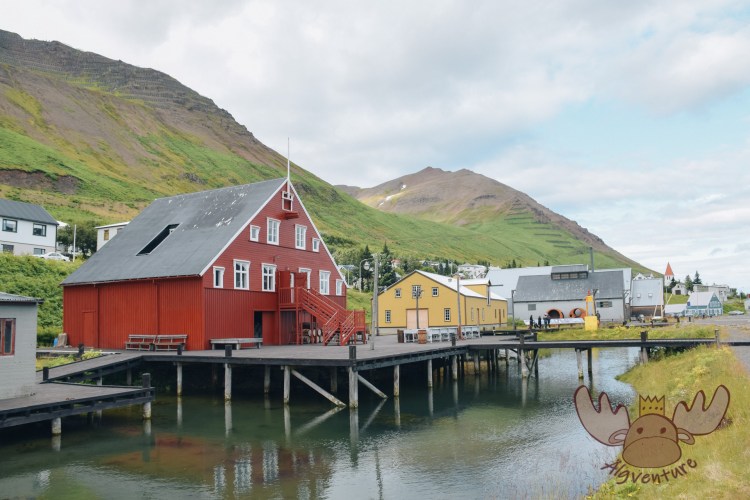
Síldarminjasafn Íslands | Einfahrt in das Fischerdorf Siglufjörður – Entrance to the fishing village of Siglufjörður Síldarminjasafn Íslands | Im alten Wohnheim, Verpackungshaus und Maschinenraum des Hafens von Siglufjörður ist das Museum untergebracht. – The museum is housed in the old dormitory, packing house and engine room of the port of Siglufjörður. 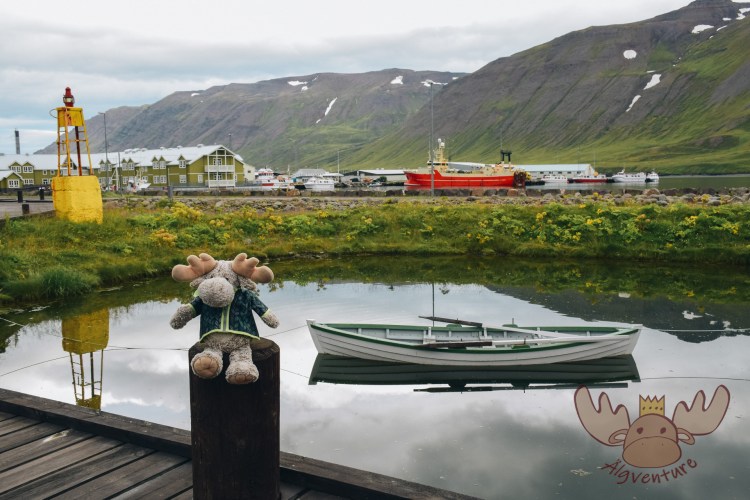
Síldarminjasafn Íslands | 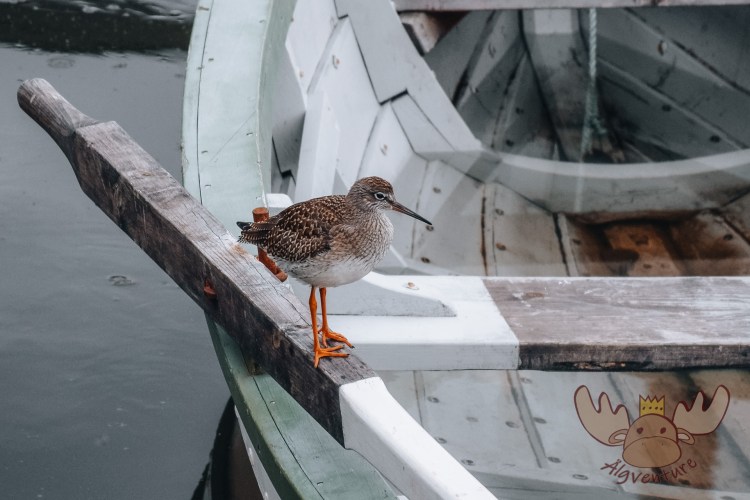
Síldarminjasafn Íslands | Rotschenkel – Redshank 
Síldarminjasafn Íslands | 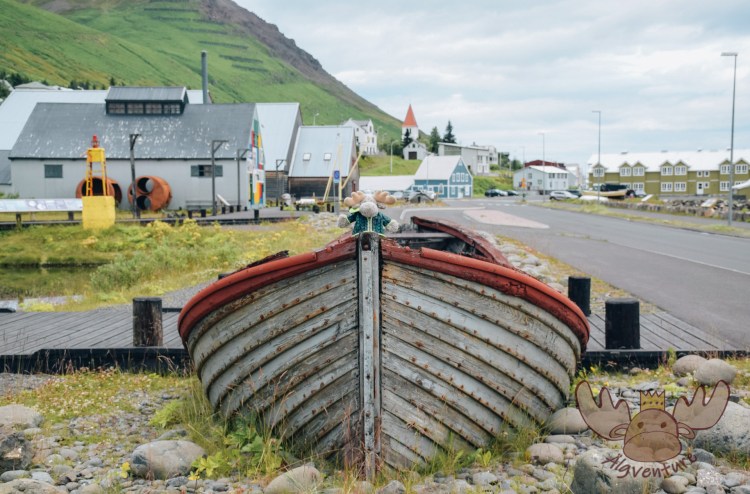
Síldarminjasafn Íslands | Älgbert versucht sich als Kapitän an Land. – Älgbert tries his hand at being a captain on land. 
Síldarminjasafn Íslands | Das Schiff „STEINI VIGG“ liegt im Hafen von Siglufjörður – The ship „STEINI VIGG“ is moored in the harbor of Siglufjörður
The trail of history
At the beginning of the 19th century, new fishing technologies and techniques were introduced in Iceland. For example, the introduction of engine-powered vessels and more efficient equipment significantly increased the yield of cod and herring fishing. The accompanying social improvement contributed to rapid improvements in living conditions and ushered in a new era in which widespread poverty and economic stagnation soon became a thing of the past.
At the beginning of the second half of the 19th century, the influence of the Norwegians began to grow. They used huge land-based nets in the fjords of East Iceland and Eyjafjörður in the north of the country. The Norwegian ship owners soon bought land along the coasts, built houses and piers and exerted huge influence on the economic and urban development of places like Seyðisfjörður and Eskifjörður in the eastern fjords.

Síldarminjasafn Íslands | Siglufjörður war einer der wichtigsten Heringshafen Islands. – Siglufjörður was one of Iceland’s most important herring ports. Síldarminjasafn Íslands | Im alten Wohnheim, Verpackungshaus und Maschinenraum des Hafens von Siglufjörður ist das Museum untergebracht. – The museum is housed in the old dormitory, packing house and engine room of the port of Siglufjörður. 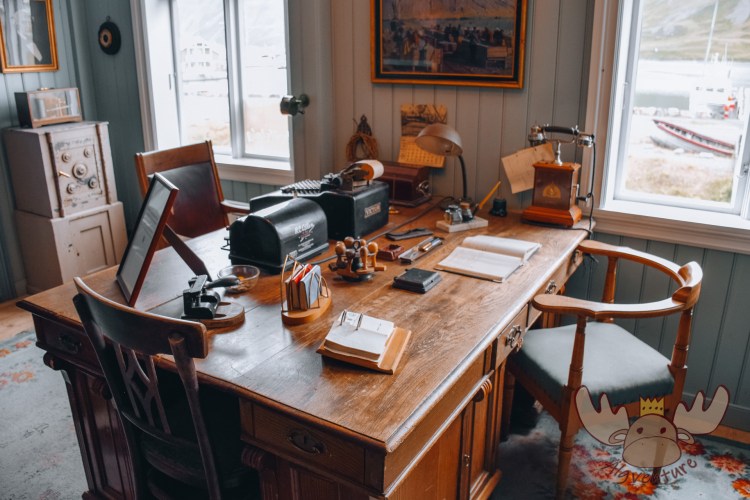
Síldarminjasafn Íslands | Das alte Vorarbeiterbüro ist eingerichtet wie zur besten Zeit des Heringsfangs in den 1950er Jahren. – The old foreman’s office is furnished like it was during the heyday of herring fishing in the 1950s. 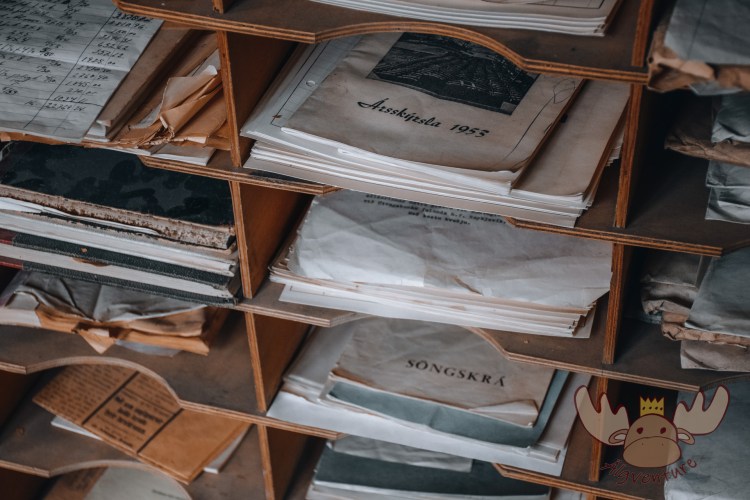
Síldarminjasafn Íslands | Alle wichtigen Dokumente waren stets griffbereit. – All important documents were always at hand. 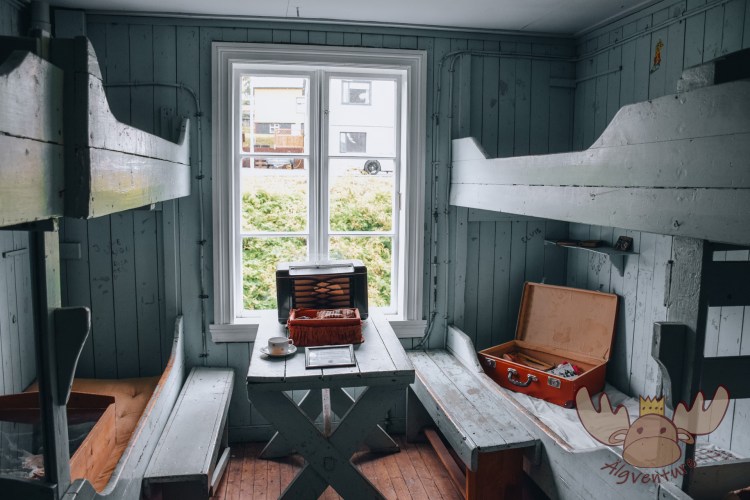
Síldarminjasafn Íslands | In Zimmern wie dieses waren die jungen Männer und Frauen die aus allen Teilen Islands kamen währen der Heringssaison untergebracht. – Rooms like this housed the young men and women who came from all parts of Iceland during the herring season.
After 1883, a combination of pack ice, cold winters and hard times put an early end to the Icelandic herring fishery, but by 1903 the Norwegians had returned to Icelandic waters once again. The large Norwegian fishing fleet must have been an overwhelming sight for the Icelanders, who fished the open waters off northern Iceland with their drift nets. Around the same time, these pioneers began to introduce even better and more efficient fishing methods in Iceland with excellent results. This led to new herring towns being established and hundreds of Icelanders finding work in the new industry, processing herring for the Norwegians.

But the Icelanders did not just sit passively by, but participated fully in this new adventure and soon began to take fishing and sales activities into their own hands. Consequently, the Norwegian dominance of the industry went into a gradual but final decline. Already in 1916, for the first time, the barrels processed by Icelanders exceeded those processed by Norwegians.
The salted herring packed in wooden barrels quickly became a very important food for many European countries, especially during the period of the two world wars. The main export markets in the first half of the 20th century were Sweden, Denmark, Finland, Russia, Germany and the United States.
Herring fishing became the single most important export sector for Iceland, that for many years it accounted for an astonishing 25% of Iceland’s total export earnings. In the best fishing years, this figure also reached up to 45 % of the country’s total export.
However, the herring was not only processed for human consumption, but also made into fish meal and oil in factories. The meal later became a feed for farm animals throughout Europe, while the oil was used in the chemical industry, for example to make soap and other care products.
The first herring processing plant in Iceland was built in Siglufjörður in 1911. Soon people realised the possibilities of this new profitable industry and larger and better equipped plants followed in all major herring ports in the country. The spread and scale of these factories was such that they are now seen as a sign of the arrival of industrialisation in Iceland, and they still characterise the townscape in many places today.
But the golden years of herring fishing were to be short-lived. As catch numbers declined in the 1950s, new and even more efficient fishing methods were developed in Iceland and applied in the fish-rich waters to the north and east of the country. In the following years, more and more herring were caught each year in the waters east of Iceland. However, as a result, by 1969 the herring stocks had been overfished to the point where catch numbers literally collapsed. This heralded the decline of Iceland’s now huge and hugely important fishing industry. The country’s most important employment and economic sector, and with it all the herring towns, suffered a severe blow from the disappearance of herring. In the late 1960s, herring accounted for up to half of Iceland’s export earnings and was crucial to the country’s rapid economic growth.
The great “ síldarævintýrið“ was over again after 100 years.
Useful Information
Siglufjörður is the northernmost town in Iceland, but that doesn’t mean it’s hard to get to. Traces of its former glory as the herring capital of Iceland can still be seen. Although many of the old houses and piers from the days of the great herring adventure have disappeared, some prominent reminders remain. Such as Róaldsbrakki, which is part of the museum. The factory building of SR-Mjöl, once Iceland’s largest fishmeal factory, built in 1946 also remains. In order to keep up with the rapid growth of Siglufjörður, the main street, for example, was designed especially generously for such a small town today, when attempts were made to turn it into a small metropolis.
Today, the town has about 1300 inhabitants and all basic services (e.g. for tourists) can be found in the town.
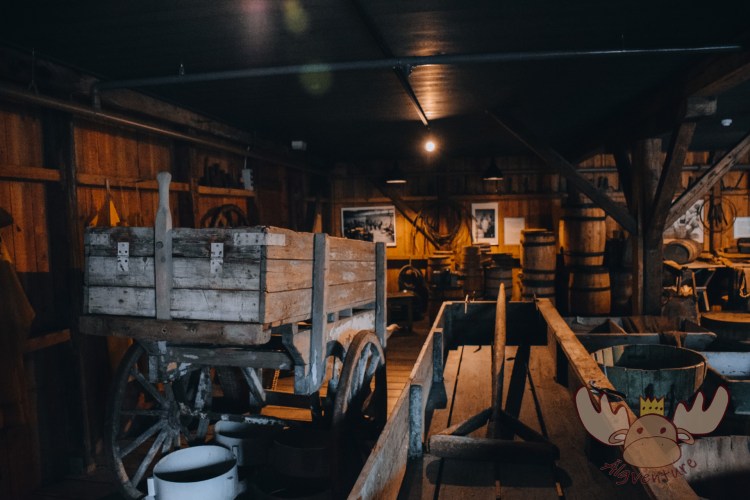
Síldarminjasafn Íslands | Im alten Verpackungshaus sind Gerätschaften ausgestellt mit denen die wertvolle Ware damals in alle Welt versandt wurden. – In the old packing house there is equipment on display that was used to ship the valuable goods all over the world. 
Síldarminjasafn Íslands | 
Síldarminjasafn Íslands | 
Síldarminjasafn Íslands | 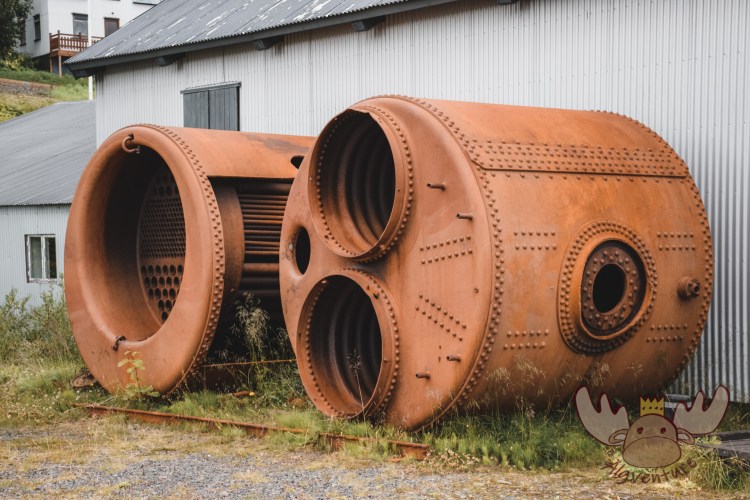
Síldarminjasafn Íslands | Reste des industriellen Fischfangs – Remains of industrial fishing 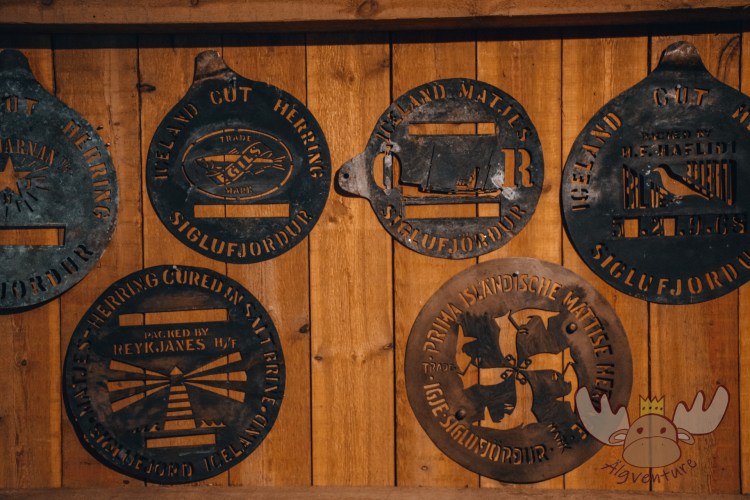
Síldarminjasafn Íslands | Die Fässer wurden von den Herstellern mit ihren eigenen Logos markiert. – The barrels were marked by the producers with their own logos. 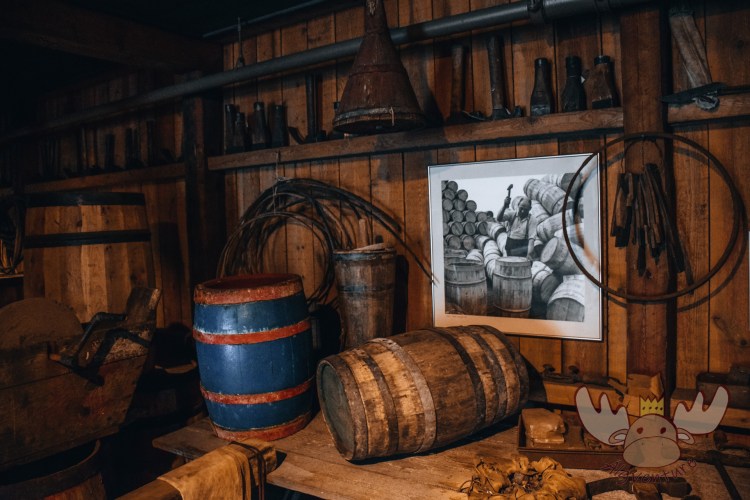
Síldarminjasafn Íslands | Die Heringe wurden in große Fässer verpackt bevor sie verschickt wurden. – The herrings were packed in large barrels before being shipped.
How to get there?
Siglufjörður is located in the Norðurland eystra region, is the northernmost trading town and one of the northernmost municipalities in Iceland. From the ring road, you only have to follow road 76 either coming from the west at Varmahlíð or the homestead at Miklibær, or road 82 coming from the east via Akureyri. Both roads are close to the coast of the Tröllaskagi peninsula and lead directly to Siglufjörður.
The museum is centrally located and there is plenty of parking. If you prefer to travel by public transport, you can do so by bus from Akureyri, for example. Theoretically, you could also travel from Reykjavik by bus, but due to the long distance of about 400 kilometres and an approximate travel time of almost 17 hours (for comparison: the same distance takes almost five hours by car), we advise against it for reasons of time.
Conclusion
Anyone expecting a boring fish museum will be proven wrong. The exhibition is very interesting and teaches visitors about the importance of fishing for Iceland. The museum also shows how important it is to take care of the environment and not to subordinate everything to the economic boom.
Anyone exploring the north of Iceland should invest two hours here and get to know a part of Icelandic culture.


The South of the North – A travel report
It was that time again – we were embarking on a new adventure. After our stay with the Queen in London a few weeks earlier, we were drawn out into the world again to explore it. Many blank spots on our travel map are just waiting to be discovered by us. The general direction of…


Sunset on the Dachstein – Dinner in the Austrian Alps
The Dachstein: The jewel of the Alps attracts nature lovers and adventure seekers alike. Experience the breathtaking beauty of the Alpine landscape, from rugged rock faces to glittering glaciers. Whether you are an experienced mountaineer or a leisurely hiker – the Dachstein has something for everyone. Via ferratas, summit tours or leisurely hikes: everyone will…
In search of elves and banana plantations – A trip to Iceland
Imagine standing on the edge of a gurgling geyser while steam fogs up your glasses. Or hiking through a lunar landscape of black sand, framed by snow-capped peaks. Sound like an adventure? Iceland is just that and much more!
Join me on my adventure to Denmark, Iceland and the Faroe Islands.
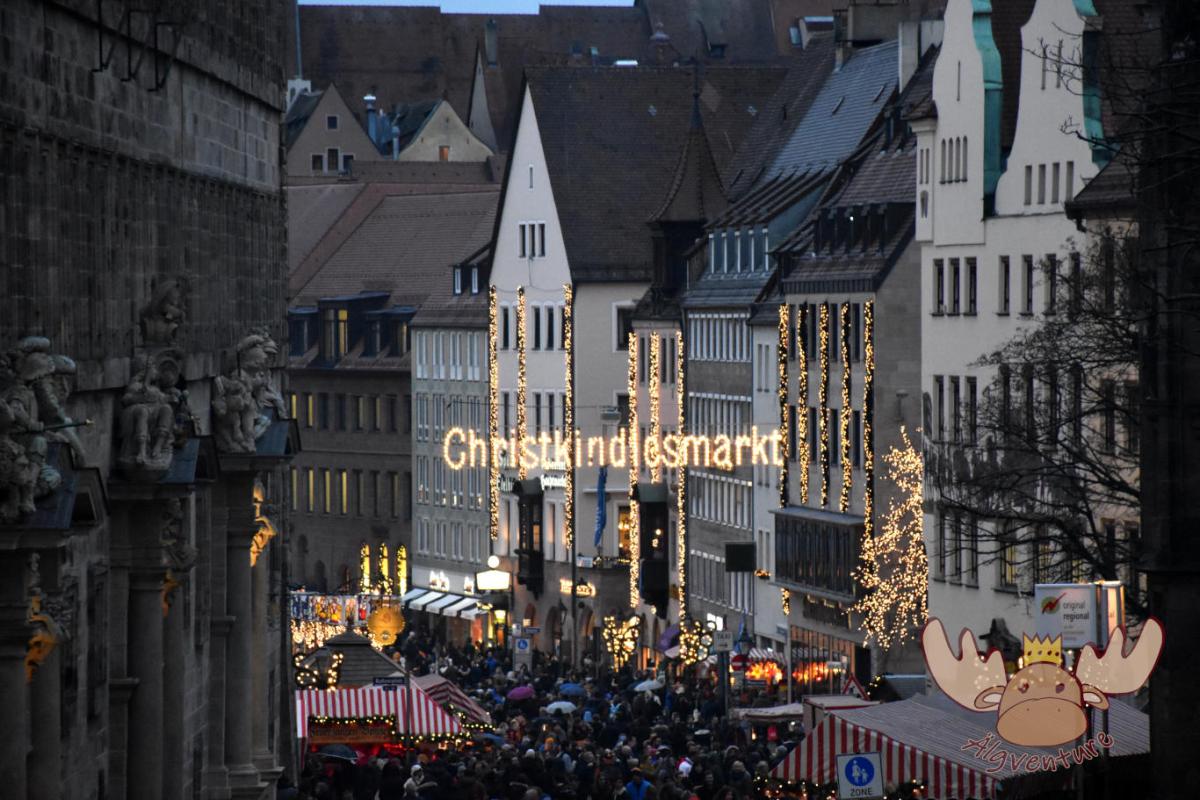
Christkindlesmarkt Nuremberg
Almost everyone has heard of him and many have seen him too. The Nuremberg Christmas market is one of the largest in Germany and we tell you about our visit.
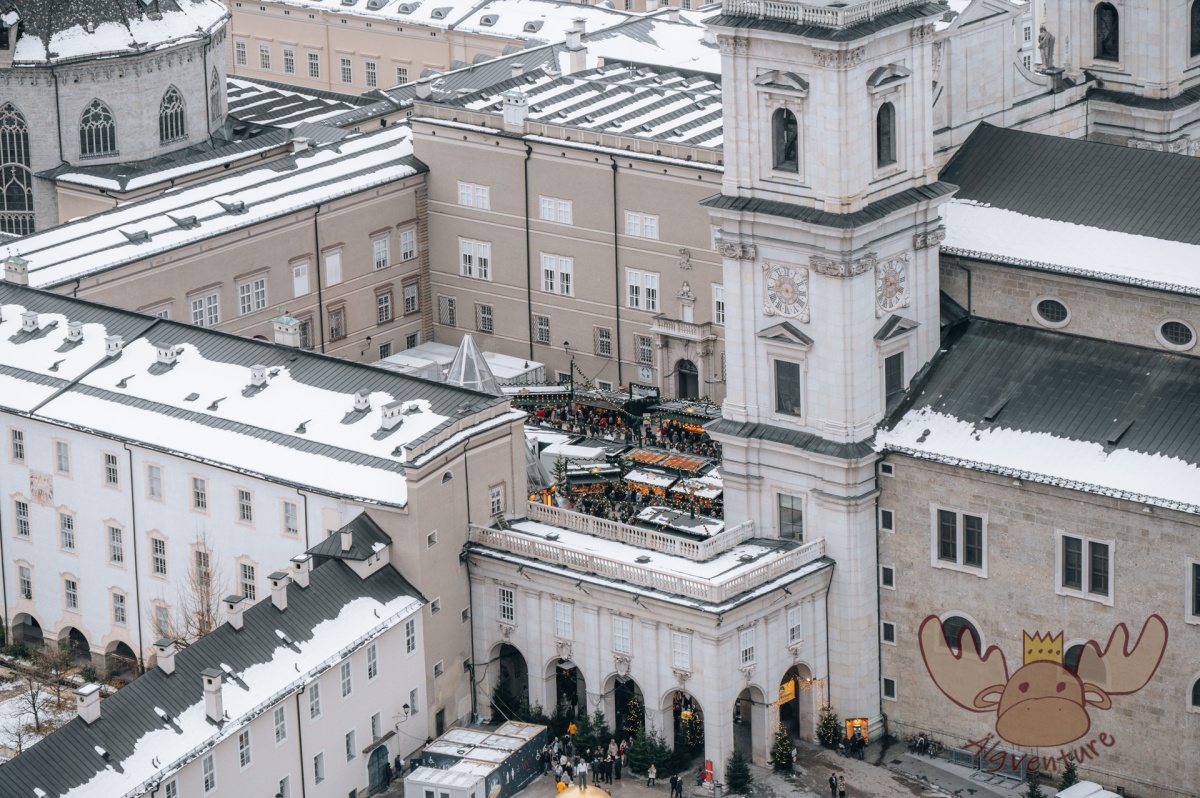
One weekend, four different Christmas markets – an exploration tour through the Austrian Christmas market tradition
The Christmas season is just around the corner and the various Advent markets want to get visitors into the Christmas spirit with their offerings. We’ll take you on our exploration tour to the most diverse representatives of Austrian Christmas market culture.
Etwas ist schiefgegangen. Bitte aktualisiere die Seite und/oder versuche es erneut.
 Älgventure