
Everything about the whale in the whale capital of Europe.
Älgbert Elgson

Dieser Artikel ist auch in Deutsch verfügbar.
If you like whales, Húsavík is the place to be. This small fishing village with 2,300 inhabitants, an impressive view of the Kinnarfjöll mountains beyond Skjálfandi Bay, easy hikes through varied landscapes and one of the most beautiful wooden churches in Iceland is considered the whale capital of Europe due to a whale-watching success rate of 97% over the last 30 years.
It was therefore only natural that a unique museum should be dedicated to the largest mammal in this whale capital. On 1400m², divided into two floors, visitors can learn interesting facts about these impressive animals, but also about the significance and history of whaling in Iceland, as well as the resulting necessity to protect the whales.
The museum has a total of eleven whale skeletons on exhibit, all of which, with the exception of a narwhal that was donated to the museum by Greenland, died a natural death. As did the largest skeleton in the collection – a 25-metre-long female blue whale that beached itself in Ásbúðir in 2010. There are only a handful of these blue whale skeletons on full-size display in the world.

The trail of history
The museum was established in 1997 on the initiative of Húsavík residents and initially found its first home in a small room in a local hotel. But it soon became clear that larger premises were needed due to the high level of interest.
Since 1998, the Húsavík Whale Museum has conducted independent research to learn more about the whales of Skjálfandi Bay. For the research, which includes photo-identification, diving time and habitat studies, the museum uses whale-watching boats in cooperation with whale-watching operators from Húsavík to collect data on whales and dolphins. In this way, every single visitor supports the research to get more information about these impressive animals and to be able to protect them in the best possible way.
In 2007, the research centre of the University of Iceland was founded in Húsavík and since then the research has been managed and supported by it. Researchers from all over the world travel to Iceland to take advantage of the unique opportunity to study the animals.

Húsavík | In der liebevoll handgemalten Landkarte Islands sind alle wichtigen Sehenswürdigkeiten Islands verzeichnet. – All of Iceland’s important sights are listed on the lovingly hand-painted map of Iceland. 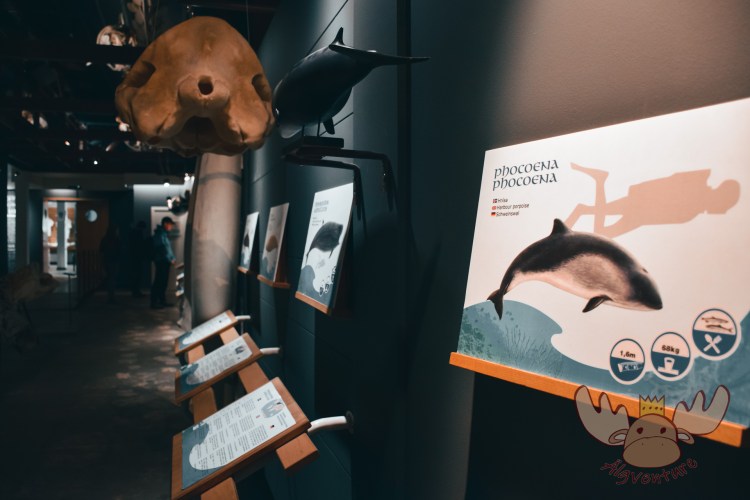
Húsavík | Die Informationstafeln des Museums sind in Isländisch, Englisch und Deutsch beschrieben. – The museum’s information boards are described in Icelandic, English and German. 
Húsavík | Im Museum werden die Unterschiede und Gemeinsamkeiten der Wal- und Delfinarten den Besuchern näher gebracht. – In the museum, the differences and similarities between whale and dolphin species are explained to visitors. 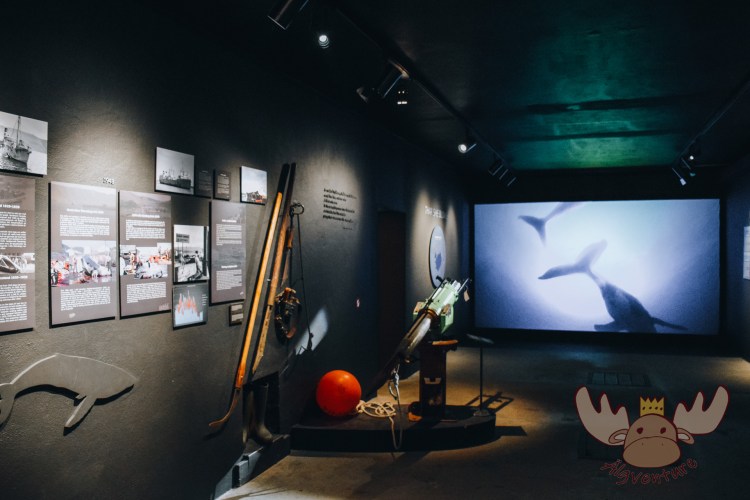
Húsavík | Das Walmuseum erzählt auch vom einst wichtigen Industriezweig des Walfangs auf Island. – The Whale Museum also tells of the once important whaling industry in Iceland. 
Húsavík | Gemütlich eingerichtete Ecke um die vielen neuen Informationen über Wale in Ruhe verarbeiten zu können. – Comfortably furnished corner to be able to process all the new information about whales in peace. 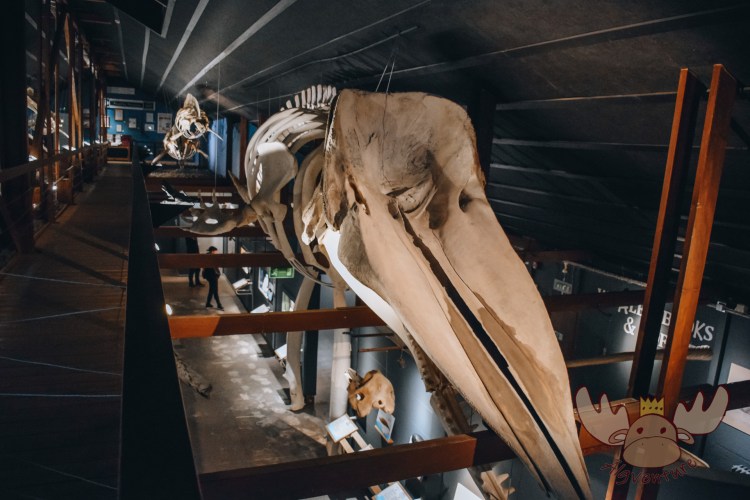
Húsavík | Insgesamt befinden sich elf vollständige Walskelette im Museum. – There are a total of eleven complete whale skeletons in the museum. 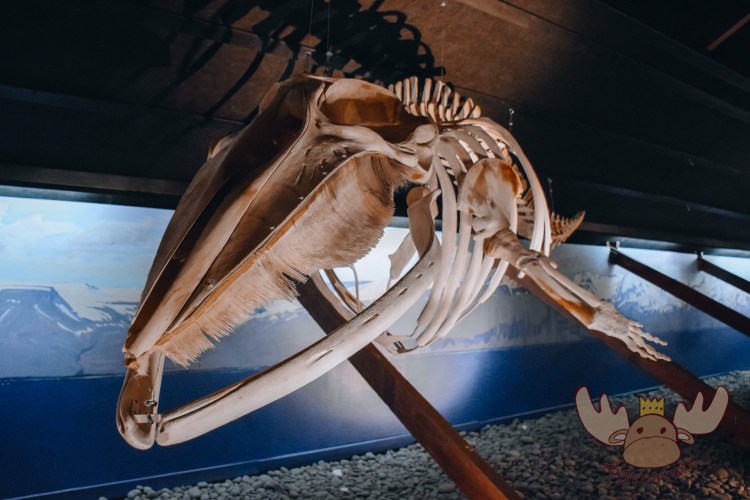
Húsavík | Alle Tiere fanden einen natürlichen Tod und wurden entweder auf Island gefunden oder sind durch Schenkungen in den Besitz des Museums gelangt. – All animals died naturally and were either found on Iceland or came into the museum’s possession through donations. 
Húsavík | Die ausgestellten Skelette stammen von Walarten, die in den Gewässern Islands vorkommen. – The skeletons on display come from whale species that occur in the waters of Iceland.
Useful Information
Due to Iceland’s topography, the best place to watch whales is in the whale capital of Iceland, because here the separation of the continental plates runs right through the fjord and bay off Húsavík. The volcanic activity favours the feeding grounds, which in turn attracts a particularly large number of whales.
There are several whale tour operators in Húsavík, but it is also possible to book these boat tours elsewhere in Iceland. If the trip is very tightly scheduled and there is no time left to make a detour to Húsavík, there are great whale watching opportunities in Akureyri, the second largest town in Iceland, through which the ring road also passes directly. On one of our exploratory tours of Iceland, we chose a provider in this area. However, we do not recommend starting directly from Akureyri, but rather choosing one of the operators further out of the Eyjafjördur fjord, as the whales tend to stay closer to the sea. The gentle giants rarely move to the end of the fjord in their search for food.

It is also possible to book whale-watching tours from the capital Reykjavik. However, this should only be considered if there is really no time to travel to the north of Iceland and you still want to take part in this unique experience. On the west coast of Iceland, only the smaller whale species such as minke and humpback whales are likely to be seen, as the larger whale species tend to be on the north coast.
Alternatively, but by no means as a compromise, whales can also be seen on the Westfjords. Sometimes they can even be seen from the shore. Whale watching tours can be started here from Ísafjörður.
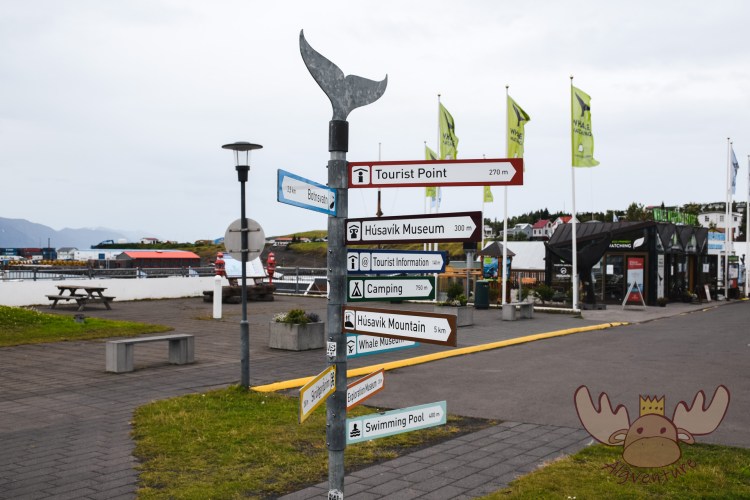
Húsavík | Der Wegweiser zu allen wichtigen Sehenswürdigkeiten des kleinen Fischerortes. – The guide to all the important sights of the small fishing town. 
Húsavík | Die Holzkirche von Húsavík zählt zu den schönsten Islands und ist eines der meistfotografiertesten Gebäude des Landes. – The wooden church of Húsavík is one of the most beautiful in Iceland and one of the most photographed buildings in the country. 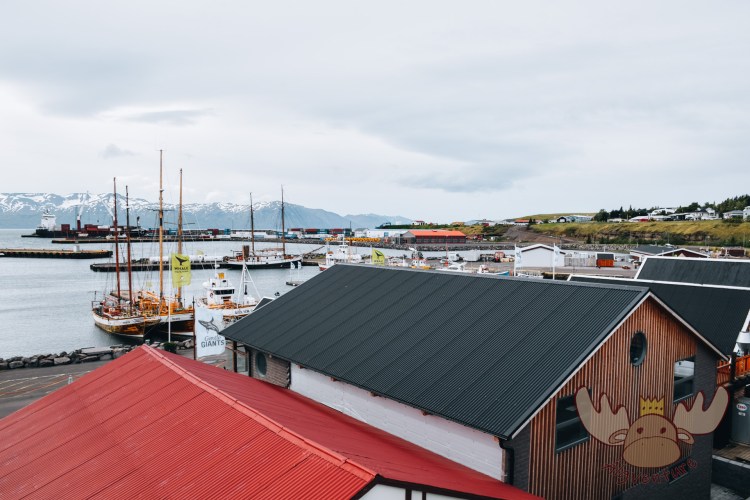
Húsavík | Wo sich einst viele Walfangschiffe im Hafen von Húsavík tummelten, liegen heute hauptsächlich kleinere Fischerboote und Ausflugsschiffe. – Where there were once many whaling ships in the harbor of Húsavík, today there are mainly smaller fishing boats and excursion ships.
How to get there?
Húsavík is about 460km or just under six hours‘ drive from Reykjavik. Therefore, it is unfortunately not possible to make a day trip from the Icelandic capital to the capital of whales. Unless you want to get up particularly early for that.
From Akureyri, Iceland’s second largest city, Húsavík is only about 75 kilometres or an hour’s drive away. We recommend making a stop in Akureyri anyway when exploring Iceland, as the town is perfect as a starting point to very many sights in Norðurland, the north of Iceland.
The Húsavík Whale Museum is very centrally located at the harbour. There are several car parks throughout the town.
At the Húsavík primary school there are several large car parks that can also be used by motorhomes, but you should consider the residents when choosing a parking space. Here you also have the opportunity to get to know the centre of Húsavík on foot on the way to the whale museum.
Conclusion
If you want to learn more about whales, you’ve come to the right place. The exhibition provides visitors with interesting information about the gentle giants of the sea. The cultural and economic connections to the animals, as well as the importance of protection, are also explained in an understandable way in the museum and the importance is pointed out.
The museum is definitely worth a visit.


The South of the North – A travel report
It was that time again – we were embarking on a new adventure. After our stay with the Queen in London a few weeks earlier, we were drawn out into the world again to explore it. Many blank spots on our travel map are just waiting to be discovered by us. The general direction of…


Sunset on the Dachstein – Dinner in the Austrian Alps
The Dachstein: The jewel of the Alps attracts nature lovers and adventure seekers alike. Experience the breathtaking beauty of the Alpine landscape, from rugged rock faces to glittering glaciers. Whether you are an experienced mountaineer or a leisurely hiker – the Dachstein has something for everyone. Via ferratas, summit tours or leisurely hikes: everyone will…
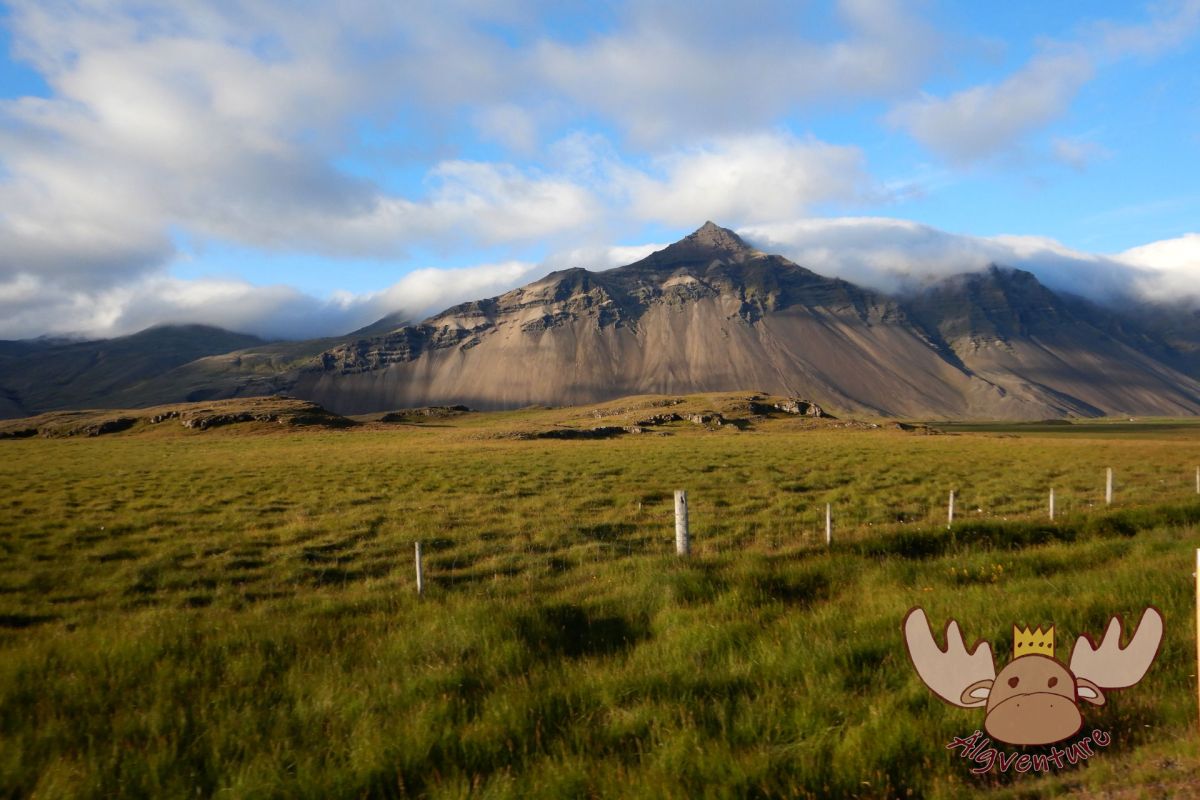
In search of elves and banana plantations – A trip to Iceland
Imagine standing on the edge of a gurgling geyser while steam fogs up your glasses. Or hiking through a lunar landscape of black sand, framed by snow-capped peaks. Sound like an adventure? Iceland is just that and much more!
Join me on my adventure to Denmark, Iceland and the Faroe Islands.
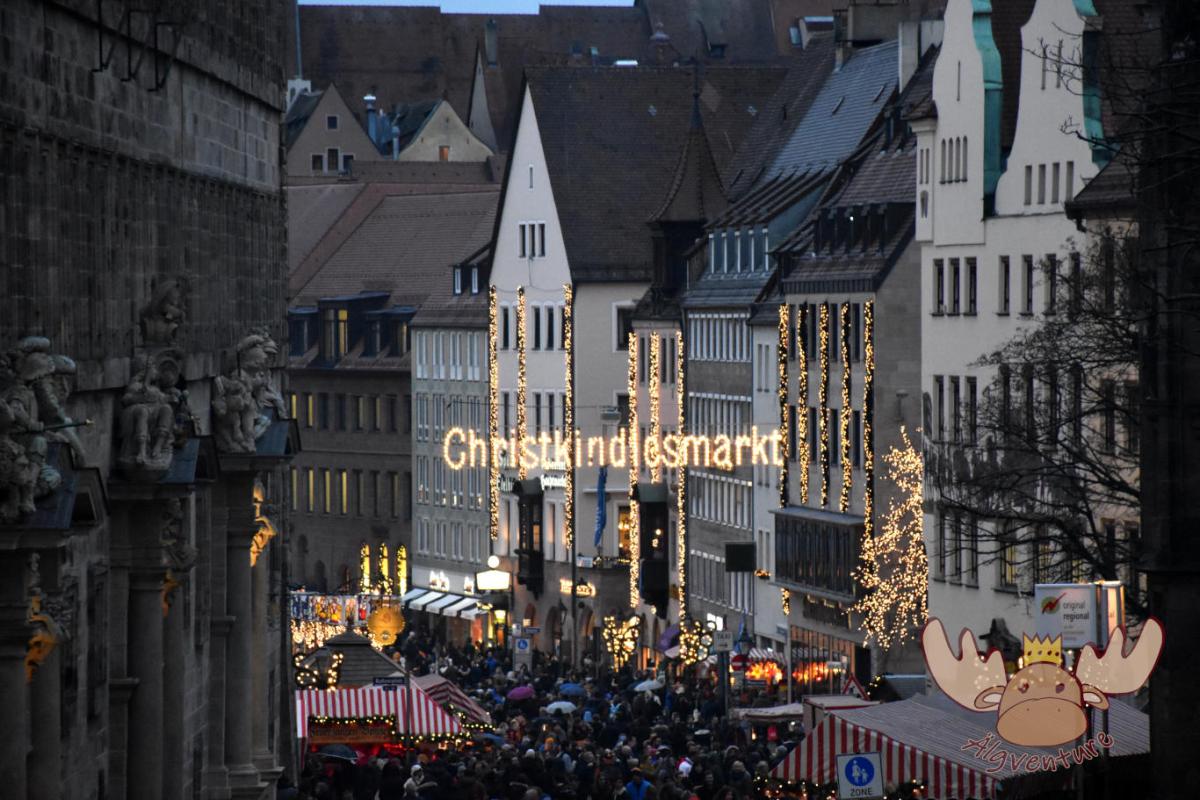
Christkindlesmarkt Nuremberg
Almost everyone has heard of him and many have seen him too. The Nuremberg Christmas market is one of the largest in Germany and we tell you about our visit.
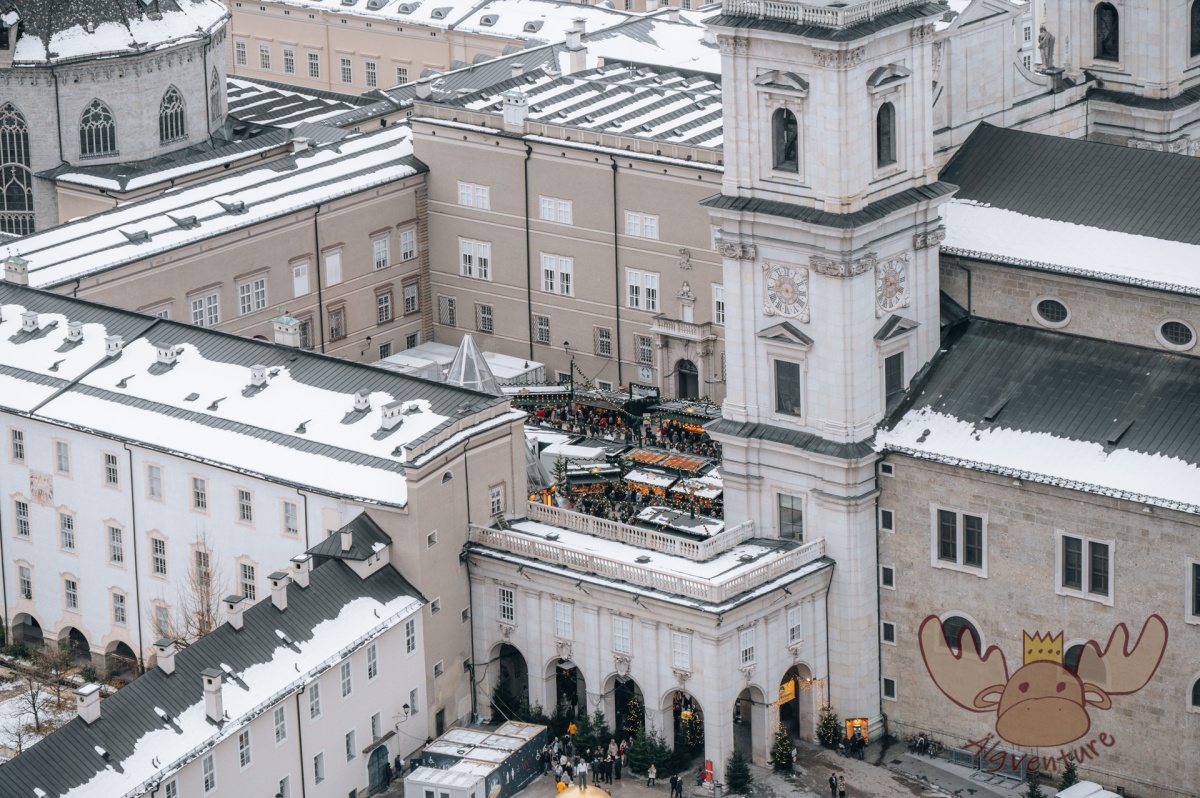
One weekend, four different Christmas markets – an exploration tour through the Austrian Christmas market tradition
The Christmas season is just around the corner and the various Advent markets want to get visitors into the Christmas spirit with their offerings. We’ll take you on our exploration tour to the most diverse representatives of Austrian Christmas market culture.
Etwas ist schiefgegangen. Bitte aktualisiere die Seite und/oder versuche es erneut.
 Älgventure